AI

From Vision to Venture – How AI Empowers Entrepreneurs to Realize Dreams

As you launch on your entrepreneurial journey, you’re likely to encounter numerous challenges that can hinder your progress. However, with the advent of Artificial Intelligence (AI), you now have a powerful tool to turn your vision into a successful venture. You can leverage AI to streamline operations, enhance decision-making, and drive innovation, ultimately bringing your business ideas to life. By harnessing the potential of AI, you can overcome obstacles and achieve your goals more efficiently, making your entrepreneurial dreams a reality.

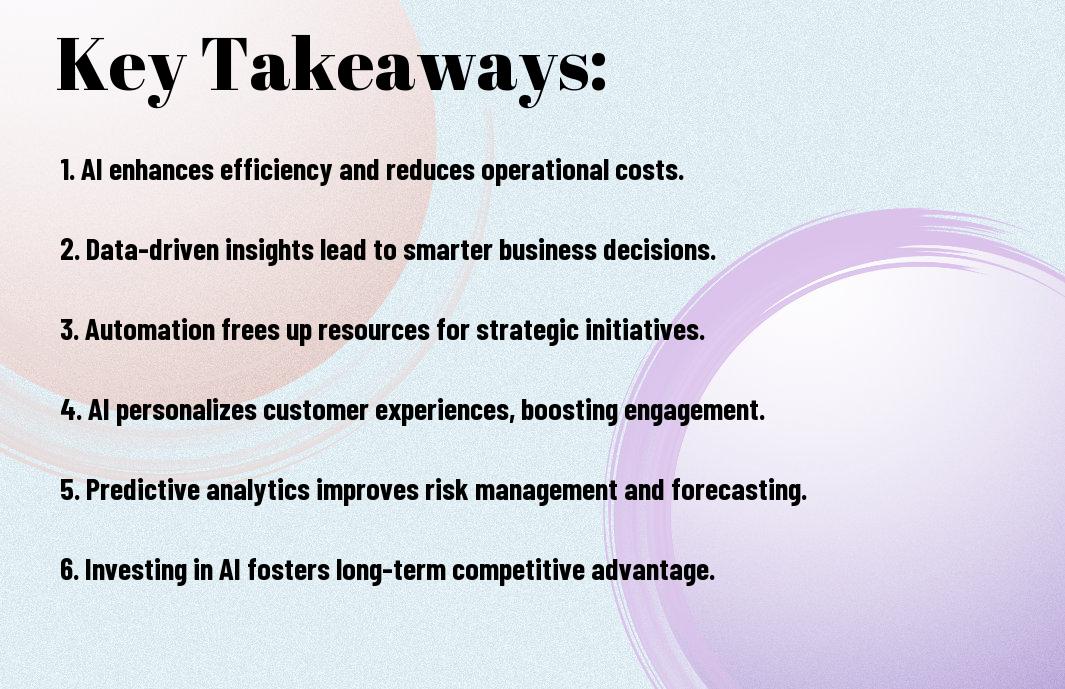
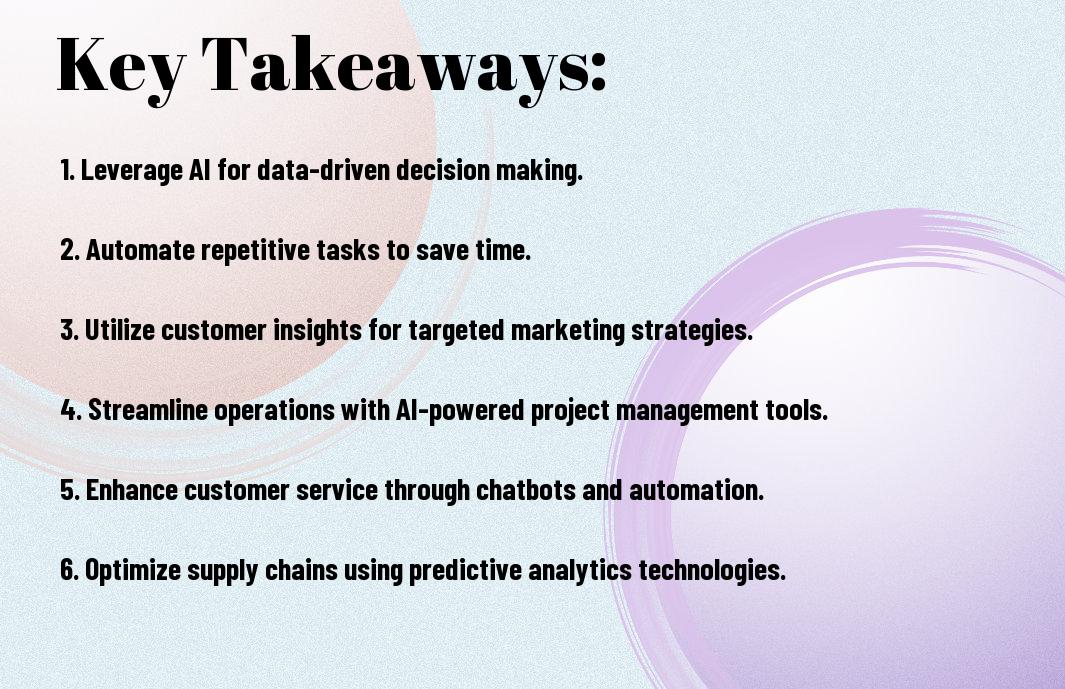
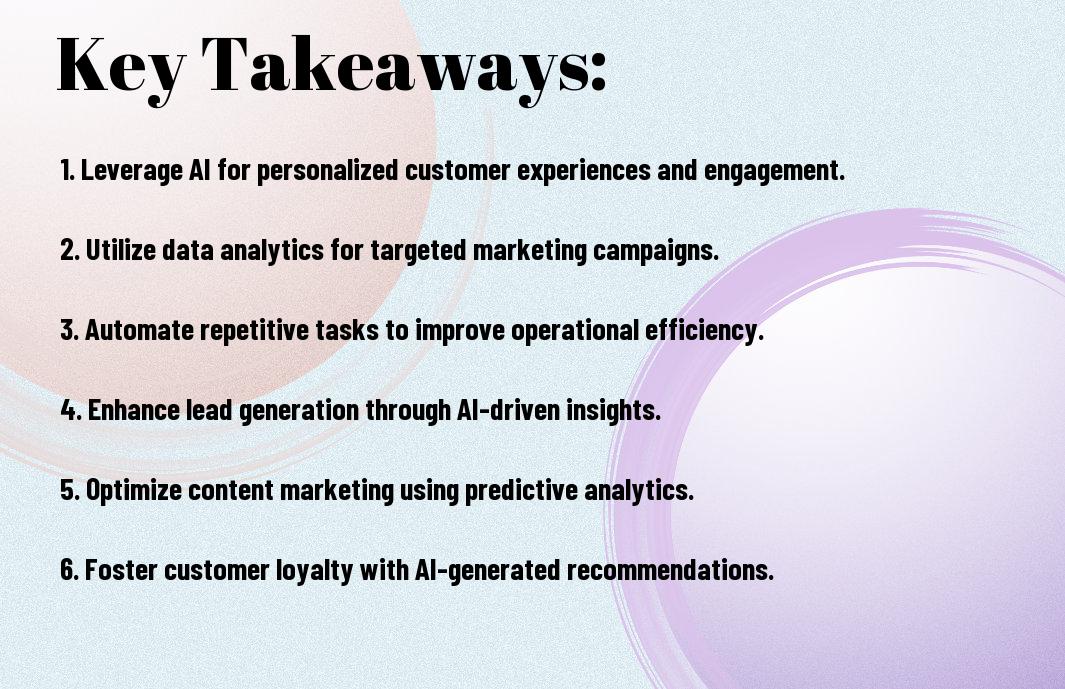
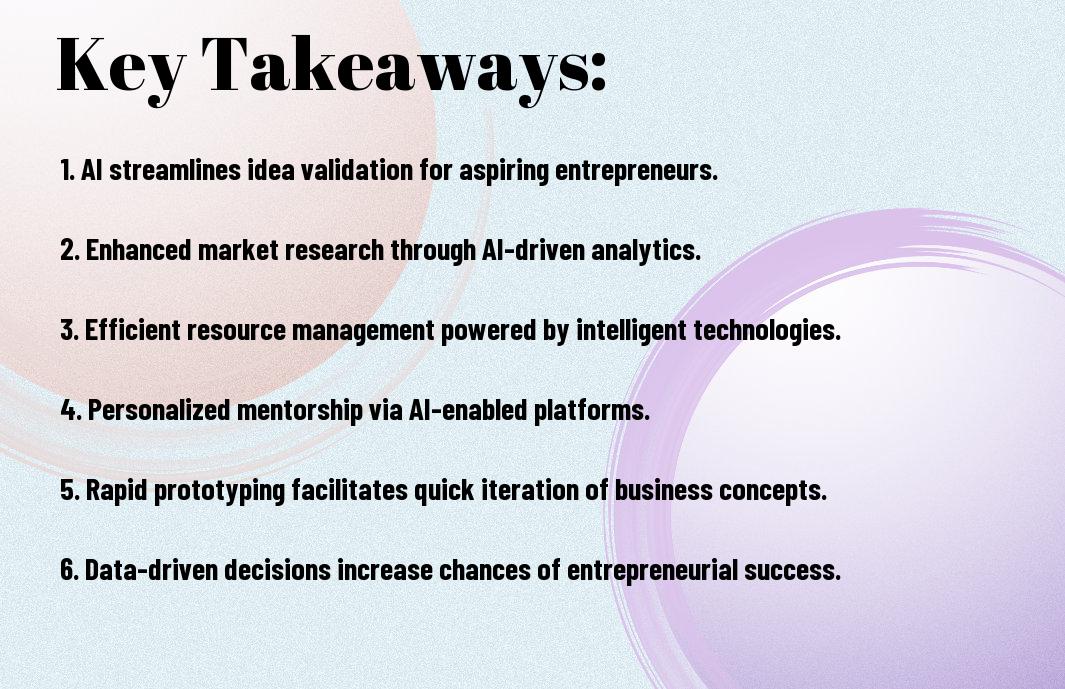
Key Takeaways:

  • AI technology provides entrepreneurs with the tools to turn their vision into a viable business venture by automating tasks, analyzing data, and optimizing operations, allowing them to focus on strategy and growth.
  • Entrepreneurs can leverage AI to identify new market opportunities, predict consumer behavior, and develop innovative products and services that meet the evolving needs of their target audience.
  • AI-powered tools enable entrepreneurs to streamline their workflow, reduce costs, and increase efficiency, giving them a competitive edge in the market and allowing them to scale their business more quickly.
  • By embracing AI, entrepreneurs can gain valuable insights into their business performance, make data-driven decisions, and develop a more agile and responsive organization that is better equipped to adapt to changing market conditions.
  • The integration of AI into business operations also facilitates collaboration and communication among team members, stakeholders, and customers, fostering a more dynamic and innovative entrepreneurial ecosystem.
    The Entrepreneurial Mind in the Age of AI

    A midst the rapid evolution of technology, you are poised to leverage AI in transforming your entrepreneurial vision into a successful venture, unlocking new avenues for growth and innovation.

    Recognizing Opportunities Through Data

    One of the key benefits of AI is its ability to analyze vast amounts of data, allowing you to identify patterns and trends that can inform your business decisions and help you stay ahead of the competition.

    Breaking Barriers to Entry

    Through the power of AI, you can now access tools and resources that were previously out of reach, enabling you to launch and grow your business more efficiently and effectively.

    Hence, as you explore the possibilities of AI in your entrepreneurial journey, you will find that it not only helps you navigate the complex landscape of modern business but also empowers you to turn your vision into a tangible, thriving venture, by providing you with the insights and capabilities needed to make informed decisions and drive innovation.

    AI Tools Transforming Business Creation

    If you’re an entrepreneur, you know how challenging it can be to turn your vision into a successful venture. AI tools are revolutionizing the business creation process, empowering you to bring your ideas to life.

    Ideation and Market Research

    Any aspiring entrepreneur knows that a good idea is just the starting point. You can leverage AI-powered tools to analyze market trends, identify gaps, and refine your concept to meet the needs of your target audience.

    Prototype Development and Testing

    With AI-driven design and testing tools, you can quickly create and refine your prototype, validating your assumptions and gathering feedback from potential customers to inform your product development.

    Market forces are constantly evolving, and your prototype must be able to adapt to these changes. As you test and refine your prototype, you’ll be able to make data-driven decisions, ensuring that your final product meets the needs of your target market, and you can launch your venture with confidence, knowing that you’ve created a product that resonates with your audience.

    Financial Intelligence and Resource Allocation

    Once again, AI proves to be a game-changer, enabling you to make informed decisions about your venture’s financials, from budgeting to forecasting, and allocating resources effectively to drive growth.

    AI-Driven Investment Strategies

    AIDriven investment approaches help you analyze market trends, assess risks, and identify opportunities, allowing you to make smart investment decisions that propel your venture forward.

    Cost Optimization and Prediction

    AIDriven technologies enable you to predict and optimize costs, streamlining your operations and maximizing your returns, giving you a competitive edge in the market.

    Even with the most well-planned budget, unexpected expenses can arise, but with AI-powered cost optimization and prediction, you can anticipate and mitigate these risks, ensuring your venture stays on track, and you can focus on driving growth and innovation, making the most of your resources and investments.

    Customer Acquisition and Relationship Management

    Your business’s success relies on effective customer acquisition and management, and AI can help you achieve this, as seen in Audos AI: Transforming Ideas into Businesses Faster Than Ever, enabling you to streamline processes and focus on growth.

    Personalized Marketing at Scale

    Around the clock, AI-powered tools can help you tailor your marketing efforts to individual customers, increasing engagement and conversion rates, and allowing you to reach a wider audience with personalized messages.

    Automated Customer Service Solutions

    An important aspect of customer relationship management is providing timely and effective support, which AI-powered chatbots and virtual assistants can help you achieve, freeing up your time to focus on high-value tasks.

    Acquisition of new customers and retention of existing ones can be significantly improved with automated customer service solutions, as you can provide 24/7 support, answer frequent questions, and help customers with basic inquiries, allowing you to build trust and loyalty with your customer base, and ultimately driving business growth and success.

    Scaling with Artificial Intelligence

    All entrepreneurs face challenges when scaling their businesses, but AI can help. You can leverage AI to streamline processes, enhance customer experience, and drive growth. With AI, you can make data-driven decisions, optimize operations, and stay ahead of the competition.

    Operations Management and Automation

    Besides improving efficiency, AI-powered automation enables you to focus on high-value tasks. You can automate routine operations, freeing up resources for strategic planning and innovation, and allowing your business to scale more efficiently.

    Growth Prediction and Strategic Planning

    Artificial intelligence helps you analyze market trends, predict growth, and make informed decisions. You can use AI-driven insights to identify new opportunities, optimize your strategy, and drive business expansion, giving you a competitive edge in the market.

    At this stage, you can utilize AI-powered tools to forecast your business’s growth trajectory, identifying potential roadblocks and opportunities. You can then adjust your strategy to optimize your resources, mitigate risks, and capitalize on emerging trends, ultimately driving your business towards sustained growth and success.

    Ethical Considerations and Human Touch

    Keep in mind that as you commence on your entrepreneurial journey with AI, you must consider the ethical implications of your venture. You will need to balance technology with human values to ensure your business is responsible and sustainable.

    Balancing Automation with Authenticity

    Among the key challenges you will face is maintaining a personal touch in a world of automation. You can achieve this by focusing on the aspects of your business that require human empathy and understanding, allowing you to build strong relationships with your customers.

    Privacy and Transparency in AI-Powered Ventures

    With the increasing use of AI, you must prioritize privacy and transparency in your venture. You need to be open about how you collect and use data, ensuring that your customers trust your business and feel secure in their interactions with you.

    The importance of transparency cannot be overstated, as it directly impacts your reputation and customer loyalty. You should clearly communicate your data collection and usage policies, and provide your customers with control over their personal information, allowing them to make informed decisions about their interactions with your AI-powered venture.

    Conclusion

    With this in mind, you now have the tools to turn your vision into a venture, leveraging AI to empower your entrepreneurial spirit. You can harness AI’s potential to drive innovation, streamline operations, and reach new markets, bringing your dreams to life. Your journey from vision to venture is now more achievable than ever, and with AI by your side, you can overcome challenges and achieve success.

    FAQ

    Q: What role does AI play in empowering entrepreneurs to turn their vision into a successful venture?

    A: AI plays a significant role in empowering entrepreneurs by providing them with advanced tools and technologies that can help them streamline their business operations, make data-driven decisions, and automate repetitive tasks. With AI, entrepreneurs can analyze market trends, identify potential opportunities, and develop innovative solutions to complex problems. By leveraging AI, entrepreneurs can turn their vision into a successful venture by increasing efficiency, reducing costs, and improving customer experiences.

    Q: How can AI help entrepreneurs validate their business ideas and develop a viable business model?

    A: AI can help entrepreneurs validate their business ideas and develop a viable business model by providing them with access to large amounts of data and advanced analytics capabilities. With AI-powered tools, entrepreneurs can conduct market research, analyze customer feedback, and identify potential competitors. AI can also help entrepreneurs simulate different business scenarios, forecast revenue, and predict potential roadblocks. By using AI to validate their business ideas, entrepreneurs can reduce the risk of launching a new venture and increase their chances of success.

    Q: What skills and knowledge do entrepreneurs need to acquire to effectively leverage AI and turn their vision into a successful venture?

    A: To effectively leverage AI and turn their vision into a successful venture, entrepreneurs need to acquire a range of skills and knowledge, including a basic understanding of AI and machine learning concepts, data analysis and interpretation, and programming skills. They also need to stay up-to-date with the latest AI trends and technologies, and be able to identify opportunities to apply AI in their business. Additionally, entrepreneurs need to have a customer-centric mindset, be able to think creatively, and have strong problem-solving skills to effectively leverage AI and drive business success. By acquiring these skills and knowledge, entrepreneurs can unlock the full potential of AI and turn their vision into a successful and sustainable venture.


Digital Disruption – The Wealth-Building Potential of AI in Business

As you navigate the ever-changing business landscape, you’re likely aware of the significant impact artificial intelligence (AI) is having on industries worldwide. You may be wondering how to harness the power of AI to drive growth and increase your wealth. Your business can benefit from AI’s wealth-building potential, and understanding its applications is key to staying ahead of the curve. You will learn how to leverage AI to transform your business and unlock new opportunities for success.

Key Takeaways:

  • Implementing AI in business can significantly enhance operational efficiency, leading to increased productivity and reduced costs, thereby contributing to wealth-building potential.
  • AI-driven technologies, such as machine learning and natural language processing, can analyze vast amounts of data, providing businesses with valuable insights to inform strategic decisions and drive growth.
  • Companies that effectively leverage AI can gain a competitive edge in the market, enabling them to innovate and adapt to changing consumer needs and preferences more quickly than their competitors.
  • Investing in AI can also lead to the creation of new business models and revenue streams, such as AI-powered services and products, which can further drive wealth creation and expansion.
  • As AI continues to evolve, businesses must prioritize ongoing learning and development to ensure they remain at the forefront of this technological shift and maximize the wealth-building potential of AI in their operations.

The Economic Landscape of AI

The economic landscape of AI is rapidly evolving, and you are likely to see significant changes in the way businesses operate. As AI technology advances, you can expect to see new opportunities for growth and development in various industries.

Market Projections and Growth Metrics

About 70% of businesses are expected to adopt AI technology in the next few years, and you will see a significant impact on the global economy. You can anticipate substantial growth in AI-related investments, and your business can benefit from this trend.

Investment Opportunities in the AI Ecosystem

Any investor looking to diversify their portfolio should consider the AI sector, as you can expect high returns on investment. You will find numerous opportunities to invest in AI startups, and your investment can lead to significant wealth creation.

Due to the rapid growth of the AI industry, you will have access to a wide range of investment opportunities, from venture capital funds to individual startups. You can invest in companies that develop AI-powered products, such as chatbots, virtual assistants, and predictive analytics tools, and your investment can lead to substantial wealth creation as these companies grow and expand their operations.

Transformative Business Models

While embracing AI, you can revolutionize your business operations and create new revenue streams, leading to significant wealth-building opportunities, as you explore innovative models that leverage AI’s capabilities.

Subscription-Based AI Services

Alongside traditional models, you can offer subscription-based AI services, providing your customers with ongoing access to AI-powered tools and expertise, generating recurring revenue and fostering long-term relationships.

Data Monetization Strategies

Across various industries, you can develop data monetization strategies, utilizing AI to extract valuable insights from your data and creating new revenue streams, such as data-as-a-service or AI-driven analytics platforms.

Due to the vast amounts of data being generated, you can leverage AI to identify patterns, trends, and correlations, and then use this information to create targeted products, services, or experiences, ultimately driving business growth and increasing your wealth-building potential, as you capitalize on the power of data-driven decision making.

Revenue Acceleration Through AI

Once again, you can leverage AI to boost your business’s revenue by streamlining processes and enhancing customer experiences, ultimately leading to increased profitability and competitiveness in the market.

Customer Acquisition Optimization

By utilizing AI-driven tools, you can optimize your customer acquisition strategies, allowing you to target the right audience and personalize your marketing efforts, resulting in higher conversion rates and improved brand loyalty.

Operational Efficiency Gains

Revenue growth can also be achieved through AI-driven operational efficiency gains, as you can automate routine tasks, reduce costs, and enhance productivity, freeing up resources to focus on high-value activities.

At the heart of operational efficiency gains is the ability to analyze vast amounts of data, identify areas of improvement, and implement AI-driven solutions to optimize your business processes, enabling you to make data-driven decisions and stay ahead of the competition, thereby driving your business forward and increasing your revenue potential.

Risk Management and AI Implementation

Unlike traditional business strategies, AI implementation requires a unique approach to risk management, as you navigate the complexities of integrating machine learning and automation into your operations. You must consider the potential risks and rewards of AI adoption, weighing the benefits of increased efficiency and innovation against potential drawbacks, such as job displacement and data security threats.

Initial Investment Considerations

Against the backdrop of rapidly evolving AI technologies, you should carefully evaluate your initial investment in AI, considering the potential return on investment and the resources required to implement and maintain AI systems, as you make informed decisions about how to allocate your budget and prioritize your AI initiatives.

Regulatory Navigation

Around the globe, regulatory frameworks are emerging to govern the development and deployment of AI, and you must stay informed about these developments, as you navigate the complex landscape of AI regulations and ensure that your business is compliant with relevant laws and standards.

At the heart of regulatory navigation is the need to balance innovation with responsibility, as you ensure that your AI systems are transparent, accountable, and aligned with ethical principles, and you should prioritize ongoing monitoring and adaptation to stay ahead of the curve, as regulatory requirements continue to evolve and shape the AI landscape, impacting your business and your customers.

Competitive Advantage Metrics

All businesses strive to stay ahead of the competition, and you can achieve this by leveraging AI to enhance your operations. You can learn more about wealth-building strategies through technology ownership by checking out 10 Wealth-Building Strategies Through Technology Ownership for Executives and Entrepreneurs.

Speed-to-Market Improvements

Taking a proactive approach to implementing AI solutions enables you to accelerate your time-to-market, allowing your business to adapt quickly to changing market conditions and stay competitive.

Innovation Capacity Expansion

Competitively, you need to continuously innovate to stay ahead, and AI can help you expand your innovation capacity, enabling your business to explore new opportunities and develop innovative products and services.

Innovation is key to driving business growth, and by expanding your innovation capacity through AI, you can unlock new revenue streams, improve customer experience, and enhance your overall competitiveness, allowing you to make informed decisions about your business and stay ahead of the curve.

Wealth Creation Case Examples

Many businesses have harnessed the power of AI to create unprecedented wealth, and you can learn from their examples to inform your own strategy. By examining successful case studies, you can gain insights into the potential of AI to drive growth and profitability in your own organization.

Startup Valuation Explosions

Following the integration of AI, you may witness significant increases in valuation, as startups that leverage AI tend to attract substantial investments and attention from the market, leading to rapid growth and increased value.

Enterprise Value Multiplication

Explosive growth is often seen in enterprises that successfully implement AI, as you can experience a multiplication of your enterprise’s value through increased efficiency, improved decision-making, and enhanced customer experiences.

Case studies of companies that have achieved remarkable success through AI adoption demonstrate the potential for significant returns on investment, and as you explore these examples, you will see how AI can be a key driver of growth and profitability in your own business, enabling you to make informed decisions about your AI strategy and investments.

Final Words

Ultimately, you now understand the wealth-building potential of AI in business, and your ability to harness it will be key to your success. You can leverage AI to drive innovation, optimize operations, and create new revenue streams. As you move forward, your strategic use of AI will be necessary in staying ahead of the competition and achieving your business goals. You are poised to unlock new opportunities and drive growth, and your future in the digital landscape looks promising.

FAQ

Q: What is digital disruption and how is it related to AI in business?

A: Digital disruption refers to the transformation of traditional business models and processes through the adoption of digital technologies, including Artificial Intelligence (AI). AI has the potential to disrupt various industries by automating tasks, enhancing decision-making, and creating new revenue streams. As businesses leverage AI, they can improve operational efficiency, reduce costs, and develop innovative products and services, ultimately leading to increased competitiveness and wealth-building opportunities.

Q: How can businesses harness the wealth-building potential of AI?

A: To harness the wealth-building potential of AI, businesses should focus on identifying areas where AI can add significant value, such as process automation, predictive analytics, and customer service enhancement. They should also invest in AI talent, develop a robust data infrastructure, and foster a culture of innovation and experimentation. Additionally, businesses should prioritize AI ethics and transparency to ensure that AI systems are fair, accountable, and aligned with their values and goals. By taking a strategic and responsible approach to AI adoption, businesses can unlock new revenue streams, improve profitability, and drive long-term growth.

Q: What are the potential risks and challenges associated with AI adoption in business, and how can they be mitigated?

A: The potential risks and challenges associated with AI adoption in business include job displacement, data privacy concerns, and algorithmic bias. To mitigate these risks, businesses should prioritize AI education and training for their workforce, ensuring that employees have the skills to work effectively with AI systems. They should also implement robust data governance and security measures to protect sensitive information and prevent data breaches. Furthermore, businesses should establish clear guidelines and protocols for AI development and deployment, including regular auditing and testing to detect and address potential biases and errors. By being aware of these risks and taking proactive steps to address them, businesses can minimize the potential downsides of AI adoption and maximize its wealth-building potential.

Scaling Smarter – AI Tools That Help Entrepreneurs Expand Efficiently

As you look to expand your business, you need to work efficiently to achieve your goals. You require tools that can help you streamline processes, enhance productivity, and make informed decisions. With the advent of artificial intelligence (AI), you now have access to innovative solutions that can take your business to the next level. You can leverage AI tools to optimize your operations, allowing you to scale your business smarter and faster, and stay ahead of the competition.

Key Takeaways:

  • AI tools can significantly enhance the efficiency of entrepreneurs by automating repetitive tasks, allowing them to focus on high-level decision-making and strategy development.
  • Implementing AI-powered project management tools helps streamline operations, improve collaboration, and increase productivity, making it easier for entrepreneurs to scale their businesses.
  • AI-driven analytics and data insights provide entrepreneurs with actionable information to inform their expansion plans, identify potential bottlenecks, and make data-driven decisions.
  • AI-powered customer service tools enable entrepreneurs to offer 24/7 support, personalize customer interactions, and improve overall customer satisfaction, which is important for sustainable growth.
  • By leveraging AI tools, entrepreneurs can reduce the risks associated with scaling, such as burnout and decreased quality, and instead focus on driving innovation, improving processes, and achieving long-term success.

    The Automation Revolution

    Before stepping into the world of AI tools, you need to understand the impact of automation on your business. You will be able to streamline processes, reduce costs, and increase efficiency, allowing you to focus on growth and expansion.

    Identifying Repetitive Tasks

    Prior to implementing AI solutions, you should identify areas where automation can make a significant difference. You will need to analyze your workflow and pinpoint tasks that are repetitive, time-consuming, and prone to errors, making them ideal candidates for automation.

    AI-Powered Workflow Solutions

    Along with the rise of automation, you now have access to AI-powered workflow solutions that can transform your business. You can leverage these tools to automate tasks, manage workflows, and make data-driven decisions, giving you a competitive edge in the market.

    Revolutionizing your workflow with AI-powered solutions can have a significant impact on your business. You can automate tasks such as data entry, customer service, and bookkeeping, freeing up time and resources for more strategic activities. As you explore these solutions, you will find that they can help you optimize your workflow, increase productivity, and drive growth, allowing you to scale your business more efficiently and effectively.

    Customer Experience Enhancement

    Even as your business grows, delivering exceptional customer experiences remains vital. You can leverage AI tools to streamline interactions, improve feedback, and enhance overall satisfaction, ultimately driving loyalty and retention.

    AI Chatbots and Support Systems

    About the time you start scaling, AI-powered chatbots and support systems can help you manage increased customer inquiries, providing 24/7 support and freeing up your team to focus on complex issues.

    Personalization at Scale

    Beside traditional methods, AI-driven personalization enables you to tailor experiences to individual customers, analyzing their preferences, behaviors, and purchase history to offer relevant recommendations and offers.

    And as you research deeper into personalization, you’ll find that AI can help you create targeted marketing campaigns, personalized content, and even customized product offerings, allowing you to connect with your customers on a deeper level and build strong, lasting relationships that drive long-term growth and loyalty.

    Data-Driven Decision Making

    Unlike traditional methods, AI tools provide you with accurate and timely data to inform your business decisions, enabling you to scale your business efficiently. You can rely on data-driven insights to optimize your operations, reduce costs, and increase revenue.

    Predictive Analytics Tools

    Behind every successful business is a robust predictive analytics system, helping you forecast market trends and make informed decisions. You can leverage these tools to analyze your data, identify patterns, and predict future outcomes, giving you a competitive edge in the market.

    Pattern Recognition for Market Insights

    Against the backdrop of a rapidly changing market, you need to stay ahead of the curve with pattern recognition tools that provide valuable market insights. You can use these tools to analyze customer behavior, identify trends, and make data-driven decisions to drive your business forward.

    Even with a plethora of data at your disposal, it can be challenging to extract meaningful insights without the right tools. You can use pattern recognition tools to analyze large datasets, identify patterns, and gain a deeper understanding of your target market, enabling you to develop targeted marketing strategies and improve your overall business performance. By leveraging these tools, you can make informed decisions, drive business growth, and stay competitive in a rapidly evolving market.

    Financial Management Tools

    Many entrepreneurs struggle to manage their finances as their business grows. You can find helpful resources, such as How I’m Scaling My Business with AI: The Exact Tools, and Tactics I’m Using, to learn more about scaling your business with AI.

    AI Accounting Solutions

    Between managing invoices, expenses, and taxes, accounting can be overwhelming. You can use AI-powered accounting tools to streamline your financial management and make informed decisions about your business.

    Cash Flow Optimization Systems

    Systems like automated invoicing and payment tracking can help you stay on top of your cash flow. You can use these systems to identify areas where you can improve your financial efficiency and make data-driven decisions.

    Cash flow is the lifeblood of any business, and optimizing it is imperative for scaling efficiently. You can use cash flow optimization systems to forecast your future cash flow, identify potential bottlenecks, and make adjustments to ensure your business stays financially healthy. By leveraging these systems, you can focus on growing your business without worrying about cash flow constraints.

    Marketing Amplification

    Your marketing strategy is the backbone of your business expansion, and with the right AI tools, you can amplify your reach and engagement, ultimately driving more sales and revenue.

    Content Generation Tools

    Any entrepreneur knows that creating high-quality content is time-consuming, but with AI-powered content generation tools, you can streamline your content creation process, producing engaging and relevant content that resonates with your target audience.

    Campaign Optimization Algorithms

    Around the clock, AI-powered campaign optimization algorithms can analyze your marketing data, identifying areas of improvement and providing actionable insights to optimize your campaigns for better performance and ROI.

    But as you explore deeper into campaign optimization algorithms, you’ll discover that they can do more than just analyze data – they can predict customer behavior, identify new opportunities, and even automate routine tasks, freeing up your time to focus on high-level strategy and creative direction, allowing you to make data-driven decisions that drive your business forward.

    Team Productivity Boosters

    To scale your business efficiently, you need to boost your team’s productivity. This can be achieved by leveraging AI tools that streamline workflows, automate tasks, and enhance collaboration.

    AI Project Management

    Besides manual project management, you can utilize AI-powered tools to track progress, set deadlines, and allocate tasks to team members, making your project management more efficient and effective.

    Communication Enhancement Tools

    Along with project management, AI-powered communication tools can help you stay connected with your team, share information, and facilitate feedback, ensuring everyone is on the same page.

    To get the most out of communication enhancement tools, you can use them to set up virtual meetings, share files, and collaborate on documents in real-time, allowing you to work seamlessly with your team, regardless of location, and make informed decisions to drive your business forward.

    Conclusion

    Conclusively, you now have the knowledge to leverage AI tools to expand your business efficiently. You can utilize these tools to streamline your operations, enhance productivity, and make data-driven decisions. By implementing AI solutions, you will be able to scale your business smarter, driving growth and increasing your competitive edge. Your ability to adapt and innovate with AI will ultimately determine your success in today’s fast-paced entrepreneurial landscape.

    FAQ

    Q: What are the benefits of using AI tools for scaling a business, and how can they help entrepreneurs expand efficiently?

    A: AI tools can help entrepreneurs expand their businesses efficiently by automating repetitive tasks, providing data-driven insights, and enhancing customer experiences. With AI-powered solutions, entrepreneurs can streamline operations, make informed decisions, and allocate resources more effectively, ultimately leading to increased productivity and revenue growth. By leveraging AI tools, entrepreneurs can focus on high-level strategy and innovation, rather than getting bogged down in manual tasks, allowing them to scale their businesses smarter and faster.

    Q: How can AI tools help entrepreneurs identify and mitigate potential risks associated with scaling a business?

    A: AI tools can help entrepreneurs identify potential risks associated with scaling a business by analyzing large datasets, detecting patterns, and predicting outcomes. These tools can monitor market trends, customer behavior, and operational performance in real-time, enabling entrepreneurs to anticipate and address potential issues before they become major problems. Additionally, AI-powered risk management systems can provide entrepreneurs with data-driven recommendations and alerts, allowing them to take proactive measures to mitigate risks and ensure a smoother scaling process.

    Q: What types of AI tools are available to help entrepreneurs scale their businesses, and how can they be integrated into existing operations?

    A: There are various types of AI tools available to help entrepreneurs scale their businesses, including marketing automation platforms, customer service chatbots, predictive analytics software, and project management tools. These AI-powered solutions can be integrated into existing operations through APIs, software integrations, or cloud-based platforms. Entrepreneurs can start by identifying areas of their business that can be optimized with AI, and then select the tools that best fit their needs and goals. Many AI tools also offer user-friendly interfaces and customizable workflows, making it easier for entrepreneurs to get started and scale their businesses efficiently.

Data-Driven Growth – AI Fueling Entrepreneurial Success Stories

As you navigate the ever-evolving landscape of entrepreneurship, you’re likely aware of the significant impact data-driven decision making can have on your business. Your ability to leverage artificial intelligence (AI) can be a key differentiator, driving growth and setting you apart from competitors. By harnessing the power of AI, you can unlock new insights, optimize operations, and propel your venture forward, ultimately achieving unparalleled success in your industry.

Key Takeaways:

  • Data-driven growth is a key factor in entrepreneurial success, with AI playing a significant role in informing business decisions and driving innovation, leading to increased efficiency and competitiveness.
  • AI-powered analytics enable entrepreneurs to gain valuable insights from large datasets, identifying trends and patterns that can inform product development, marketing strategies, and customer engagement initiatives.
  • By leveraging AI and machine learning, entrepreneurs can automate routine tasks, streamline operations, and free up resources to focus on high-value activities such as strategy, innovation, and customer relationships.
  • AI-driven personalization is a key driver of customer engagement and loyalty, allowing entrepreneurs to tailor their offerings and experiences to individual preferences and behaviors, resulting in increased satisfaction and retention.
  • Entrepreneurs who effectively harness the power of AI and data analytics can create significant competitive advantages, driving business growth, and achieving long-term success in an increasingly data-driven marketplace.

The AI Revolution in Business

While the concept of artificial intelligence (AI) has been around for decades, its application in business has only recently started to gain traction. You are now seeing AI being used to drive growth, improve efficiency, and inform decision-making in various industries.

From Big Data to Smart Data

Revolutionizing the way you approach data, the shift from big data to smart data is enabling businesses to make more informed decisions. You can now leverage AI to analyze vast amounts of data and extract valuable insights that drive your business forward.

Democratization of Advanced Analytics

With the advancement of AI, you have access to a wide range of tools and technologies that make advanced analytics more accessible. Consider the following benefits:

  1. Automated data processing
  2. Predictive modeling

Key Features of Advanced Analytics

Feature Description
Machine Learning Enables systems to learn from data
Natural Language Processing Allows for human-computer interaction

You can now use these features to drive your business forward and make data-driven decisions.

Also, as you probe deeper into the world of advanced analytics, you will discover more ways to leverage AI for your business. Consider the following advantages:

  1. Improved accuracy
  2. Enhanced customer experience

Benefits of Advanced Analytics

Benefit Description
Competitive Advantage Stays ahead of the competition
Increased Efficiency Streamlines business processes

You can now use these benefits to drive your business forward and achieve your goals.

Entrepreneurial Decision-Making Transformed

Some of the most successful entrepreneurs are leveraging AI to inform their decision-making processes. You can see the impact for yourself by checking out the findings from 86% of founders report positive impact, HubSpot finds, which highlights the significant role AI plays in driving growth.

Intuition Meets Algorithm

Around the idea that AI enhances your decision-making, you’ll find that your intuition is supported by data-driven insights, allowing you to make more informed choices.

Predictive Power in Market Positioning

With the ability to analyze vast amounts of data, you can better understand your target market and position your business for success, using AI to guide your strategic decisions.

For instance, you can use predictive analytics to forecast market trends, identify new opportunities, and optimize your marketing efforts, giving you a competitive edge in the market and enabling you to make data-driven decisions that drive your business forward.

Customer Acquisition in the AI Era

Despite the rise of digital marketing, acquiring new customers remains a challenge for many entrepreneurs. You can leverage AI to analyze vast amounts of data, identifying patterns and trends that inform your marketing strategies, helping you reach your target audience more effectively.

Behavioral Pattern Recognition

The key to successful customer acquisition lies in understanding your target audience’s behavior. You can use AI-powered tools to recognize patterns in customer interactions, preferences, and purchasing decisions, enabling you to tailor your marketing efforts to their needs.

Personalization at Scale

Behind every successful customer acquisition strategy is a deep understanding of personalization. You can use AI to analyze customer data, creating personalized experiences that resonate with your target audience, driving engagement and conversion.

Behavioral data plays a significant role in personalization at scale, allowing you to create targeted marketing campaigns that speak directly to your customers’ interests and needs. You can use AI to analyze this data, identifying opportunities to upsell, cross-sell, and enhance customer loyalty, ultimately driving your business growth and revenue.

Operational Efficiency Breakthroughs

After implementing AI in your business, you can expect significant improvements in operational efficiency, leading to increased productivity and reduced costs. This is achieved through various means, including automation and optimization of resources.

Automation of Routine Tasks

On the path to operational efficiency, you’ll find that automating routine tasks is a key step, allowing you to focus on more strategic and creative endeavors, and enabling your business to run more smoothly and consistently.

Resource Optimization Systems

An crucial aspect of operational efficiency is the implementation of resource optimization systems, which enable you to allocate your resources more effectively, minimizing waste and maximizing output, and ultimately leading to better decision-making and improved overall performance.

Consequently, as you integrate resource optimization systems into your business, you’ll be able to analyze your operations in greater detail, identifying areas where resources can be better allocated, and making adjustments to optimize your workflows, leading to increased efficiency and productivity, and giving you a competitive edge in the market, allowing you to achieve your business goals more effectively.

Product Development Acceleration

Unlike traditional methods, AI-powered tools can significantly speed up your product development process, enabling you to get your product to market faster and stay ahead of the competition.

Feedback Loops and Iteration

The ability to collect and analyze user feedback is imperative for refining your product, and AI can help you streamline this process, allowing you to make data-driven decisions and iterate on your product more efficiently, ultimately leading to a better user experience for your customers.

AI-Assisted Innovation

The integration of AI in your product development process can lead to groundbreaking innovations, enabling you to identify new opportunities and create unique solutions that meet the evolving needs of your target market, giving you a competitive edge in the industry.

Another significant advantage of AI-assisted innovation is that it allows you to explore new product ideas and concepts that you may not have considered before, helping you to diversify your offerings and expand your business into new areas, which can lead to increased revenue and growth for your company, and you can leverage this technology to stay ahead of the curve and drive your business forward.

Scaling Strategies with Algorithmic Precision

Once again, you find yourself at the forefront of innovation, leveraging AI to drive your entrepreneurial success. With algorithmic precision, you can scale your business efficiently, making data-driven decisions that propel your growth.

Growth Modeling and Forecasting

Above all, you need to understand your business’s growth trajectory, and AI-powered forecasting tools help you do just that. You can analyze your data to identify trends, patterns, and areas of improvement, enabling you to make informed decisions about your business’s future.

Risk Assessment and Mitigation

Any potential risks to your business can be identified and mitigated with the help of AI-driven risk assessment tools. You can analyze your data to identify potential pitfalls and take proactive measures to avoid them, ensuring your business’s stability and success.

Modeling your business’s risk landscape allows you to simulate different scenarios, anticipating potential outcomes and developing strategies to address them. You can use machine learning algorithms to analyze your data, identifying correlations and patterns that may indicate potential risks, and develop targeted mitigation strategies to minimize their impact on your business, ultimately protecting your investments and ensuring your continued growth and success.

Final Words

So, as you initiate on your entrepreneurial journey, you will find that data-driven growth is the key to unlocking your success. With AI by your side, you can make informed decisions, drive innovation, and stay ahead of the competition. By leveraging AI, you can turn your business into a thriving venture, and your success story will be an inspiration to others, as you achieve your goals and take your business to new heights, with data-driven insights guiding your every move.

FAQ

Q: What is Data-Driven Growth and how does it contribute to entrepreneurial success?

A: Data-Driven Growth refers to the process of using data analysis and insights to inform business decisions, drive innovation, and optimize operations. By leveraging data, entrepreneurs can identify new opportunities, mitigate risks, and create personalized experiences for their customers. AI plays a significant role in Data-Driven Growth by providing advanced analytics, predictive modeling, and automation capabilities, enabling entrepreneurs to make informed decisions and stay ahead of the competition. This approach has been instrumental in the success of many entrepreneurial ventures, allowing them to scale efficiently and achieve sustainable growth.

Q: How can AI fuel entrepreneurial success stories, and what are some examples of AI-powered growth strategies?

A: AI can fuel entrepreneurial success stories by providing actionable insights, automating routine tasks, and enhancing customer engagement. For instance, AI-powered chatbots can help entrepreneurs provide 24/7 customer support, while machine learning algorithms can analyze customer behavior and preferences to inform personalized marketing campaigns. Additionally, AI-driven predictive analytics can help entrepreneurs identify new market trends and opportunities, enabling them to make data-driven decisions and stay ahead of the curve. Examples of AI-powered growth strategies include using natural language processing to analyze customer feedback, leveraging computer vision to optimize supply chain operations, and utilizing recommendation engines to drive sales and revenue growth.

Q: What skills and resources do entrepreneurs need to leverage AI for Data-Driven Growth, and how can they get started with implementing AI-powered solutions?

A: To leverage AI for Data-Driven Growth, entrepreneurs need to have a basic understanding of data analysis, machine learning, and AI technologies. They should also have access to relevant data sources, computational resources, and AI-powered tools and platforms. Additionally, entrepreneurs should be willing to experiment, learn from failures, and continuously adapt to changing market conditions. To get started, entrepreneurs can explore cloud-based AI services, such as Google Cloud AI Platform or Microsoft Azure Machine Learning, which provide pre-built models, APIs, and development tools. They can also leverage open-source AI frameworks, such as TensorFlow or PyTorch, and collaborate with data scientists, AI researchers, or innovation labs to develop custom AI-powered solutions tailored to their specific business needs.

The Intersection of AI and Marketing – Strategies for Business Expansion

As you navigate the ever-evolving landscape of business, you’re likely aware of the significant impact artificial intelligence (AI) is having on marketing strategies. You’re looking to leverage AI to expand your business, and for good reason – it can help you personalize customer experiences, optimize campaigns, and gain valuable insights. Your ability to harness the power of AI will be key to staying ahead of the competition and driving growth in today’s fast-paced market.

Key Takeaways:

  • The integration of AI in marketing enables businesses to analyze vast amounts of data, providing valuable insights that can inform strategic decisions and drive expansion through personalized customer experiences.
  • AI-powered marketing tools can automate routine tasks, such as data analysis and campaign optimization, allowing marketers to focus on creative and high-value tasks that contribute to business growth.
  • Businesses can leverage AI-driven chatbots and virtual assistants to enhance customer engagement, offering 24/7 support and improving the overall customer journey, which is crucial for building brand loyalty and driving expansion.
  • AI can help marketers predict customer behavior and preferences, enabling them to develop targeted campaigns that resonate with their audience and increase the likelihood of conversion, ultimately contributing to business expansion.
  • As AI continues to evolve, businesses must stay up-to-date with the latest developments and trends in AI marketing to remain competitive and capitalize on new opportunities for growth and expansion in the market.

The Current AI Marketing Landscape

Before exploring into the strategies for business expansion, it’s important to understand the current state of AI in marketing, and how you can leverage it to enhance your business operations and customer engagement.

Key Technologies Driving Change

For instance, technologies like machine learning and natural language processing are transforming the marketing landscape, enabling you to personalize your marketing efforts and improve customer interactions, allowing you to stay ahead of the competition.

Market Adoption Rates

Meanwhile, market trends indicate that you are likely to see a significant increase in AI adoption across various industries, and understanding these trends will help you make informed decisions about your own marketing strategy.

Marketing teams are increasingly relying on AI-powered tools to analyze customer data, predict behavior, and create targeted campaigns, and as you explore the current market adoption rates, you’ll notice that early adopters are already experiencing significant benefits, including improved efficiency and increased ROI, which can help you to plan your own AI marketing strategy effectively.

Data-Driven Customer Insights

One of the key benefits of AI in marketing is the ability to gather and analyze large amounts of customer data, providing you with valuable insights to inform your business decisions. You can use this data to better understand your target audience, identify trends, and develop effective marketing strategies.

Predictive Analytics Applications

Beneath the surface of AI-powered marketing lies a wealth of predictive analytics applications, enabling you to forecast customer behavior and make data-driven decisions. You can leverage these tools to optimize your marketing campaigns, improve customer engagement, and drive business growth.

Consumer Behavior Pattern Recognition

Along with predictive analytics, AI-powered marketing also involves recognizing patterns in consumer behavior, allowing you to tailor your marketing efforts to meet the unique needs of your target audience. You can use this information to create personalized marketing campaigns, increasing the likelihood of conversion and customer loyalty.

Predictive models can help you research deeper into consumer behavior pattern recognition, enabling you to identify complex patterns and trends in customer data. You can use this information to develop targeted marketing strategies, anticipating customer needs and preferences, and staying ahead of the competition in your industry, ultimately driving your business expansion and revenue growth.

AI-Powered Personalization Strategies

Despite the complexity of implementing AI in marketing, you can leverage its power to create personalized experiences for your customers, leading to increased engagement and loyalty. By utilizing AI algorithms, you can analyze customer data and tailor your marketing efforts to individual preferences, resulting in more effective campaigns.

Dynamic Content Delivery

Prior to developing a personalization strategy, you should consider dynamic content delivery, which enables you to serve relevant content to your audience based on their behavior, location, and demographics, allowing you to connect with them on a deeper level.

Real-Time Customization Tools

By utilizing real-time customization tools, you can adjust your marketing messages and offers in the moment, ensuring that your customers receive the most relevant information, thereby enhancing their experience and fostering a stronger connection with your brand.

Personalization through real-time customization tools enables you to respond to customer interactions instantly, allowing you to capitalize on moments of high engagement and maximize the impact of your marketing efforts, ultimately driving more conversions and boosting your revenue, as you tailor your approach to meet the unique needs and preferences of your target audience.

Automation of Marketing Processes

Now, as you explore the intersection of AI and marketing, you’ll find that automation is a key aspect, allowing you to streamline tasks and focus on strategy, learn more about The Intersection of Marketing and Technology to improve your approach.

Workflow Efficiency Improvements

Around the time you implement automation, you’ll notice significant improvements in your workflow efficiency, enabling your team to handle more tasks and focus on high-priority projects.

Resource Allocation Benefits

To maximize your marketing efforts, you’ll need to allocate resources effectively, and automation can help you achieve this by identifying areas where you can optimize your budget and personnel.

Considering the benefits of resource allocation, you’ll be able to redirect your resources to high-return activities, such as strategy development and creative content creation, allowing you to drive more effective marketing campaigns and expand your business reach.

Measuring AI Marketing ROI

Keep track of your AI marketing efforts’ effectiveness by monitoring key performance indicators, such as conversion rates and customer engagement. This helps you understand the impact of AI on your marketing strategy and make data-driven decisions to optimize your approach.

Performance Metrics That Matter

Across various channels, you can measure metrics like click-through rates, open rates, and bounce rates to gauge the success of your AI-driven marketing campaigns, allowing you to refine your strategy and improve your ROI.

Attribution Models

Models like last-touch and multi-touch attribution help you assign value to each touchpoint in your customer’s journey, enabling you to understand how your AI marketing efforts contribute to conversions and revenue.

With attribution models, you can analyze the effectiveness of your AI marketing campaigns and allocate your budget more efficiently, ensuring that your marketing spend is aligned with your business goals, and you can make informed decisions to optimize your AI marketing strategy for better outcomes.

Implementation Challenges

Your business may face several obstacles when integrating AI into your marketing strategy, including technical and skill-based hurdles that can hinder your progress.

Technical Integration Hurdles

Among the primary concerns is ensuring seamless integration with existing systems, which can be complex and time-consuming, requiring significant resources and expertise to overcome.

Team Skill Development Needs

Beside the technical aspects, your team’s ability to work with AI-powered tools is important, and you will need to assess their skills and provide training to ensure they can effectively leverage these technologies.

Also, as you develop your team’s skills, you will need to consider the ongoing learning and professional development required to keep pace with the rapidly evolving AI landscape, ensuring your team remains proficient in the latest tools and techniques to drive your marketing strategy forward.

Conclusion

On the whole, you now have a deeper understanding of the intersection of AI and marketing, and how to leverage this synergy for your business expansion. You can apply these strategies to enhance your marketing efforts, drive growth, and stay ahead of the competition. By embracing AI-powered marketing tools, you will be able to make data-driven decisions, personalize your customer experience, and ultimately boost your bottom line, taking your business to the next level.

FAQ

Q: What role does Artificial Intelligence (AI) play in modern marketing strategies, and how can businesses leverage it for expansion?

A: Artificial Intelligence (AI) plays a significant role in modern marketing strategies by enabling businesses to analyze large datasets, predict consumer behavior, and personalize customer experiences. Businesses can leverage AI for expansion by implementing AI-powered tools for marketing automation, chatbots for customer service, and predictive analytics to inform decision-making. Additionally, AI-driven content creation and social media management can help businesses reach a wider audience and improve brand engagement. By integrating AI into their marketing strategies, businesses can enhance efficiency, reduce costs, and drive revenue growth.

Q: How can businesses effectively integrate AI into their existing marketing frameworks to enhance customer engagement and experience?

A: Businesses can effectively integrate AI into their existing marketing frameworks by first identifying areas where AI can add the most value, such as data analysis, customer service, or content creation. Next, they should invest in AI-powered marketing tools and platforms that can seamlessly integrate with their current systems. It’s also imperative to develop a comprehensive data strategy to ensure that AI algorithms have access to high-quality, relevant data. Furthermore, businesses should focus on transparency and ethics when using AI, ensuring that customers understand how their data is being used and that AI-driven interactions are personalized and respectful. By taking a strategic and customer-centric approach to AI integration, businesses can enhance customer engagement, improve experience, and drive long-term loyalty.

Q: What are some potential challenges and limitations that businesses may face when implementing AI in their marketing strategies, and how can these be overcome?

A: Businesses may face several challenges when implementing AI in their marketing strategies, including data quality issues, lack of transparency in AI decision-making, and the need for significant upfront investment in AI technology and talent. Additionally, there may be concerns about job displacement and the potential for AI to lack the nuance and creativity of human marketers. To overcome these challenges, businesses should prioritize data quality and governance, invest in explainable AI technologies, and develop a strategic roadmap for AI adoption that aligns with their overall business goals. It’s also important to foster a culture of innovation and experimentation, where marketers can work alongside AI systems to enhance their capabilities and address potential limitations. By addressing these challenges proactively, businesses can maximize the benefits of AI in marketing and achieve sustainable growth and expansion.

Skip to content