You are on the cusp of revolutionizing your industry with the power of artificial intelligence. As you consider leveraging AI, you’ll discover new opportunities to streamline processes, enhance customer experiences, and drive growth. Your business can thrive by adopting AI-driven strategies, and this post will guide you through the process of harnessing AI to achieve financial success and stay ahead of the competition.
Key Takeaways:
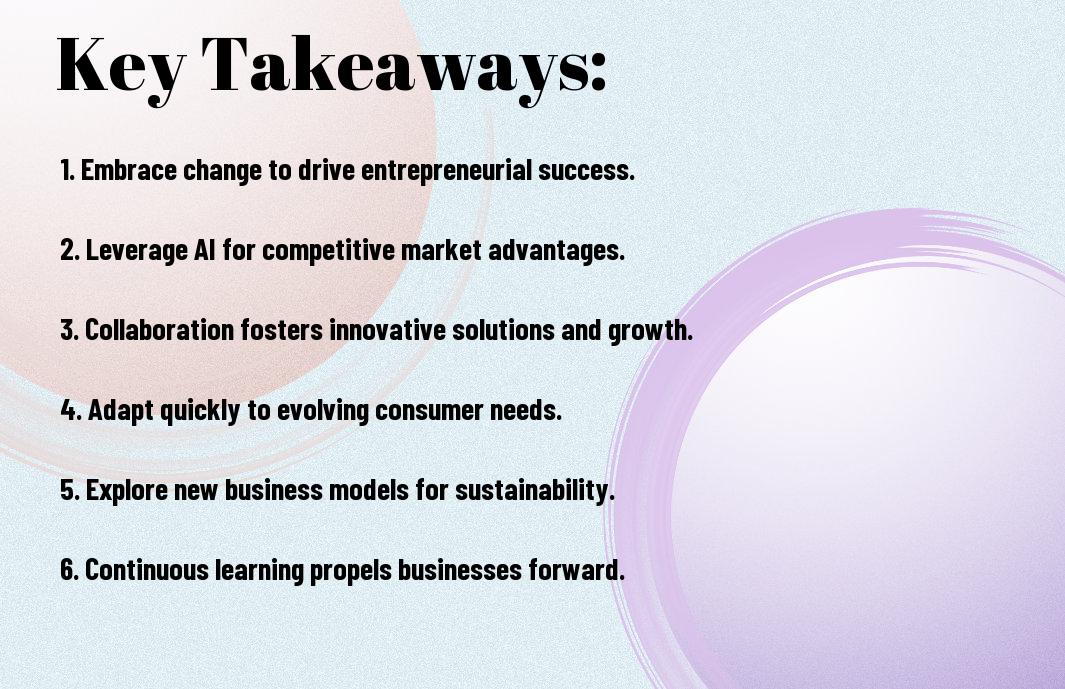
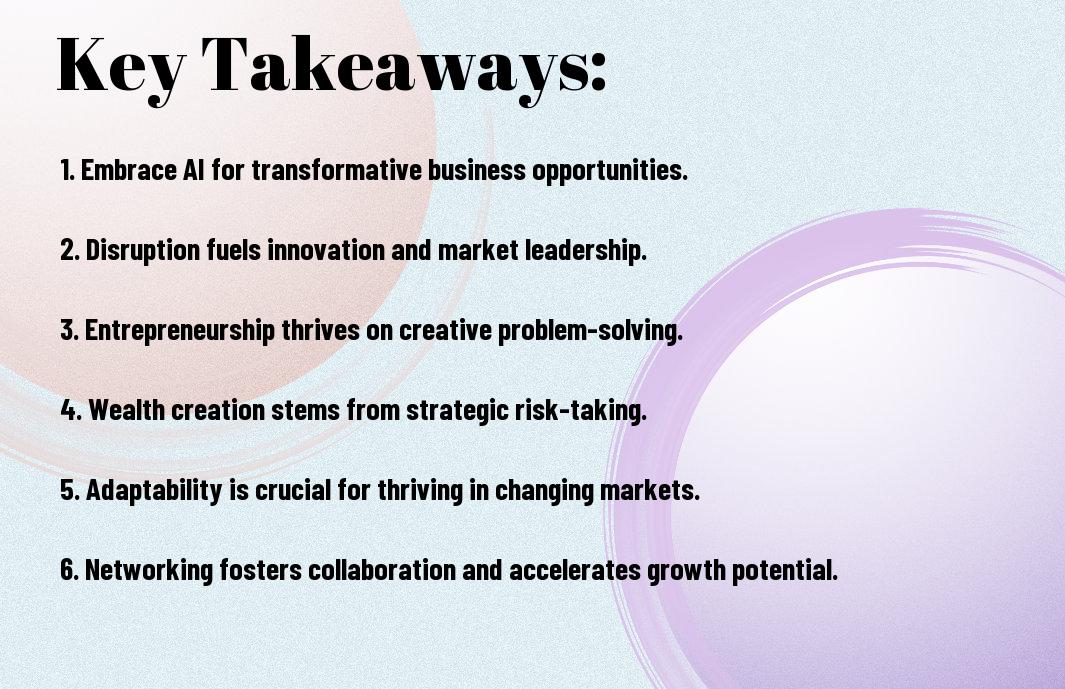
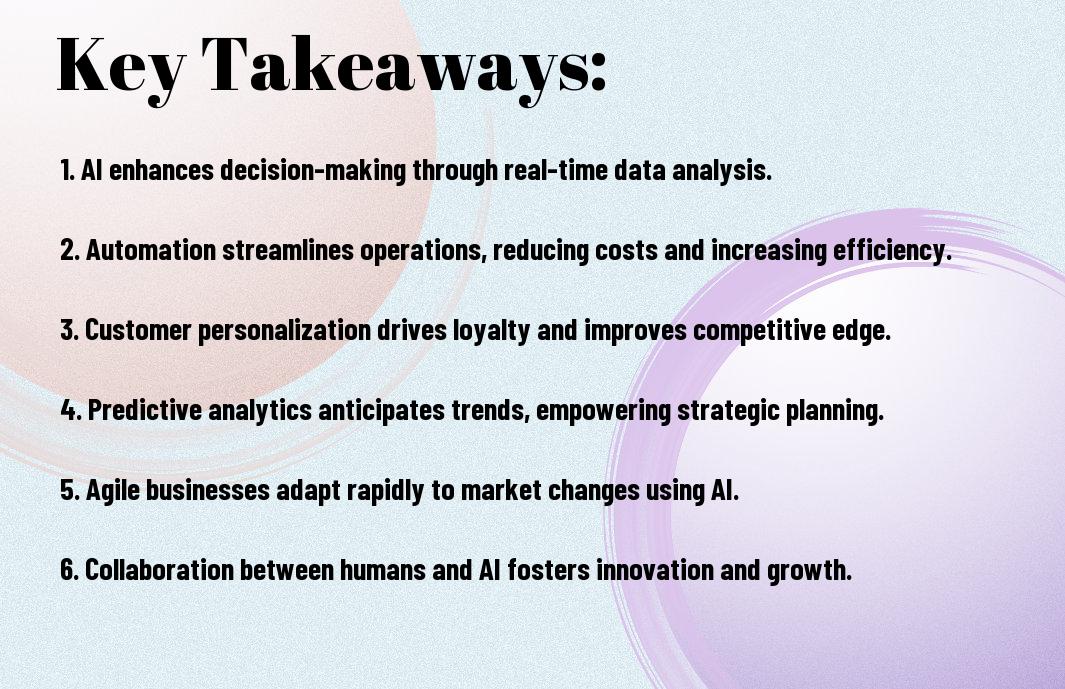
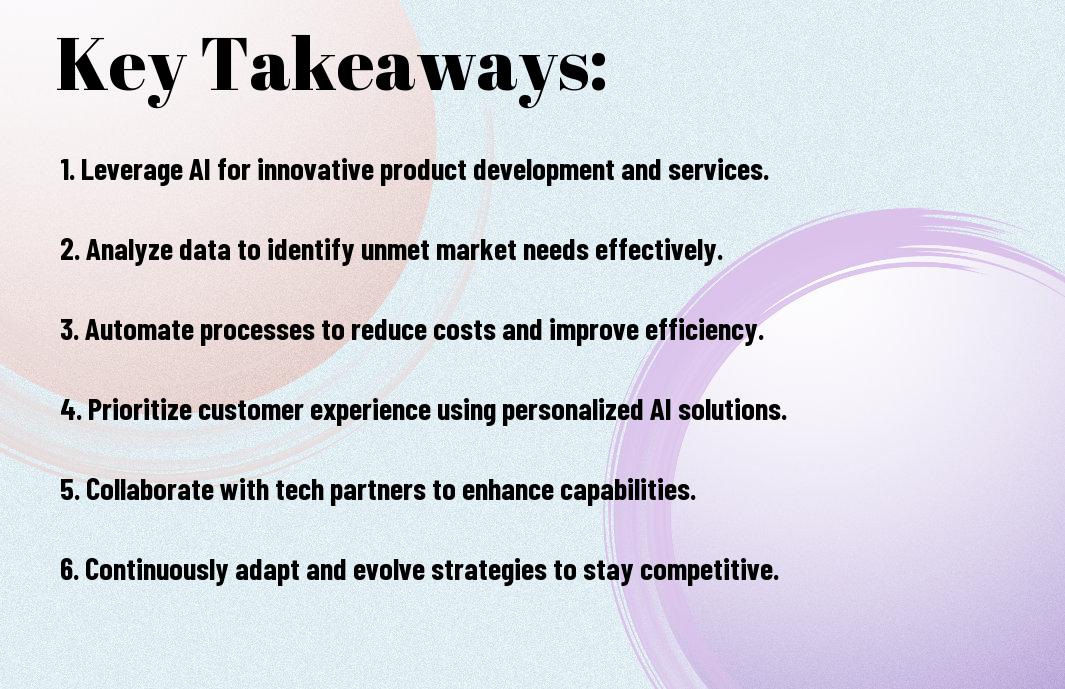
- Embracing AI technology can be a significant factor in disrupting your industry, as it enables businesses to automate processes, enhance customer experiences, and gain valuable insights from data analysis, ultimately leading to increased efficiency and financial success.
- Successful implementation of AI requires a strategic approach, including identifying areas where AI can add the most value, investing in the right talent and technology, and fostering a culture of innovation and continuous learning within the organization.
- By leveraging AI to drive innovation and improve operations, businesses can achieve significant financial benefits, such as reduced costs, increased revenue, and improved profitability, allowing them to stay ahead of the competition and achieve long-term financial success.
The Current State of Industry Disruption
A growing number of businesses are turning to AI to drive innovation and stay ahead of the competition, as you can learn more about in a post on How To Accelerate Business Success With AI, to achieve financial success.
Traditional Business Models Under Threat
By embracing AI, you can identify areas where traditional business models are under threat and adapt your strategy to stay competitive, allowing you to make informed decisions about your business’s future.
AI as the Ultimate Disruptor
Along with the rise of AI, you are witnessing a significant shift in the way businesses operate, with AI-powered solutions transforming industries and creating new opportunities for growth and innovation, enabling you to stay ahead.
In fact, as you investigate deeper into the world of AI, you will discover that its potential to disrupt industries is vast, and by leveraging AI, you can unlock new revenue streams, improve operational efficiency, and enhance customer experiences, ultimately driving your business towards financial success and giving you a competitive edge in the market.
Identifying AI Opportunities in Your Industry
While exploring your industry, you’ll uncover numerous areas where AI can be applied to drive innovation and growth, enabling you to stay ahead of the competition and achieve financial success.
Data-Rich Areas Ripe for Transformation
With access to vast amounts of data, you can identify sectors that are primed for AI-driven disruption, allowing you to make informed decisions and capitalize on emerging trends.
Competitor Vulnerabilities to Exploit
Your competitors’ weaknesses can be a significant opportunity for you to gain a competitive edge, and by analyzing their strategies, you can pinpoint areas where AI can be leveraged to outmaneuver them.
Areas where your competitors are struggling with manual processes, inefficient systems, or limited resources are particularly vulnerable to AI-driven disruption, and by targeting these weaknesses, you can develop innovative solutions that set you apart and drive business growth, ultimately leading to increased financial success and a stronger market position.
Building Your AI Disruption Strategy
Unlike traditional business strategies, building an AI disruption strategy requires a deep understanding of your industry and the potential applications of AI. You will need to identify areas where AI can bring significant value and develop a plan to leverage these opportunities to drive growth and innovation in your business.
Assembling the Right Team
Against the backdrop of rapid technological change, you will need to assemble a team with the right mix of skills and expertise to develop and implement your AI strategy. You should look for individuals with experience in AI, data science, and software development to help you navigate the complexities of AI adoption.
Securing Funding and Resources
Across the entire organization, you will need to secure the necessary funding and resources to support your AI initiatives. You should develop a comprehensive budget and resource plan that takes into account the costs of AI talent, technology, and infrastructure.
In fact, securing funding and resources for AI initiatives can be a significant challenge, but you can overcome this by developing a strong business case that highlights the potential return on investment and aligns with your overall business strategy. You should also consider partnering with investors, vendors, or other organizations to access the resources and expertise you need to drive your AI strategy forward.
Implementing AI Solutions for Maximum Impact
Many businesses are turning to AI to drive innovation and growth, and you can too by identifying areas where AI can have the greatest impact on your operations and customer experience.
Scaling Gradually Yet Decisively
Among the key considerations as you implement AI is to start small and scale up gradually, allowing you to test and refine your approach before making significant investments, ensuring that you can adapt to changing circumstances and make adjustments as needed to achieve your goals.
Measuring ROI and Performance Metrics
Measuring the effectiveness of your AI solutions is vital to understanding their impact on your business, and you will need to track key performance indicators such as revenue growth, customer engagement, and operational efficiency to determine the return on investment and make data-driven decisions.
Solutions to measuring ROI and performance metrics involve setting clear goals and objectives, establishing a baseline for measurement, and using data analytics tools to track and analyze the performance of your AI solutions, enabling you to identify areas for improvement and optimize your approach to achieve greater financial success and stay ahead of the competition, as you continue to innovate and expand your use of AI in your business, you will be able to make more informed decisions and drive greater value from your investments.

Overcoming Resistance to Your AI Revolution
Now that you’re on the path to AI adoption, you’ll need to address potential roadblocks. To achieve success, consider following Five Steps to AI Success to guide your journey.
Managing Stakeholder Concerns
Against the backdrop of uncertainty, you must address concerns from stakeholders, including employees, customers, and investors, to ensure a smooth transition to AI-driven operations.
Navigating Regulatory Challenges
After launching your AI initiative, you’ll need to comply with relevant laws and regulations, which can be complex and nuanced, requiring careful consideration to avoid potential pitfalls.
Another aspect of navigating regulatory challenges involves staying up-to-date with evolving laws and guidelines, as you continue to develop and refine your AI strategy, ensuring your organization remains compliant and competitive in the market, while you achieve your financial goals with AI.
Monetizing Your AI Disruption
After developing an AI-powered solution, you need to focus on generating revenue from your innovation, which can be achieved by creating a solid business model that showcases the value of your AI-enhanced offerings to potential customers.
Pricing Models for AI-Enhanced Offerings
At this stage, you will need to determine the optimal pricing strategy for your AI-driven products or services, considering factors such as development costs, market demand, and competition to ensure your pricing is competitive and profitable.
Creating New Revenue Streams
About leveraging AI to expand your revenue streams, you should explore various opportunities, such as subscription-based models, data-as-a-service, or AI-powered consulting services, to diversify your income sources and stay ahead of the competition.
Offerings that incorporate AI can open up new avenues for revenue generation, allowing you to target new customer segments, improve customer retention, and increase average deal sizes, ultimately leading to significant financial gains and a stronger market position for your business.
Final Words
Considering all points, you now have the tools to disrupt your industry with AI and achieve financial success. You can leverage AI to innovate, optimize operations, and drive growth. By applying these strategies, you will stay ahead of the competition and increase your revenue. Your ability to adapt and innovate with AI will be key to your success, enabling you to make informed decisions and capitalize on new opportunities.
FAQ
Q: What are the key steps to disrupt my industry with AI and achieve financial success?
A: To disrupt your industry with AI and achieve financial success, you need to start by identifying areas where AI can bring significant value to your business. This involves assessing your current operations, understanding your customers’ needs, and determining how AI can help you innovate and improve your products or services. Next, you should develop a clear strategy for AI adoption, including setting specific goals, allocating necessary resources, and building a team with the right skills. It’s also imperative to stay up-to-date with the latest AI trends and technologies, such as machine learning, natural language processing, and computer vision, to ensure you’re leveraging the most effective tools for your industry.
Q: How can I determine which AI technologies are best suited for my business and industry?
A: Determining the most suitable AI technologies for your business involves a thorough analysis of your industry, market, and specific business needs. Start by researching the AI solutions that are currently being used in your industry and assess their impact. You should also consult with AI experts, attend industry conferences, and participate in workshops to gain a deeper understanding of the various AI technologies available. Additionally, consider conducting pilot projects or proof-of-concept trials to test different AI solutions and evaluate their potential return on investment (ROI) for your business.
Q: What are the most significant challenges companies face when implementing AI, and how can they be overcome?
A: Companies often face several challenges when implementing AI, including data quality issues, lack of skilled talent, and integrating AI with existing systems. To overcome these challenges, it’s imperative to prioritize data quality and develop a robust data management strategy. This includes ensuring that your data is accurate, complete, and well-organized. You should also invest in employee training and development to build a team with the necessary AI skills. Furthermore, consider partnering with AI vendors or consultants who can help you navigate the implementation process and ensure seamless integration with your existing systems.
Q: How can AI help my business achieve financial success and what are the potential ROI benefits?
A: AI can help your business achieve financial success in several ways, including increasing efficiency, enhancing customer experience, and driving innovation. By automating routine tasks, AI can help reduce operational costs and improve productivity. AI-powered chatbots and virtual assistants can also improve customer engagement and retention, leading to increased revenue. Moreover, AI can help you develop new products and services, enter new markets, and stay ahead of the competition, resulting in significant revenue growth. According to various studies, businesses that adopt AI can expect to see an average ROI of 20-30% or more, depending on the specific use case and industry.
Q: What are the potential risks and ethical considerations associated with AI adoption, and how can they be mitigated?
A: The adoption of AI raises several potential risks and ethical considerations, including bias in decision-making, job displacement, and data privacy concerns. To mitigate these risks, it’s imperative to develop and implement responsible AI practices, such as ensuring transparency and explainability in AI decision-making, providing training and upskilling programs for employees, and prioritizing data protection and security. You should also establish clear guidelines and regulations for AI development and deployment, and engage with stakeholders, including customers, employees, and regulators, to ensure that AI is used in a way that is fair, transparent, and beneficial to all parties involved.