Wealth

A New Era of Wealth – How AI is Transforming Entrepreneurial Ventures

As you navigate the ever-changing landscape of entrepreneurial ventures, you’re likely aware that artificial intelligence (AI) is revolutionizing the way you do business. Your ability to adapt to this shift will be key to unlocking new opportunities and staying ahead of the curve. With AI transforming industries and creating new avenues for growth, you can leverage its power to propel your ventures forward and achieve unprecedented success. You are on the cusp of a new era of wealth, and it’s time to explore how AI is making it possible.

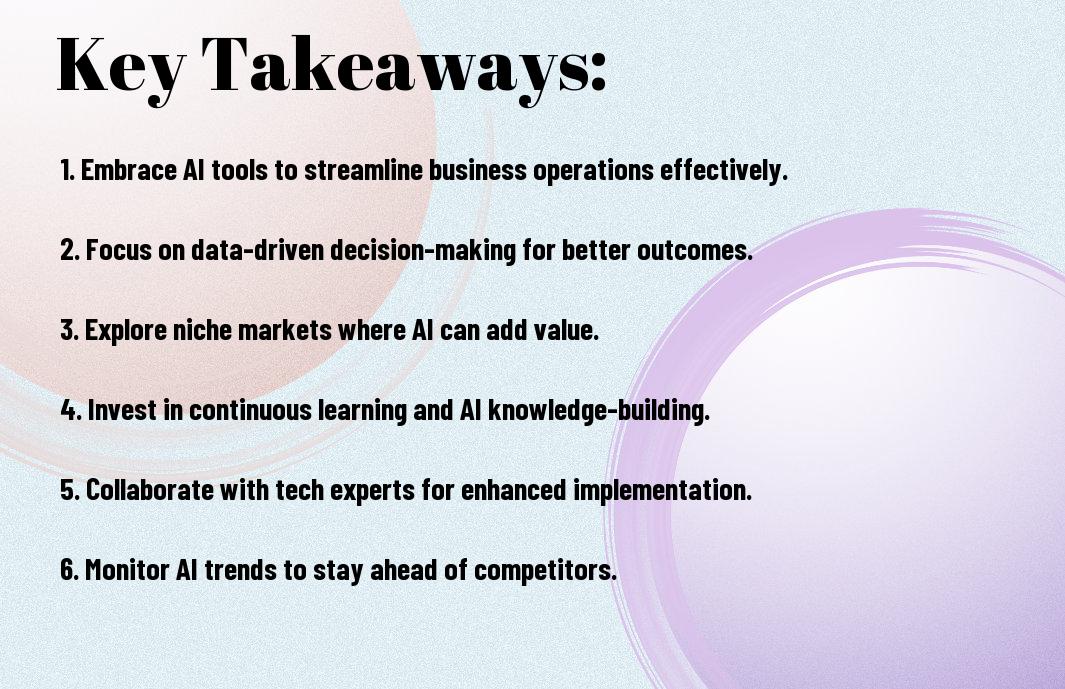
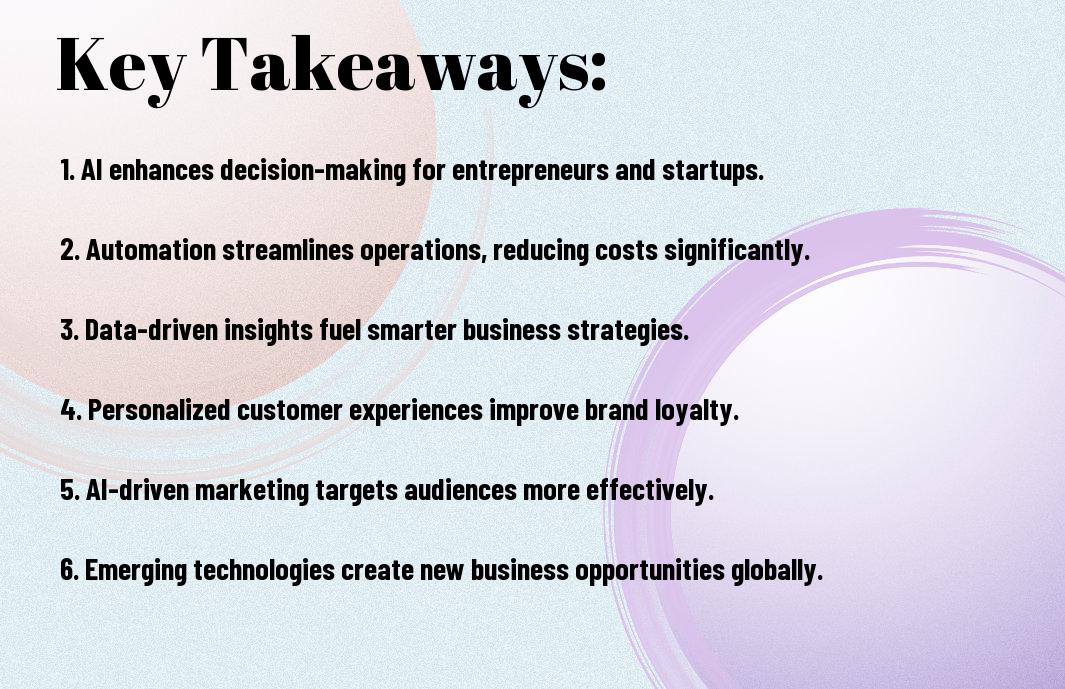
Key Takeaways:

  • AI is revolutionizing the way entrepreneurs approach business, enabling them to make data-driven decisions, automate tasks, and gain a competitive edge in the market.
  • The integration of AI in entrepreneurial ventures is giving rise to new opportunities for innovation, such as AI-powered products and services, and is transforming traditional industries like healthcare, finance, and education.
  • The successful adoption of AI in entrepreneurial ventures requires a deep understanding of the technology, as well as the ability to adapt and evolve alongside its rapid development, in order to unlock its full potential and drive business growth.

    The AI Revolution in Business

    The advent of AI is transforming the way you approach entrepreneurial ventures, and it’s necessary to understand the implications of this shift on your business strategy. As you navigate this new era of wealth, you’ll need to adapt to the changing landscape and leverage AI to stay competitive.

    Traditional Business Models vs AI-Enhanced Ventures

    Any entrepreneur looking to succeed in today’s market must consider the benefits of AI-enhanced ventures over traditional business models. As you weigh your options, you’ll find that AI can help you streamline operations, improve efficiency, and make data-driven decisions to drive your business forward.

    The Economic Impact of AI Integration

    Ventures that integrate AI into their operations are likely to experience significant economic benefits, and you can expect to see increased productivity and revenue growth as a result. As you consider implementing AI in your business, you’ll want to explore the various ways it can help you reduce costs and improve your bottom line.

    For instance, as you probe deeper into the economic impact of AI integration, you’ll discover that it can help you automate routine tasks, freeing up resources for more strategic initiatives. You’ll also find that AI can provide valuable insights into customer behavior, allowing you to tailor your marketing efforts and improve customer satisfaction. By embracing AI, you can position your business for long-term success and stay ahead of the competition in an increasingly complex market.
    Wealth Creation in the AI Age

    You are entering a new era of wealth creation, where AI is transforming the way you approach entrepreneurial ventures, offering unprecedented opportunities for growth and success.

    New Revenue Streams and Opportunities

    Alongside traditional methods, AI opens up new avenues for generating revenue, enabling you to explore innovative business models and capitalize on emerging trends, thereby expanding your entrepreneurial horizons.

    Scalability and Cost Optimization

    Around the clock, AI systems can process vast amounts of data, helping you streamline operations, reduce costs, and scale your business more efficiently, allowing you to focus on high-level strategy and decision-making.

    Due to the automation of routine tasks, you can allocate more resources to high-value activities, such as developing new products, improving customer experience, and exploring new markets, ultimately leading to increased profitability and competitiveness in your venture.

    Key AI Technologies Driving Success

    Once again, you’re at the forefront of innovation, leveraging AI to propel your entrepreneurial ventures forward. Key technologies such as machine learning, predictive analytics, and natural language processing are transforming the landscape, enabling you to make data-driven decisions and drive growth.

    Machine Learning Applications

    Prior to this, you may have relied on traditional methods, but now you can utilize machine learning to automate tasks, optimize processes, and uncover new insights, giving you a competitive edge in the market.

    Predictive Analytics and Decision Making

    Approximately, you will find that predictive analytics is a game-changer, allowing you to forecast trends, identify opportunities, and make informed decisions that drive your business forward, and you will be able to analyze large datasets to uncover patterns and relationships that inform your strategy.

    Consequently, as you investigate deeper into predictive analytics, you will discover that it enables you to anticipate customer needs, optimize operations, and mitigate risks, ultimately leading to increased efficiency, productivity, and profitability, and you will be able to refine your approach over time, making adjustments as needed to stay ahead of the curve and achieve your goals.

    The Human-AI Partnership

    Not surprisingly, the collaboration between humans and AI is becoming increasingly prevalent in entrepreneurial ventures, allowing you to leverage the strengths of both parties to drive innovation and growth.

    Entrepreneurial Skills in the AI Era

    Among the key skills you will need to develop in this new era are those related to data analysis, interpretation, and decision-making, as AI provides you with vast amounts of data to inform your business strategies.

    Building AI-Ready Teams

    Entrepreneurially-minded individuals like yourself will need to focus on assembling teams with a mix of technical and business skills to effectively harness the power of AI and drive your venture forward.

    Considering the complexities of AI integration, you will need to invest time and resources in training and upskilling your team members to ensure they can work effectively with AI systems, and that your organization can adapt to the rapidly evolving AI landscape, allowing you to stay ahead of the competition and achieve your business goals.

    Risk Management and Challenges

    All entrepreneurial ventures come with risks, and AI-powered businesses are no exception. You will face unique challenges that require careful consideration to mitigate potential downsides and ensure your venture’s success.

    Technical and Implementation Hurdles

    The technical complexities of AI can be overwhelming, and you may encounter difficulties when implementing AI solutions into your business. You will need to assess your technical capabilities and address any gaps to ensure seamless integration.

    Ethical Considerations and Compliance

    Managing the ethical implications of AI is necessary for your business. You must consider the potential consequences of your AI-powered decisions and ensure that your venture complies with relevant regulations to avoid reputational damage.

    Another aspect of ethical considerations is transparency, and you will need to be open with your customers and stakeholders about how you are using AI in your business. You should also establish clear guidelines for AI development and deployment to ensure that your venture is aligned with your values and principles, and that you are using AI in a responsible and ethical manner that benefits both your business and society.

    Future Growth Trajectories

    Not surprisingly, you will find that AI is transforming the way you approach entrepreneurial ventures, as seen in The Artificial Intelligence Revolution: Adapting To A New Era, and this shift will continue to shape your business decisions.

    Emerging Markets and Opportunities

    Trajectory-wise, you will notice that emerging markets and opportunities are opening up, allowing you to expand your business and explore new avenues for growth, as you navigate the ever-changing landscape of entrepreneurial ventures.

    Industry-Specific Transformations

    One of the key aspects of AI’s impact on business is the industry-specific transformations that are taking place, and you will need to stay ahead of the curve to remain competitive in your field.

    Transformations in various industries will require you to adapt and evolve your business strategies, and as you examine deeper into the world of AI, you will discover new ways to streamline processes, improve efficiency, and drive innovation, ultimately leading to increased productivity and profitability in your entrepreneurial ventures.

    To wrap up

    Now, as you commence on your entrepreneurial journey, you will witness firsthand how AI is transforming the landscape of wealth creation. You will see your ventures thrive with the aid of AI-driven insights and automation. Your ability to adapt and harness AI’s potential will be key to unlocking new opportunities and staying ahead of the curve in this new era of wealth.

    FAQ

    Q: What is the role of Artificial Intelligence in transforming entrepreneurial ventures?

    A: Artificial Intelligence (AI) is playing a significant role in transforming entrepreneurial ventures by automating business processes, enhancing decision-making, and improving customer experiences. With AI, entrepreneurs can analyze large amounts of data, identify patterns, and make informed decisions to drive business growth. AI-powered tools are also enabling entrepreneurs to develop innovative products and services, such as chatbots, virtual assistants, and predictive analytics, that are revolutionizing the way businesses operate.

    Q: How is AI changing the way entrepreneurs approach innovation and risk-taking?

    A: AI is changing the way entrepreneurs approach innovation and risk-taking by providing them with data-driven insights and predictive analytics. With AI, entrepreneurs can test and validate their business ideas, identify potential risks, and make informed decisions about investments and resource allocation. AI is also enabling entrepreneurs to experiment with new business models, such as subscription-based services and freemium models, and to iterate and refine their products and services based on customer feedback and market trends.

    Q: What are the benefits of using AI in entrepreneurial ventures, and how can entrepreneurs leverage these benefits to drive growth?

    A: The benefits of using AI in entrepreneurial ventures include increased efficiency, improved decision-making, and enhanced customer experiences. Entrepreneurs can leverage these benefits by automating routine tasks, using AI-powered tools to analyze customer data, and developing innovative products and services that meet the evolving needs of their customers. Additionally, AI can help entrepreneurs to identify new business opportunities, optimize their supply chains, and improve their marketing and sales strategies.

    Q: How can entrepreneurs ensure that their AI-powered ventures are transparent, accountable, and ethical?

    A: Entrepreneurs can ensure that their AI-powered ventures are transparent, accountable, and ethical by prioritizing data privacy and security, being transparent about their use of AI, and implementing robust governance and oversight mechanisms. They should also consider the potential biases and risks associated with AI and take steps to mitigate them. Furthermore, entrepreneurs should engage with stakeholders, including customers, employees, and regulators, to ensure that their AI-powered ventures align with societal values and norms.

    Q: What skills and knowledge do entrepreneurs need to acquire to succeed in an AI-driven business environment?

    A: To succeed in an AI-driven business environment, entrepreneurs need to acquire a range of skills and knowledge, including data analysis and interpretation, programming and software development, and business strategy and innovation. They should also have a deep understanding of AI technologies, such as machine learning and natural language processing, and be able to apply these technologies to real-world business problems. Additionally, entrepreneurs should be able to think creatively, work collaboratively, and adapt quickly to changing market conditions and technological advancements.

The AI Wealth Blueprint – Turning Technology into a Lucrative Business Model

As you navigate the rapidly evolving landscape of artificial intelligence, you’re likely wondering how to harness its power to drive business success. You’re looking to transform your understanding of AI into a tangible, profitable venture. Your goal is to leverage technology to boost your bottom line, and you’re seeking a clear roadmap to achieve this objective. This post will guide you through the process, providing valuable insights and expert advice to help you turn AI into a lucrative business model that yields significant returns on your investment.

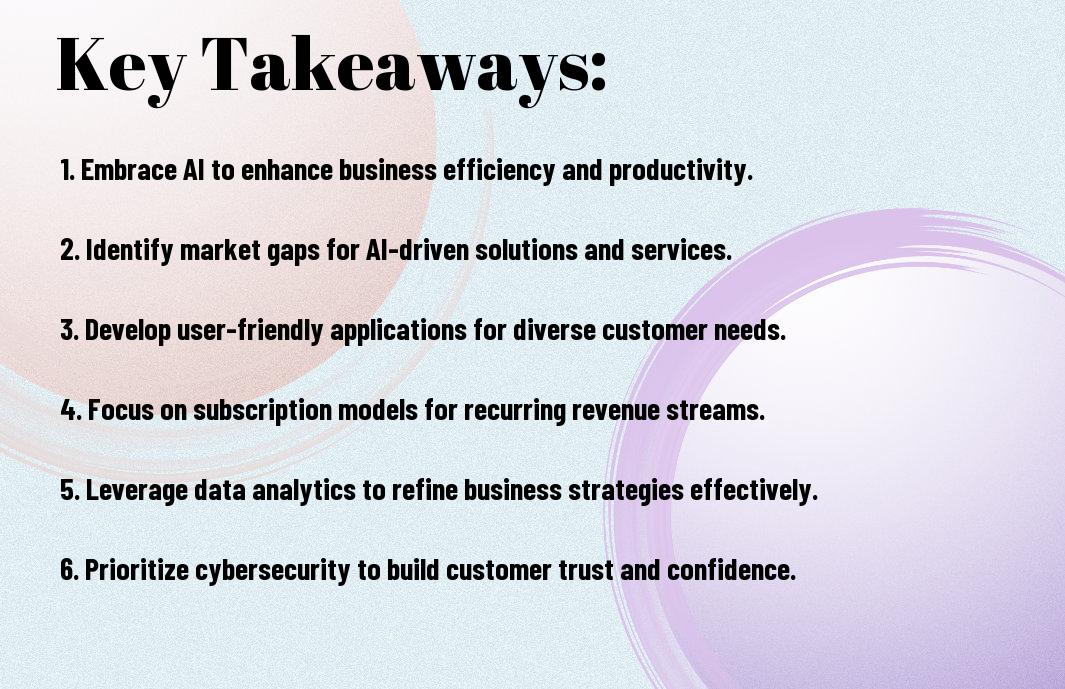
Key Takeaways:

  • The AI Wealth Blueprint provides a comprehensive guide on how to leverage artificial intelligence and technology to create a profitable business model, highlighting the potential for significant financial gains through strategic implementation and innovation.
  • By understanding the intersection of technology and business, entrepreneurs and investors can identify new opportunities for growth and development, using AI to drive efficiency, improve decision-making, and enhance customer experiences.
  • Effective execution of The AI Wealth Blueprint requires a deep understanding of the latest advancements in AI, as well as the ability to adapt and evolve business strategies in response to rapidly changing technological landscapes and market demands.

The Digital Gold Rush

Before entering into the world of AI, you need to understand the vast opportunities it presents. You are on the cusp of a revolution that can transform your business and generate significant wealth.

AI Market Evolution

Glorious advancements in AI have led to unprecedented growth, and you can capitalize on this trend. You will witness the emergence of new technologies and innovations that can be leveraged to create lucrative business models.

Identifying Profitable Niches

Around every corner, there are opportunities waiting to be seized. You can explore various AI applications and identify areas that align with your interests and expertise, paving the way for a successful business venture.

It is imperative to conduct thorough research and analyze market trends to identify profitable niches. You should focus on areas with high demand and limited competition, allowing you to establish a strong foothold in the market. By doing so, you can create a robust business model that generates significant revenue and drives long-term growth, ultimately helping you achieve your financial goals.

Core AI Business Models

Clearly, understanding the core AI business models is necessary to creating a lucrative business. You will need to explore various models, including subscription-based services and data monetization strategies, to determine which one suits your business needs.

Subscription-Based Services

Across various industries, you can leverage AI to offer subscription-based services, providing your customers with ongoing access to AI-powered tools and features, generating a steady revenue stream for your business.

Data Monetization Strategies

Business owners like you can capitalize on AI-driven data monetization strategies, enabling you to unlock new revenue streams and gain a competitive edge in the market.

For instance, you can utilize AI to analyze and process large datasets, creating valuable insights that can be sold to other businesses or used to inform your own business decisions, ultimately driving growth and increasing your bottom line.

Technology Infrastructure

Keep in mind that a robust technology infrastructure is vital for your AI-powered business. You can learn more about building a successful AI business by checking out the THE AI WEALTH CREATION BLUEPRINT eBook, which provides valuable insights and strategies for turning technology into a lucrative business model.

Essential AI Tools and Platforms

Among the various AI tools and platforms available, you will need to select the ones that best fit your business needs, considering factors such as scalability, security, and ease of use, to ensure seamless integration and optimal performance.

Scalability Framework

To achieve long-term success, you must design a scalability framework that allows your AI system to grow and adapt to increasing demands, ensuring that your business remains competitive and efficient.

Hence, as you develop your scalability framework, you should focus on creating a flexible and modular architecture that can be easily upgraded or modified, enabling your AI system to handle large volumes of data and traffic, while maintaining high performance and reliability, which is vital for your business to thrive in a rapidly changing market.

Revenue Generation Mechanics

All successful businesses rely on effective revenue generation mechanics to drive growth and profitability. You will need to develop a deep understanding of your target market and the value proposition your AI-powered business offers to create a robust revenue stream.

Pricing Strategies

After establishing your unique value proposition, you can develop pricing strategies that align with your business goals and customer expectations. You will need to consider factors such as production costs, market conditions, and competition to determine the optimal pricing for your AI-driven products or services.

Value Chain Optimization

Below the surface of your revenue generation mechanics lies the value chain, which encompasses all activities that create value for your customers. You can optimize your value chain by streamlining processes, reducing costs, and enhancing the overall customer experience.

A key aspect of value chain optimization is identifying areas where AI can be leveraged to improve efficiency, reduce waste, and create new opportunities for growth. As you analyze your value chain, you will be able to pinpoint bottlenecks and areas for improvement, allowing you to make data-driven decisions that drive your business forward and increase your revenue.

Risk Management

Many factors can impact your AI business, and it’s imperative to consider them when developing your strategy. You need to identify potential risks and develop plans to mitigate them, ensuring your business remains stable and profitable.

Technical Challenges

Beneath the surface of any AI project, technical issues can arise, and you must be prepared to address them. You should have a team of experts who can handle complex problems and find solutions quickly, minimizing downtime and ensuring your business continues to run smoothly.

Market Competition Safeguards

Prior to entering the market, you should have a plan in place to protect your business from competitors. You need to understand your unique selling points and develop strategies to differentiate your products or services, making them more attractive to customers.

Due to the ever-changing nature of the AI industry, you must stay ahead of the competition by continuously monitoring market trends and adjusting your strategy accordingly. You should also focus on building strong relationships with your customers, providing them with exceptional service and support, and encouraging loyalty to your brand, ultimately safeguarding your position in the market.

Growth and Scaling

Not every business can scale effectively, but with the right strategy, you can turn your AI technology into a lucrative business model. You will need to focus on expanding your market reach and building a strong partnership ecosystem to achieve growth.

Market Expansion Tactics

Gaining traction in new markets requires a thoughtful approach, you will need to identify opportunities and develop strategies to capitalize on them, expanding your customer base and increasing your revenue.

Partnership Ecosystems

Above all, building a strong network of partners is vital to your success, you will need to identify key stakeholders and collaborate with them to drive growth and innovation in your business.

For instance, you can leverage partnerships to access new technologies, expertise, and markets, enabling you to stay ahead of the competition and achieve your business goals, by doing so, you will be able to create a robust and sustainable business model that drives long-term growth and profitability.

Conclusion

Drawing together the key concepts, you now have a comprehensive understanding of how to leverage AI for financial gain. As you commence on your journey, you can refer to The AI Wealth Blueprint: A Real-World Guide to Building Your AI-Powered Business for expert guidance. With your newfound knowledge, you can turn technology into a lucrative business model, driving your success and transforming your financial future, as you apply your skills to build your AI-driven enterprise, shaping your prosperity.

FAQ

Q: What is The AI Wealth Blueprint and how can it help me turn technology into a lucrative business model?

A: The AI Wealth Blueprint is a comprehensive guide designed to help entrepreneurs and businesses harness the power of Artificial Intelligence (AI) to create profitable and sustainable business models. By following the blueprint, you will learn how to identify opportunities, develop strategies, and implement AI solutions that drive growth, increase efficiency, and generate significant revenue streams. With The AI Wealth Blueprint, you will gain the knowledge and tools necessary to stay ahead of the competition and capitalize on the vast potential of AI in the market.

Q: What kind of skills or experience do I need to have to benefit from The AI Wealth Blueprint?

A: The AI Wealth Blueprint is designed to be accessible to individuals from various backgrounds and industries. You don’t need to have extensive technical expertise in AI or programming to benefit from the blueprint. The guide provides a thorough introduction to AI concepts, technologies, and applications, making it suitable for beginners and experienced professionals alike. Whether you are an entrepreneur, business owner, or investor, The AI Wealth Blueprint will provide you with the insights and strategies necessary to leverage AI for business success.

Q: How does The AI Wealth Blueprint help me identify profitable AI business opportunities?

A: The AI Wealth Blueprint provides a structured approach to identifying and evaluating AI business opportunities. The guide includes market analysis, trend identification, and risk assessment tools to help you pinpoint high-potential areas for AI application. You will learn how to analyze industry trends, assess market demand, and evaluate the competitive landscape to determine the most lucrative opportunities for AI-driven businesses. By following the blueprint, you will be able to identify and capitalize on emerging trends and opportunities in the AI market.

Q: Can The AI Wealth Blueprint be applied to existing businesses, or is it only suitable for new ventures?

A: The AI Wealth Blueprint is designed to be flexible and adaptable to various business contexts. Whether you are looking to launch a new AI-driven venture or integrate AI into an existing business, the guide provides actionable strategies and tactics to help you achieve your goals. You will learn how to assess your current business operations, identify areas for AI integration, and develop a roadmap for implementation. The AI Wealth Blueprint can help you enhance your existing business model, improve efficiency, and unlock new revenue streams through AI adoption.

Q: What kind of support and resources are available to help me implement The AI Wealth Blueprint?

A: The AI Wealth Blueprint comes with a range of support resources and tools to help you implement the strategies and tactics outlined in the guide. You will gain access to a community of like-minded entrepreneurs and business leaders, as well as expert mentors and coaches who can provide guidance and support. Additionally, the blueprint includes templates, worksheets, and case studies to help you apply the concepts and principles to your specific business context. With The AI Wealth Blueprint, you will have everything you need to turn technology into a lucrative business model and achieve long-term success in the AI-driven economy.

Navigating the AI Landscape – Key Strategies for Wealth-Building Entrepreneurs

As you commence on your wealth-building journey, you’ll need to understand the impact of artificial intelligence on your business. You can leverage AI to drive growth, but you must do so strategically. To learn more about effectively integrating AI into your operations, you can explore resources like Navigating AI in Wealth Management: Balancing Tech and Human Touch, which provides valuable insights to help you make informed decisions and maximize your returns. You will be able to make the most of AI’s potential.

Key Takeaways:

  • Wealth-building entrepreneurs can leverage AI to automate routine tasks, freeing up time to focus on high-leverage activities such as strategy and innovation, which can lead to increased productivity and efficiency.
  • To successfully navigate the AI landscape, entrepreneurs need to develop a deep understanding of their business needs and identify areas where AI can add significant value, such as improving customer experience or optimizing operations.
  • By investing in AI education and staying up-to-date with the latest advancements, entrepreneurs can make informed decisions about AI adoption and implementation, ultimately driving business growth and staying competitive in their industry.

    The Tipping Point of AI in Business

    To successfully navigate the AI landscape, you need to understand the transformative power of artificial intelligence in business, and how it can catapult your wealth-building endeavors to new heights, making you a pioneer in your industry.

    Identifying Early Adoption Advantages

    On the path to leveraging AI for business growth, you will discover numerous benefits, including enhanced efficiency, improved decision-making, and increased competitiveness, all of which can significantly boost your bottom line and set you apart from your peers.

    Recognizing Patterns of Technological Disruption

    Alongside the integration of AI, you will notice patterns of technological disruption that can inform your strategic decisions, helping you to anticipate and adapt to changes in the market, and ultimately, to stay ahead of the curve in your industry.

    Another key aspect of recognizing patterns of technological disruption is understanding how AI can automate routine tasks, freeing up your time to focus on high-level strategy and innovation, allowing you to drive your business forward with greater precision and agility, and to make more informed decisions about your investments and resource allocation.

    Outliers in the AI Entrepreneurial Space

    The AI landscape is evolving rapidly, and as you navigate this space, you’ll encounter outliers who are making a significant impact. For insights on navigating the post-AI bubble, you can visit Navigating the Post-AI Bubble: Key Strategies for Startups and Entrepreneurs to learn more about the strategies that successful startups are using.

    Characteristics of Successful AI Entrepreneurs

    Among the key traits of successful AI entrepreneurs is their ability to adapt quickly to changing technologies and market trends, allowing you to stay ahead of the competition as you build your wealth.

    Learning from Unconventional Success Stories

    By studying unconventional success stories, you can gain valuable insights into what sets successful AI entrepreneurs apart and apply these lessons to your own business strategy.

    Plus, as you explore deeper into the stories of successful AI entrepreneurs, you’ll discover that their ability to innovate and take calculated risks has been vital to their success, and you can apply these same principles to your own business to drive growth and build wealth in the AI landscape.

    The AI Advantage Paradox

    Unlike other business tools, AI can be a double-edged sword, offering immense benefits while also posing significant challenges. As you navigate the AI landscape, you’ll need to balance the potential advantages with the potential drawbacks to maximize your returns.

    When More Technology Yields Diminishing Returns

    Behind the hype surrounding AI lies a complex reality: excessive technology adoption can lead to diminishing returns. As you invest more in AI, you may find that the benefits plateau, and the costs outweigh the advantages, affecting your bottom line.

    Finding the Sweet Spot of AI Implementation

    Among the key challenges you’ll face is finding the optimal level of AI implementation for your business. You’ll need to strike a balance between leveraging AI’s potential and avoiding over-reliance on technology.

    To achieve this balance, you’ll need to carefully assess your business needs and identify areas where AI can have the most significant impact. As you implement AI solutions, monitor their effectiveness and adjust your strategy accordingly, ensuring that you’re maximizing the benefits while minimizing the drawbacks. By doing so, you’ll be able to harness the power of AI to drive your business forward and achieve your wealth-building goals.

    Decision Trees for AI Investment

    Now that you’re considering investing in AI, it’s crucial to develop a strategic approach. You’ll need to evaluate various factors, including market trends, competition, and potential returns on investment. By creating a decision tree, you can visualize your options and make informed choices that align with your business goals.

    Risk Assessment Frameworks

    To effectively navigate the AI landscape, you must establish a risk assessment framework. This involves identifying potential risks, assessing their likelihood and impact, and developing strategies to mitigate them. You can then use this framework to evaluate investment opportunities and make decisions that minimize your exposure to risk.

    Scalability Considerations

    Before investing in AI, you should consider the scalability of your solution. You need to think about how your AI system will handle increased traffic, data, or user demand. This involves evaluating your infrastructure, architecture, and resources to ensure they can support growth.

    Further, as you scale your AI investment, you’ll need to monitor its performance, adjust your strategies, and make data-driven decisions. You should also consider the potential for integration with other systems, as well as the need for ongoing maintenance and updates to ensure your AI solution remains effective and efficient over time.

    The Human Element in an AI-Driven Economy

    After understanding the role of AI in your business, you can focus on what sets you apart: your human touch. As you navigate this new landscape, your ability to adapt and innovate will be key to your success.

    Augmentation versus Replacement

    Versus the common perception that AI replaces human workers, you’ll find that it often augments your capabilities, freeing you to focus on high-value tasks that drive your business forward.

    Building Teams for the AI Era

    To build a successful team in this era, you’ll need to identify the skills that complement AI systems, such as creativity, empathy, and problem-solving, and hire accordingly, allowing you to leverage the strengths of both humans and machines.

    Another key aspect of building teams for the AI era is developing a culture that embraces continuous learning and upskilling, as you’ll need to stay ahead of the curve to remain competitive, and your team will need to be able to adapt to new technologies and workflows, ensuring your business remains agile and innovative.

    Wealth-Building Algorithms

    Despite the complexity of AI systems, you can leverage them to build wealth by understanding the underlying algorithms that drive their decision-making processes, allowing you to make informed investment decisions and optimize your wealth-building strategies.

    Passive Income Strategies Using AI

    To maximize your returns, you can utilize AI-powered tools to automate your investment portfolio, generating passive income streams that contribute to your overall wealth, and enabling you to focus on high-growth opportunities.

    Value Creation in Automated Systems

    On the other hand, you can create value in automated systems by identifying areas where AI can optimize processes, increase efficiency, and reduce costs, ultimately leading to increased profitability and wealth creation.

    For instance, you can use AI to analyze market trends, identify patterns, and make predictions, allowing you to make data-driven decisions that drive your wealth-building strategies forward, and giving you a competitive edge in the market, as you continue to navigate the AI landscape and build your wealth.

    Final Words

    Upon reflecting on your journey through the AI landscape, you now possess the knowledge to make informed decisions about your wealth-building strategies. You understand how to leverage AI to optimize your business and stay ahead of the competition. As you move forward, you will continue to refine your approach, adapting to the ever-evolving AI landscape and capitalizing on new opportunities to drive your success. Your ability to navigate this landscape will be key to achieving your entrepreneurial goals.

    FAQ

    Q: What is the current state of AI adoption among entrepreneurs, and how can I leverage it for wealth-building?

    A: The current state of AI adoption among entrepreneurs is rapidly evolving, with many businesses already utilizing AI-powered tools to streamline operations, enhance customer experiences, and gain a competitive edge. To leverage AI for wealth-building, entrepreneurs should focus on identifying areas where AI can automate repetitive tasks, provide data-driven insights, and improve decision-making. By embracing AI, entrepreneurs can unlock new revenue streams, reduce costs, and drive innovation, ultimately leading to increased profitability and wealth creation.

    Q: How can I develop an effective AI strategy that aligns with my business goals and objectives?

    A: Developing an effective AI strategy requires a thorough understanding of your business needs, industry trends, and the capabilities of AI technologies. Start by identifying areas where AI can have the most significant impact, such as customer service, marketing, or supply chain management. Then, assess your current infrastructure, data quality, and talent pool to determine the best AI solutions to implement. It’s crucial to set clear goals, define key performance indicators (KPIs), and establish a roadmap for AI adoption to ensure successful integration and maximum ROI.

    Q: What are the most significant challenges entrepreneurs face when implementing AI, and how can they overcome them?

    A: Entrepreneurs often face challenges such as data quality issues, lack of AI expertise, and integration complexities when implementing AI. To overcome these challenges, entrepreneurs should prioritize data quality and governance, invest in AI talent and training, and adopt a phased implementation approach. Additionally, they should focus on building a strong AI ecosystem by partnering with reputable vendors, leveraging open-source solutions, and fostering a culture of innovation and experimentation. By addressing these challenges proactively, entrepreneurs can minimize risks and maximize the benefits of AI adoption.

    Q: How can I measure the effectiveness of AI-powered solutions and ensure they are driving business value?

    A: Measuring the effectiveness of AI-powered solutions requires a data-driven approach, focusing on key metrics such as return on investment (ROI), customer satisfaction, and process efficiency. Entrepreneurs should establish clear KPIs, monitor AI system performance, and conduct regular assessments to ensure AI solutions are meeting business objectives. It’s also crucial to have a robust data analytics framework in place to track AI-driven insights and decision-making outcomes. By continuously evaluating and refining AI solutions, entrepreneurs can optimize their impact and drive sustained business value.

    Q: What are the future trends and opportunities in AI that entrepreneurs should be aware of, and how can they prepare for them?

    A: Future trends in AI include the increasing use of edge AI, explainable AI, and human-AI collaboration. Entrepreneurs should also be aware of emerging applications such as AI-powered cybersecurity, autonomous systems, and augmented reality. To prepare for these trends, entrepreneurs should stay informed about the latest AI advancements, invest in ongoing education and training, and foster a culture of innovation and experimentation. By embracing a forward-thinking approach, entrepreneurs can capitalize on new AI opportunities, drive business growth, and maintain a competitive edge in an increasingly AI-driven landscape.

The Intersection of AI and Finance – Wealth-Building Insights for Entrepreneurs

As you navigate the complex world of finance, you’re likely aware of the growing impact of artificial intelligence (AI) on your business. You’re probably wondering how to harness the power of AI to boost your financial growth and make informed investment decisions. Your ability to leverage AI can be a game-changer, and this blog post will provide you with valuable insights on how to do just that, helping you stay ahead of the curve and drive your business forward.

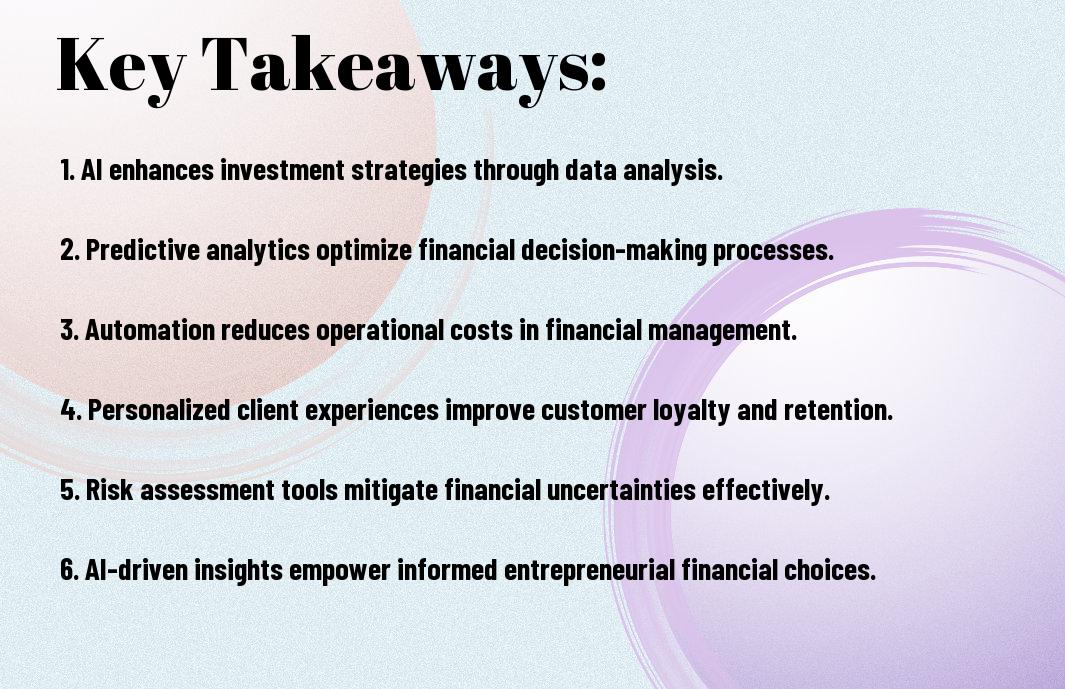
Key Takeaways:

  • The integration of AI in finance is revolutionizing the way entrepreneurs manage their wealth, providing them with data-driven insights to make informed investment decisions and optimize their financial portfolios.
  • AI-powered tools are enabling entrepreneurs to automate routine financial tasks, such as bookkeeping and accounting, freeing up time to focus on high-growth activities like strategy and innovation.
  • By leveraging AI in finance, entrepreneurs can gain a competitive edge in the market, identify new business opportunities, and develop personalized wealth-building strategies that align with their unique goals and risk tolerance.

AI Technologies Revolutionizing Financial Markets

Before plunging into the specifics, you should understand that AI is transforming the financial landscape, enabling you to make data-driven decisions and stay ahead of the competition.

Machine Learning Algorithms for Investment Analysis

Besides traditional methods, machine learning algorithms can help you analyze vast amounts of data, identifying patterns and trends to inform your investment strategies.

Predictive Analytics in Market Forecasting

Forecasting market trends is becoming increasingly accurate with predictive analytics, allowing you to anticipate and adapt to changes in the market, making informed decisions about your investments.

Hence, as you explore predictive analytics in market forecasting, you will discover that it enables you to analyze historical data, identify correlations, and make predictions about future market movements, giving you a competitive edge in your financial endeavors, and helping you to optimize your investment portfolio and minimize risks.

Entrepreneurial Opportunities in AI-Driven Finance

There’s a growing need for innovative financial solutions, and as an entrepreneur, you can capitalize on this trend by exploring AI-driven finance opportunities, which can help you build wealth and stay ahead of the competition.

Fintech Startups Leveraging AI Capabilities

After analyzing the market, you’ll find that many fintech startups are leveraging AI capabilities to offer personalized financial services, and you can learn from their strategies to inform your own business decisions.

Venture Capital Trends in AI Finance Solutions

Leveraging your understanding of AI finance, you can navigate the venture capital landscape, identifying trends and opportunities that align with your business goals and investment strategies.

It is important to stay informed about the latest developments in AI finance, as you consider investment opportunities, and you should focus on solutions that address real-world problems, such as risk management, portfolio optimization, and customer engagement, to maximize your returns and build a successful business.

Wealth Management Transformation

Many entrepreneurs are turning to AI-powered solutions to optimize their wealth management strategies, and you can do the same by leveraging cutting-edge technologies to make informed investment decisions and maximize your returns.

Robo-Advisors and Automated Portfolio Management

One of the key benefits of AI in finance is the ability to automate portfolio management, allowing you to diversify your investments and minimize risk, and you can take advantage of this by using robo-advisors to manage your portfolio efficiently.

Personalized Financial Planning Through Data Analysis

One way to achieve personalized financial planning is through data analysis, which enables you to gain valuable insights into your financial situation and make informed decisions about your investments, and you can use this information to tailor your strategy to your unique needs and goals.

Automated data analysis tools can help you identify areas for improvement in your financial plan, and you can use this information to adjust your strategy and achieve your long-term financial objectives, whether you’re looking to build wealth, reduce debt, or achieve a specific financial milestone, and you can trust that your financial plan is tailored to your unique situation and goals.

Risk Assessment and Mitigation Strategies

To effectively navigate the intersection of AI and finance, you need to consider the potential risks involved. As you explore the use of AI in your financial decisions, you can find insights on Can generative AI provide trusted financial advice? to make informed choices.

AI-Powered Fraud Detection Systems

Beneath the surface of your financial operations, AI-powered systems can help detect and prevent fraudulent activities, protecting your assets and reputation. You can leverage these systems to identify potential threats and take proactive measures to mitigate them.

Market Volatility Prediction Models

Between the lines of market trends and financial data, AI-driven models can help you predict potential volatility and make informed investment decisions. You can use these models to analyze market patterns and adjust your strategies accordingly.

Models like these can be integrated into your existing financial frameworks, providing you with real-time insights and enabling you to respond quickly to changing market conditions, ultimately helping you to minimize losses and maximize your returns. You can explore various models and choose the one that best suits your investment goals and risk tolerance.

Regulatory Landscape for AI in Finance

Your business must navigate the complex regulatory landscape for AI in finance to ensure compliance and avoid potential risks. As you explore AI applications, consider the evolving laws and guidelines that govern its use in financial services.

Compliance Automation Technologies

Alongside the development of AI, an array of compliance automation technologies has emerged to help you streamline regulatory processes, reducing the burden on your business and enhancing adherence to financial regulations.

Ethical Considerations in Algorithmic Trading

Likewise, a nuanced landscape of ethical considerations in algorithmic trading requires your attention, as you balance the benefits of AI-driven trading with the need for transparency and fairness in financial markets.

Understanding the ethical implications of algorithmic trading is necessary for you to make informed decisions about AI integration in your financial operations. You will need to consider issues such as data bias, market manipulation, and investor protection, ensuring that your AI systems operate in a fair, transparent, and compliant manner, ultimately contributing to the integrity of financial markets and maintaining your business’s reputation.

Future-Proofing Entrepreneurial Finance

Unlike traditional financial systems, AI-powered finance offers you a more efficient and secure way to manage your wealth. You can leverage AI-driven tools to optimize your investment portfolio, predict market trends, and make data-driven decisions to grow your business.

Blockchain Integration with AI Systems

Among the key technologies driving innovation in finance, blockchain integration with AI systems stands out as a game-changer. You can utilize this synergy to enhance security, transparency, and accountability in your financial transactions, giving you a competitive edge in the market.

Decentralized Finance Opportunities

Above all, decentralized finance offers you unparalleled opportunities for growth and diversification. You can explore new investment avenues, such as cryptocurrency and tokenized assets, to expand your portfolio and mitigate risks.

At the forefront of decentralized finance, you’ll find a wide range of innovative platforms and tools that enable you to lend, borrow, and trade assets in a trustless and permissionless environment. You can capitalize on these opportunities to create new revenue streams, improve your financial resilience, and stay ahead of the curve in the ever-evolving landscape of entrepreneurial finance.

Conclusion

The intersection of AI and finance offers you valuable wealth-building insights as an entrepreneur. You can leverage AI to optimize your financial decisions and stay ahead of the curve. For a deeper examine this topic, you can explore The Intersection of AI and Finance: Large Language Models to discover how your business can benefit from this emerging field.

FAQ

Q: What is the current state of AI in the finance industry, and how is it impacting entrepreneurs?

A: The current state of AI in the finance industry is one of rapid growth and adoption. AI is being used to automate tasks, analyze large datasets, and provide insights that can inform investment decisions. For entrepreneurs, this means that AI can help with tasks such as financial planning, risk management, and portfolio optimization. Additionally, AI-powered tools can provide entrepreneurs with real-time market analysis and predictive analytics, allowing them to make more informed decisions about their investments and business strategies.

Q: How can entrepreneurs leverage AI to build wealth and grow their businesses?

A: Entrepreneurs can leverage AI to build wealth and grow their businesses in a number of ways. For example, AI can be used to identify new investment opportunities, optimize portfolio performance, and predict market trends. AI can also be used to automate tasks such as bookkeeping and accounting, freeing up entrepreneurs to focus on high-level strategy and growth. Furthermore, AI-powered tools can provide entrepreneurs with access to alternative investment options, such as peer-to-peer lending and crowdfunding, which can provide new sources of capital and revenue.

Q: What are some of the key benefits of using AI in finance for entrepreneurs, and how can they get started?

A: Some of the key benefits of using AI in finance for entrepreneurs include improved investment returns, reduced risk, and increased efficiency. To get started, entrepreneurs can begin by exploring AI-powered tools and platforms that are specifically designed for finance and investing. They can also consider working with a financial advisor or investment manager who has experience with AI and machine learning. Additionally, entrepreneurs can take online courses or attend workshops to learn more about AI and its applications in finance, and how to effectively integrate it into their business strategies.

Q: How can AI help entrepreneurs mitigate risk and make more informed investment decisions?

A: AI can help entrepreneurs mitigate risk and make more informed investment decisions by providing them with real-time market analysis and predictive analytics. AI-powered tools can analyze large datasets and identify patterns and trends that may not be apparent to human analysts. This can help entrepreneurs to identify potential risks and opportunities, and make more informed decisions about their investments. Additionally, AI can be used to stress-test investment portfolios and simulate different market scenarios, allowing entrepreneurs to anticipate and prepare for potential risks and challenges.

Q: What is the future of AI in finance, and how will it continue to impact entrepreneurs and the wealth-building process?

A: The future of AI in finance is likely to be shaped by advances in machine learning, natural language processing, and data analytics. As AI continues to evolve, it is likely to become even more integrated into the finance industry, and to play an increasingly important role in the wealth-building process. For entrepreneurs, this means that AI will continue to provide new opportunities for investment, risk management, and portfolio optimization. Additionally, AI is likely to enable new forms of investing, such as robo-advising and social investing, which can provide entrepreneurs with new ways to build wealth and achieve their financial goals.

The Smart Entrepreneur’s Guide to AI and Wealth Creation

As you navigate the ever-evolving landscape of entrepreneurship, you’re likely aware of the significant impact artificial intelligence (AI) is having on businesses. You’re probably wondering how to harness the power of AI to drive your own success. Your ability to adapt and innovate will be key to unlocking new opportunities for wealth creation. You’ll need to understand how to leverage AI to streamline operations, enhance customer experiences, and inform data-driven decisions that drive growth and profitability.

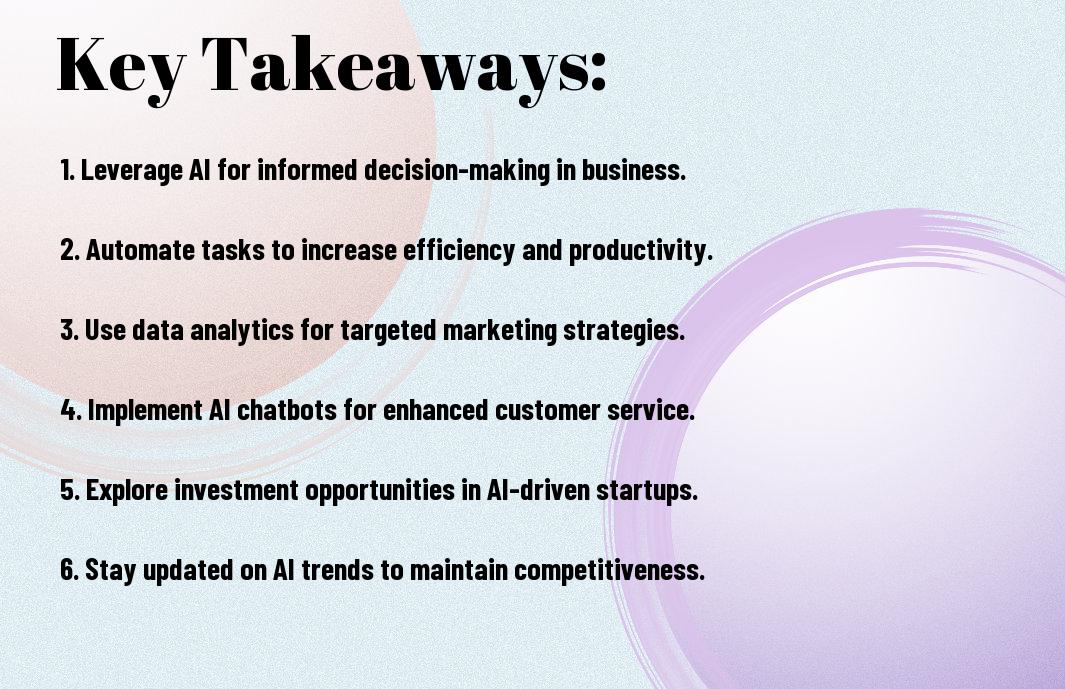
Key Takeaways:

  • The book “The Smart Entrepreneur’s Guide to AI and Wealth Creation” highlights the potential of artificial intelligence to transform businesses and create new wealth opportunities, emphasizing the importance of understanding AI’s capabilities and limitations to leverage its power effectively.
  • Entrepreneurs can apply AI to enhance their business operations, such as automating tasks, analyzing data, and making informed decisions, which can lead to increased efficiency, productivity, and competitiveness in the market.
  • By embracing AI and developing strategies to harness its potential, entrepreneurs can unlock new revenue streams, drive innovation, and achieve sustainable growth, ultimately leading to significant wealth creation and long-term success in their respective industries.

The AI Revolution in Business

A new era of innovation is unfolding, and you are at the forefront of this transformation, with AI revolutionizing the way you approach business and wealth creation.

Current AI Technologies Transforming Industries

Industrial sectors are being reshaped by AI, and you can leverage these advancements to enhance your operations, as AI-powered tools automate tasks and provide valuable insights to inform your decisions.

Market Opportunities in the AI Landscape

Currently, you have access to a vast array of AI-driven solutions that can help you capitalize on emerging trends and stay ahead of the competition, from chatbots to predictive analytics, and you can utilize these tools to optimize your business strategy.

And as you explore the market opportunities in the AI landscape, you will discover new avenues for growth, such as AI-powered marketing and customer service, which can help you build stronger relationships with your clients and establish a competitive edge in your industry, allowing you to make informed decisions and drive your business forward.

Strategic Implementation of AI

Even as you launch on leveraging AI for wealth creation, it’s important to have a well-thought-out strategy in place, ensuring that your implementation is both effective and efficient, yielding the desired outcomes for your business.

Identifying Business Processes for AI Enhancement

On the path to integrating AI, you’ll need to pinpoint areas where AI can enhance your business processes, streamlining operations and boosting productivity, allowing you to make informed decisions about where to focus your efforts.

Cost-Benefit Analysis of AI Integration

Identifying the potential costs and benefits of AI integration is vital, as you need to understand how this technology will impact your bottom line, and whether the advantages outweigh the expenses, enabling you to make a well-informed decision.

This cost-benefit analysis will help you determine which AI solutions are best suited for your business, taking into account factors such as the initial investment, maintenance costs, and potential return on investment, allowing you to prioritize your spending and maximize your ROI, and as you weigh the pros and cons, you’ll be able to create a tailored strategy that meets your unique needs and goals, ensuring that your AI integration is a success.

Building AI-Enhanced Products

For entrepreneurs looking to leverage AI, building AI-enhanced products is a key step. You can learn more about this topic by listening to Ep 36: An Entrepreneur’s Guide to ChatGPT, which provides valuable insights on AI integration.

Product Development Frameworks

For instance, you will need to consider various frameworks that can help you develop AI-enhanced products, such as design thinking and agile development, to ensure your product meets your customers’ needs.

Monetization Strategies

On the other hand, you will also need to think about how to monetize your AI-enhanced products, including subscription-based models, advertising, and data analytics.

Strategies for monetizing AI-enhanced products involve understanding your target audience and creating revenue streams that align with their needs, allowing you to generate wealth and grow your business sustainably, and you can achieve this by experimenting with different pricing models and revenue streams to find what works best for your product.

AI-Driven Marketing and Customer Acquisition

Not only can AI enhance your marketing efforts, but it can also help you acquire new customers and retain existing ones, leading to increased revenue and growth for your business.

Personalization at Scale

Customers expect tailored experiences, and AI can help you deliver, enabling you to create personalized marketing campaigns that resonate with your target audience and drive engagement.

Predictive Analytics for Market Trends

Before exploring into predictive analytics, you need to understand its potential to forecast market trends, allowing you to make informed decisions and stay ahead of the competition.

Consequently, as you explore predictive analytics for market trends, you will discover that it can help you identify patterns and anomalies in customer behavior, enabling you to adjust your marketing strategy and optimize your resources for maximum impact, ultimately driving your business forward and increasing your wealth.

Securing Investment for AI Ventures

Many entrepreneurs struggle to secure funding for their AI ventures, but with the right approach, you can increase your chances of success. You need to demonstrate a deep understanding of the AI landscape and a clear vision for your business.

Crafting the AI Business Case

Building a solid business plan is imperative, and you should focus on creating a compelling narrative that highlights the potential of your AI venture. You will need to outline your unique value proposition, target market, and revenue streams to attract investors.

Approaching AI-Focused Investors

Towards securing funding, you will need to identify and approach investors who have a track record of investing in AI startups. You should research their investment portfolios and tailor your pitch to showcase how your venture aligns with their interests.

Indeed, when approaching AI-focused investors, you should be prepared to address their concerns and questions about your business. You will need to provide detailed information about your technology, market potential, and competitive advantage, as well as a clear outline of how you plan to use their investment to drive growth and returns. By being thorough and transparent, you can build trust with potential investors and increase your chances of securing the funding you need to take your AI venture to the next level.

Risk Management in AI Entrepreneurship

To navigate the complexities of AI entrepreneurship, you must consider the potential risks involved. As you venture into this space, you’ll need to assess and mitigate risks to ensure the success of your business. This includes evaluating the potential impact of AI on your operations, finances, and reputation.

Ethical Considerations and Compliance

Among the key concerns you’ll face are ethical considerations and compliance issues. As you develop and implement AI solutions, you’ll need to ensure that they align with regulatory requirements and ethical standards, protecting your customers’ data and privacy.

Technological Obsolescence Prevention

Among the challenges you’ll encounter is the rapid evolution of AI technology, which can quickly render your solutions obsolete. You’ll need to stay up-to-date with the latest developments and innovations to remain competitive.

A key aspect of preventing technological obsolescence is investing in ongoing research and development, allowing you to adapt and evolve your AI solutions in response to changing market conditions and technological advancements. As you prioritize this, you’ll be better equipped to stay ahead of the curve and maintain a competitive edge in the AI landscape, ultimately protecting your business and ensuring long-term success.

Summing up

Taking this into account, you now have a comprehensive understanding of how to leverage AI for wealth creation. You can apply your knowledge to make informed decisions, driving your business forward. Your ability to harness AI’s potential will set you apart, enabling you to stay ahead in the competitive landscape and achieve your financial goals. You are equipped to unlock new opportunities and maximize your wealth creation potential.

FAQ

Q: What is “The Smart Entrepreneur’s Guide to AI and Wealth Creation” about?

A: “The Smart Entrepreneur’s Guide to AI and Wealth Creation” is a comprehensive guide designed for entrepreneurs who want to leverage Artificial Intelligence (AI) to create wealth and grow their businesses. This guide provides insights into the latest AI technologies, strategies for implementing AI in business operations, and methods for generating wealth through innovative AI-powered solutions.

Q: How can AI be applied in my business to increase efficiency and productivity?

A: AI can be applied in various aspects of your business to increase efficiency and productivity. For instance, AI-powered tools can automate repetitive tasks, enhance customer service through chatbots, improve data analysis for better decision-making, and optimize supply chain management. By integrating AI into your business operations, you can streamline processes, reduce costs, and enhance overall performance.

Q: What kind of wealth creation opportunities are available through AI?

A: AI presents numerous wealth creation opportunities for entrepreneurs. These include developing and selling AI-powered products or services, investing in AI startups, creating and licensing AI algorithms, and offering AI consulting services to other businesses. Additionally, AI can be used to create new business models, such as subscription-based services or data-as-a-service, further expanding the potential for wealth creation.

Q: Do I need to have a technical background to benefit from “The Smart Entrepreneur’s Guide to AI and Wealth Creation”?

A: No, you don’t need a technical background to benefit from this guide. “The Smart Entrepreneur’s Guide to AI and Wealth Creation” is designed to be accessible to entrepreneurs from all backgrounds. It provides a clear, non-technical introduction to AI and its applications in business, along with practical advice on how to get started with AI adoption and wealth creation strategies. The guide focuses on the business and strategic aspects of AI, making it useful for anyone interested in leveraging AI for business growth.

Q: How will “The Smart Entrepreneur’s Guide to AI and Wealth Creation” help me stay ahead of the competition in a rapidly changing business landscape?

A: “The Smart Entrepreneur’s Guide to AI and Wealth Creation” helps you stay ahead of the competition by providing you with the latest insights and strategies on AI adoption and wealth creation. The guide covers emerging trends in AI, best practices for AI implementation, and innovative approaches to creating wealth through AI. By following the guidance and strategies outlined in the book, you can position your business at the forefront of AI adoption, drive innovation, and achieve a competitive edge in the market.

Skip to content