simon weiner

Merging Creativity with Technology – AI and the Future of Entrepreneurship

As you navigate the evolving landscape of entrepreneurship, you’re likely considering how to harness the power of artificial intelligence (AI) to drive innovation. You can explore the intersection of creativity and technology, and how AI is revolutionizing the way you approach business. To learn more about this topic, you can visit Unleashing Creativity With AI | Berkeley Exec Ed to discover new insights on the future of entrepreneurship and how you can leverage AI to unlock your full potential.

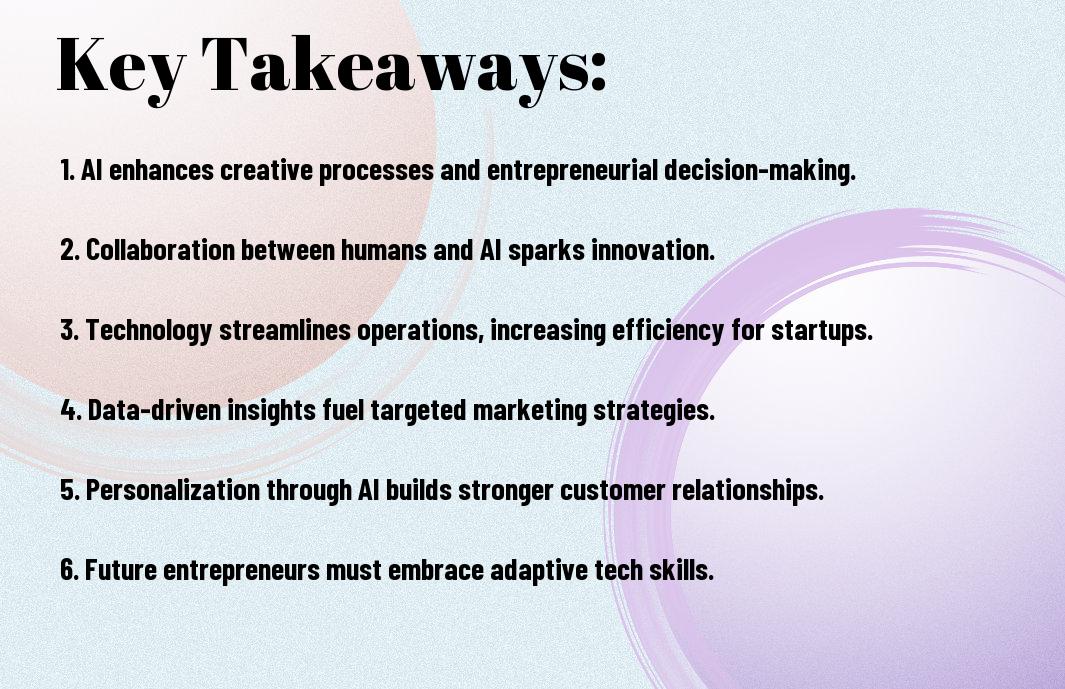
Key Takeaways:

  • Embracing AI technology can significantly enhance entrepreneurial ventures by automating routine tasks, analyzing large datasets, and providing insights that can inform business decisions, ultimately leading to increased efficiency and innovation.
  • The integration of AI in entrepreneurship enables the creation of personalized customer experiences, allowing businesses to tailor their products and services to meet specific needs and preferences, thereby fostering stronger customer relationships and loyalty.
  • American entrepreneur and futurist, Peter Diamandis, notes that the combination of human creativity and AI capabilities can lead to exponential growth and unprecedented opportunities for entrepreneurs, as AI can process and generate vast amounts of data, while human intuition and creativity can guide strategic decision-making.
  • As AI continues to advance, entrepreneurs will need to develop skills that complement AI, such as complex problem-solving, critical thinking, and emotional intelligence, in order to effectively leverage AI technology and drive business success.
  • The future of entrepreneurship will likely involve a symbiotic relationship between human creativity and AI, where entrepreneurs use AI as a tool to augment their innovative capabilities, leading to the development of novel products, services, and business models that can transform industries and revolutionize the way we live and work.
The Convergence of Human Creativity and AI

Before entering into the world of AI and entrepreneurship, you’ll notice that the lines between human creativity and technology are blurring, enabling you to innovate and disrupt industries in unprecedented ways, and as you explore this intersection, you’ll discover new opportunities for growth and development.

Defining the Creative-Technical Frontier

Above all, you’ll find that the creative-technical frontier is where your artistic vision meets technical expertise, allowing you to push boundaries and create something entirely new, and as you navigate this space, you’ll need to balance your creative instincts with technical capabilities.

Historical Parallels of Technological Revolution

Toward the beginning of your exploration, you’ll notice that the integration of AI into your workflow is not a new phenomenon, but rather part of a larger trend of technological advancements that have transformed industries and societies, and as you consider the implications of AI, you’ll see that it’s crucial to understand the historical context of technological innovation.

Historically, you’ve seen how technological revolutions have enabled you to automate tasks, streamline processes, and unlock new forms of creativity, and as you look to the future, you can apply these lessons to your own entrepreneurial endeavors, leveraging AI to drive growth, improve efficiency, and create innovative products and services that meet the evolving needs of your customers.

AI as the Entrepreneur’s New Canvas

Any entrepreneur looking to innovate and stay ahead of the curve must consider the potential of AI in their business strategy. You can leverage AI to generate new ideas, automate tasks, and gain valuable insights into your target market, allowing you to make informed decisions and drive your business forward.

Tools Reshaping Business Ideation

On the forefront of this revolution are AI-powered tools that can help you brainstorm and develop novel business concepts. You can utilize these tools to identify gaps in the market, analyze consumer trends, and create personalized products or services that meet the evolving needs of your customers.

Algorithmic Market Analysis

After implementing AI-driven market analysis, you can expect to gain a deeper understanding of your target audience and the competitive landscape. You will be able to analyze large datasets, identify patterns, and make predictions about future market trends, enabling you to adjust your business strategy accordingly.

Further, as you investigate deeper into algorithmic market analysis, you will discover that AI can help you segment your audience, track customer behavior, and measure the effectiveness of your marketing campaigns. You can use this information to refine your approach, optimize your resources, and ultimately drive business growth, giving you a competitive edge in the market and allowing you to achieve your entrepreneurial goals.

The Economics of AI-Enhanced Ventures

Not surprisingly, the integration of AI in your business ventures can significantly impact your financials, and understanding these dynamics is imperative for your success in the entrepreneurial landscape.

Cost Structures in the Age of Automation

Around the time you start incorporating AI into your operations, you’ll notice changes in your cost structures, particularly in labor and operational costs, which can be significantly reduced, allowing you to allocate resources more efficiently.

Scaling Without Traditional Constraints

Ventures that leverage AI can scale more rapidly and with greater ease than traditional businesses, as AI can handle a vast amount of data and processes, enabling you to expand your reach and customer base without being held back by conventional limitations.

Due to the scalability and efficiency AI offers, you can focus on developing innovative strategies and products, knowing that the backend of your operations is being managed effectively, thus allowing your business to grow exponentially and stay competitive in the market, giving you a significant edge over your competitors.

Ethical Considerations in AI Entrepreneurship

All entrepreneurs must consider the ethical implications of AI in their business ventures, as it can significantly impact your decisions and outcomes. You need to be aware of the potential consequences of AI on your customers, employees, and the environment.

Accountability in Automated Decision-Making

On the path to integrating AI, you will encounter challenges in assigning accountability for automated decisions, and you must establish clear guidelines to ensure transparency and trust in your AI systems.

Preserving Human Value in Technological Solutions

One of the key aspects of AI entrepreneurship is preserving human value in technological solutions, and you should strive to create systems that complement human capabilities, rather than replacing them, to ensure that your business remains humane and customer-centric.

But as you examine deeper into preserving human value, you will find that it requires a delicate balance between leveraging AI’s efficiency and maintaining the emotional and social aspects that make your business relatable and engaging to your customers, and you must be prepared to make informed decisions that prioritize human value in your technological solutions.

Preparing the Entrepreneurial Mind for AI Collaboration

Now that you’re venturing into AI, it’s important to adjust your mindset to effectively collaborate with these technologies, leveraging your unique strengths as a human entrepreneur to drive innovation and growth in your business.

New Skills for the AI-Augmented Founder

Beneath the surface of AI integration lies a need for you to acquire skills that complement machine learning, such as data interpretation, strategic thinking, and creativity, enabling you to make the most out of your collaboration with AI systems.

The Psychology of Human-Machine Teamwork

By embracing the concept of human-machine collaboration, you’ll need to understand how your mindset and that of your team must adapt to work seamlessly with AI, fostering an environment of trust and mutual enhancement between human intuition and machine precision.

With this understanding, you can navigate the complexities of human-AI collaboration more effectively, recognizing that your role as an entrepreneur is not only to manage technology but to inspire and guide your team in harnessing the full potential of AI to achieve your business goals, creating a harmonious and productive work environment that values both human ingenuity and machine capability.

Regulatory Horizons and Business Strategy

Keep in mind that as you navigate the intersection of AI and entrepreneurship, regulatory frameworks will play a significant role in shaping your business strategy, and understanding these horizons is vital for your success.

Navigating the Evolving Legal Landscape

Around the globe, laws and regulations regarding AI are constantly changing, and you must stay informed to ensure your business remains compliant and competitive in this evolving landscape.

Competitive Advantage Through Compliance

Below the surface of regulatory requirements lies an opportunity for you to gain a competitive advantage by not only meeting but exceeding compliance standards, thereby enhancing your reputation and trust with customers.

Plus, by prioritizing compliance and investing in the necessary infrastructure, you can mitigate potential risks and focus on driving innovation, which can lead to increased efficiency, improved decision-making, and ultimately, a stronger market position, allowing you to stay ahead of the curve in the rapidly changing world of AI-driven entrepreneurship.

Conclusion

So, as you initiate on your entrepreneurial journey, you will find that merging creativity with technology, particularly AI, will be imperative to your success. You will be able to automate tasks, enhance your products, and make data-driven decisions, giving you a competitive edge. Your ability to adapt and innovate will be key to staying ahead in the market, and embracing AI will be vital to your growth and prosperity.

FAQ

Q: What role will Artificial Intelligence (AI) play in the future of entrepreneurship, and how will it impact creative industries?

A: AI is poised to revolutionize the future of entrepreneurship by automating routine tasks, enhancing decision-making processes, and unlocking new avenues for innovation. In creative industries, AI will augment human capabilities, enabling artists, designers, and writers to focus on high-level creative decisions while AI handles more mundane aspects of their work. This synergy between human creativity and AI-driven technology will lead to unprecedented levels of productivity and innovation, giving rise to new business models, products, and services that we cannot yet imagine.

Q: How can entrepreneurs effectively merge creativity with technology to stay ahead in the competitive market, and what skills do they need to acquire?

A: To successfully merge creativity with technology, entrepreneurs need to develop a multidisciplinary approach, combining artistic vision with technical expertise. They should acquire skills in areas such as data analysis, machine learning, and programming, as well as stay updated on the latest trends and advancements in AI and related technologies. Furthermore, fostering a culture of experimentation, continuous learning, and collaboration with experts from diverse backgrounds will be important. By doing so, entrepreneurs can harness the power of technology to amplify their creative potential, drive innovation, and create unique value propositions that differentiate them in the market.

Q: What are the potential risks and challenges associated with relying on AI in entrepreneurship, and how can these be mitigated to ensure sustainable and ethical business practices?

A: While AI offers immense opportunities for entrepreneurship, it also poses risks such as job displacement, bias in decision-making algorithms, and potential privacy and security breaches. To mitigate these risks, entrepreneurs must prioritize ethical considerations, ensuring that AI systems are designed and deployed in ways that are transparent, fair, and respectful of human rights. This includes investing in AI literacy, implementing robust governance and compliance frameworks, and fostering a culture of accountability and continuous monitoring. By adopting a responsible and sustainable approach to AI integration, entrepreneurs can minimize the negative impacts and maximize the benefits of merging creativity with technology, contributing to a future where innovation and ethics go hand in hand.

Disrupting Markets – AI Strategies for Outpacing Competitors and Building Wealth

You are on the cusp of a revolution in business, where artificial intelligence (AI) is transforming the landscape. As you navigate this new terrain, you can leverage AI to outmaneuver your competitors and build wealth. Your ability to adapt and innovate will be key to staying ahead, and with the right AI strategies, you can disrupt markets and achieve unparalleled success. You will learn how to harness AI’s power to drive your business forward.

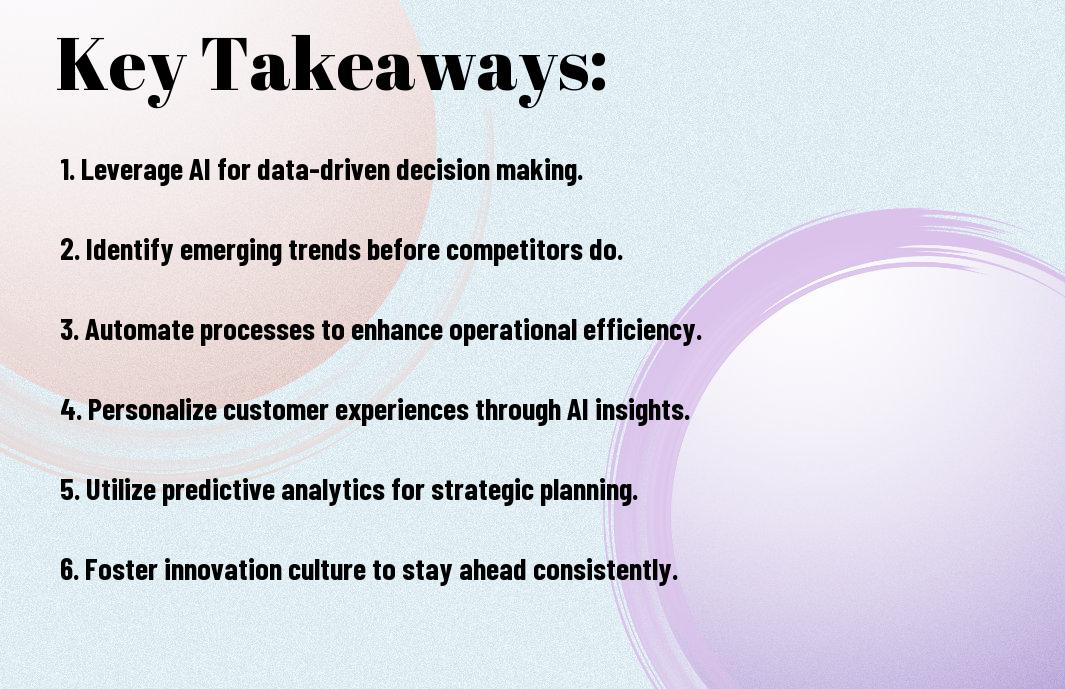
Key Takeaways:

  • Embracing AI can be a significant factor in outpacing competitors, as it enables businesses to innovate and improve their operations, leading to increased efficiency and profitability.
  • Implementing AI strategies requires a deep understanding of the technology and its potential applications, as well as a willingness to experiment and adapt to changing market conditions.
  • AI can help businesses identify and capitalize on new market opportunities, such as emerging trends and untapped customer needs, allowing them to stay ahead of the competition.
  • Effective AI strategies involve integrating the technology into existing business processes, rather than treating it as a separate entity, to maximize its potential impact and create a competitive advantage.
  • By leveraging AI, businesses can build wealth and drive long-term growth, but this requires a strategic and sustained commitment to innovation and investment in the technology.

The AI Revolution in Market Dynamics

To stay ahead in today’s fast-paced business landscape, you need to understand the impact of AI on market dynamics. You will learn how AI strategies can help you outpace competitors and build wealth.

Creative Destruction and Market Inefficiencies

Revamping traditional market structures, AI introduces new opportunities for growth. You can leverage AI to identify and capitalize on market inefficiencies, giving you a competitive edge.

The Exponential Advantage

Accelerating your business growth, AI provides an exponential advantage. You can utilize AI to analyze vast amounts of data, make informed decisions, and drive innovation.

It is necessary to recognize that the exponential advantage of AI is not just about technology, but about how you choose to apply it to your business. You can use AI to automate routine tasks, freeing up resources for more strategic initiatives, and enabling you to focus on high-value activities that drive growth and profitability. By harnessing the power of AI, you can unlock new opportunities, disrupt markets, and build wealth.

Strategic AI Implementation

Any successful AI strategy begins with a clear understanding of your business goals and objectives. You need to identify areas where AI can have the greatest impact and develop a roadmap for implementation. This involves assessing your current infrastructure, data assets, and talent pool to determine the best approach for integrating AI into your operations.

Algorithmic Decision-Making Frameworks

Around the development of AI, you’ll need to establish frameworks that support algorithmic decision-making. You should consider how AI will inform your business decisions and develop processes to ensure that AI-driven insights are integrated into your decision-making workflows.

Predictive Analytics as Competitive Moat

Between the various AI strategies you can employ, predictive analytics stands out as a key differentiator. You can use predictive analytics to forecast market trends, anticipate customer behavior, and identify new business opportunities, giving you a significant edge over your competitors.

Moat of predictive analytics is what sets your business apart from others, providing a sustainable competitive advantage. You can leverage predictive analytics to optimize your operations, improve customer engagement, and drive revenue growth, making it an necessary component of your AI strategy. As you develop your predictive analytics capabilities, you’ll be able to make more informed decisions and stay ahead of the competition.

Data as the New Capital

Keep in mind that data is the lifeblood of any successful AI strategy, and having access to the right information can be a major differentiator in outpacing your competitors.

Proprietary Data Ecosystems

Driven by the need for unique insights, you will need to develop proprietary data ecosystems that provide your business with a competitive edge, enabling you to make informed decisions and drive growth.

Mining Behavioral Insights

Albeit complex, mining behavioral insights from your data can help you better understand your customers and develop targeted strategies to meet their needs, ultimately driving business success.

Even as you probe deeper into the world of data analysis, you will find that mining behavioral insights can help you identify patterns and trends that may not be immediately apparent, allowing you to refine your approach and make more informed decisions about your business, giving you a significant advantage over your competitors and enabling you to build wealth in the process.

AI-Driven Business Models

Unlike traditional business models, AI-driven models focus on leveraging artificial intelligence to create new revenue streams and disrupt markets, allowing you to outpace your competitors and build wealth.

Platform Economics and Network Effects

Akin to a snowball effect, platform economics and network effects can help your business grow exponentially, as more users join your platform, increasing its value and attracting even more users, ultimately benefiting your bottom line.

Subscription and Recurring Revenue Structures

At the heart of many successful AI-driven businesses are subscription and recurring revenue structures, which provide you with a steady stream of income and encourage customer loyalty, allowing you to focus on innovating and expanding your offerings.

Effects of implementing subscription and recurring revenue structures can be significant, as you’ll be able to better predict your cash flow, invest in new technologies, and respond to changing market conditions, giving you a competitive edge and enabling you to achieve your business goals more efficiently.

Risk Management in AI Deployment

Once again, you will need to consider the potential risks associated with AI deployment, as they can have a significant impact on your business. You must assess and mitigate these risks to ensure successful AI integration and maintain a competitive edge.

Technical Debt and System Vulnerabilities

Along with the benefits of AI, you will also encounter technical challenges that can lead to system vulnerabilities. You should be aware of these potential issues and take steps to address them, ensuring the security and reliability of your AI systems.

Regulatory Navigation and Ethical Considerations

Risky AI deployments can lead to regulatory issues and ethical concerns. You must navigate these complexities to avoid potential pitfalls and ensure your AI systems are compliant with relevant laws and regulations.

Ethical considerations are paramount when deploying AI, as you will be dealing with sensitive data and making decisions that can impact your customers and business. You should prioritize transparency, fairness, and accountability in your AI systems, ensuring that they align with your values and principles, and those of your stakeholders, to build trust and maintain a positive reputation.

Talent Acquisition and Development

For businesses seeking to outpace competitors, acquiring and developing top AI talent is necessary. You need to attract and retain skilled professionals who can drive innovation and growth in your organization.

Building High-Performance AI Teams

Alongside assembling a talented team, you should focus on creating an environment that fosters collaboration and creativity, allowing your team to thrive and drive your AI strategy forward.

Cultivating Institutional Knowledge

Developing a deep understanding of AI and its applications within your organization is vital. You can achieve this by investing in training and development programs that enhance your team’s skills and knowledge.

Talent acquisition is just the first step in building a successful AI team. As you cultivate institutional knowledge, you will be able to leverage your team’s expertise to drive business growth, improve decision-making, and stay ahead of the competition, allowing you to make the most of your AI investments and achieve your business goals.

Final Words

Considering all points, you now have the tools to disrupt markets and outpace competitors. You can leverage AI strategies to build wealth and stay ahead. To succeed, you must prioritize speed and agility, as In the age of AI: Speed matters more, scale matters less. By embracing this mindset, you will be well-equipped to drive innovation and achieve your business goals.

FAQ

Q: What is the main concept of “Disrupting Markets – AI Strategies for Outpacing Competitors and Building Wealth” and how can it help businesses?

A: The main concept of “Disrupting Markets – AI Strategies for Outpacing Competitors and Building Wealth” revolves around leveraging Artificial Intelligence (AI) to innovate and disrupt existing market dynamics, thereby outpacing competitors and creating new wealth opportunities. This approach focuses on utilizing AI technologies to analyze market trends, predict consumer behavior, and develop innovative products and services that meet evolving customer needs. By adopting AI strategies, businesses can enhance their competitiveness, improve operational efficiency, and unlock new revenue streams, ultimately leading to sustained growth and wealth creation.

Q: How can small and medium-sized enterprises (SMEs) implement AI strategies to disrupt markets and compete with larger corporations?

A: SMEs can implement AI strategies to disrupt markets by starting with accessible and affordable AI solutions that address specific business challenges. This can include adopting cloud-based AI services, leveraging open-source AI tools, and collaborating with AI startups or research institutions. SMEs should focus on developing a clear understanding of their customer needs and market trends, and then apply AI to enhance customer engagement, improve operational efficiency, and develop innovative products or services. Additionally, SMEs can explore emerging AI technologies like machine learning and natural language processing to analyze customer data, predict market trends, and make informed business decisions. By taking a strategic and incremental approach to AI adoption, SMEs can effectively compete with larger corporations and disrupt markets.

Q: What are the potential risks and challenges associated with implementing AI strategies to disrupt markets, and how can businesses mitigate them?

A: The potential risks and challenges associated with implementing AI strategies to disrupt markets include data privacy and security concerns, job displacement, and the need for significant investments in AI talent and infrastructure. To mitigate these risks, businesses should prioritize transparency and accountability in their AI adoption, ensuring that they comply with relevant data protection regulations and maintain the trust of their customers and stakeholders. Businesses should also invest in retraining and upskilling their workforce to work effectively with AI systems, and develop strategies to address potential job displacement. Furthermore, businesses should adopt a phased approach to AI adoption, starting with small-scale pilots and gradually scaling up their AI initiatives to minimize risks and maximize returns on investment. By being aware of these challenges and taking proactive steps to address them, businesses can successfully navigate the risks associated with AI adoption and achieve their goals of disrupting markets and building wealth.

What are the key factors that influence horse race outcomes

Over the course of a horse race, many factors come into play that can ultimately determine the outcome. As a keen observer, you must consider variables such as the horse’s breed, jockey’s skill, track conditions, and even the horse’s health and training regimen. Understanding these key factors can help you make more informed decisions when placing your bets and increase your chances of picking a winning racehorse.

Key Takeaways:

  • Jockey Skill: The skill and experience of the jockey play a significant role in horse race outcomes.
  • Horse Health and Fitness: The physical condition of the horse, including health and fitness level, can greatly influence race performance.
  • Track Conditions: The condition of the racetrack, such as weather, surface type, and track distance, can impact the outcome of a horse race.

Horse Breeding and Genetics

Bloodlines and Pedigree

The bloodline and pedigree of a horse play a significant role in determining its racing potential. Horse racing enthusiasts often closely examine a horse’s pedigree to assess its genetic makeup and predict its performance on the track. Horses with strong bloodlines from successful racehorses are more likely to inherit desirable traits such as speed, stamina, and agility.

Genetic Predispositions to Speed and Endurance

Horse pedigrees can provide valuable insights into a horse’s genetic predispositions to speed and endurance. Certain bloodlines are known for producing horses with exceptional speed, while others are renowned for their endurance capabilities. By studying the genetic history of a horse, you can gain a better understanding of its natural strengths and weaknesses as a racehorse.

Plus:

Understanding the genetic predispositions of a horse can help you make informed decisions when it comes to selecting a racehorse or breeding for specific traits. By analyzing the horse’s pedigree and bloodlines, you can determine the likelihood of it excelling in sprint races or longer distance events. This knowledge can give you a competitive edge when it comes to horse racing.

Training and Conditioning

One crucial aspect that influences horse race outcomes is the training and conditioning of the horses.

Exercise Regimens and Fitness Levels

Fitness plays a significant role in determining how well a horse performs on the racetrack. Horses that are put through rigorous exercise regimens and maintained at high fitness levels are more likely to have the stamina and speed needed to compete at the highest levels. Trainers work tirelessly to develop customized training programs tailored to each horse’s needs to ensure they are in optimal physical condition for race day.

Mental Preparation and Focus

To excel in horse racing, mental preparation and focus are just as vital as physical conditioning. A horse that is mentally well-prepared and focused on the task at hand is more likely to make split-second decisions that can mean the difference between winning and losing. Trainers and jockeys work together to ensure that the horses are calm, confident, and ready to perform to the best of their abilities on race day.

Mental preparation involves getting the horse accustomed to the sights and sounds of the racetrack, as well as teaching them to stay calm in the chaotic environment of a race. It also includes developing a strong bond between the horse and the jockey, as trust and communication between the two are necessary for success on the track.

Jockey Experience and Skill

Now, when it comes to horse racing outcomes, the jockey’s experience and skill play a crucial role in determining the results of the race. According to The Perils of More Data, seasoned jockeys bring a wealth of knowledge and expertise to each race, allowing them to make split-second decisions that can make all the difference in the outcome.

Riding Style and Technique

Jockey’s riding style and technique can significantly impact the performance of a horse during a race. The way a jockey handles the reins, communicates with the horse, and positions themselves in the saddle can all influence how well the horse responds and ultimately performs on the track.

Strategic Decision-Making During the Race

On the other hand, strategic decision-making during the race is another vital aspect of a jockey’s skill set. Jockeys must assess the competition, track conditions, and their horse’s stamina to make informed decisions on when to push for a lead, when to conserve energy, and when to make strategic moves to secure a win.

For instance, a jockey might choose to stay behind the pack to avoid tiring out their horse too early in the race, only to make a decisive move in the final stretch to surge ahead and claim victory. These strategic decisions require a deep understanding of the sport, the horses, and the dynamics of the race itself.

Track Conditions and Course Layout

Despite the skill and athleticism of the horses and jockeys, other factors can heavily influence the outcome of a horse race. One crucial factor is the track conditions and course layout.

Surface Type and Weather Conditions

The surface type of the track, whether it’s dirt, turf, or synthetic, can significantly impact how a horse performs. Additionally, weather conditions such as rain can alter the track’s surface, making it either muddy or slippery. These factors can either benefit or hinder certain horses depending on their running style and preferences.

Course Length and Obstacles

Conditions such as course length and the presence of obstacles like jumps or tight turns can also play a vital role in determining the race outcome. A horse that excels in sprint races may not perform as well in longer distances, and vice versa. Likewise, some horses may struggle with navigating sharp turns or jumping over hurdles, affecting their overall performance.

An understanding of how these factors can impact a race is crucial when handicapping and predicting outcomes. By considering the track conditions and course layout, you can better assess which horses are likely to thrive in a particular race setting, giving you an edge when placing your bets.

Equipment and Technology

All horse racing equipment and technology play a vital role in influencing race outcomes. From saddle and bridle design to advanced analytics and data tracking, every element can make a significant difference in a horse’s performance on the track.

Saddle and Bridle Design

An crucial aspect of horse racing is the design of the saddle and bridle. The proper fit and style of these pieces of equipment can impact the horse’s comfort and performance during the race. A well-designed saddle and bridle can help the jockey maintain control and communicate effectively with the horse, leading to a smoother and more successful race.

Advanced Analytics and Data Tracking

Tracking and analyzing data is becoming increasingly important in horse racing. Advanced analytics and data tracking tools provide valuable insights into a horse’s performance, training routines, and even track conditions. By utilizing these technological advancements, trainers and jockeys can make more informed decisions to optimize performance and increase their chances of winning races.

  1. Benefits of Advanced Analytics and Data Tracking:

    Improved Performance Enhanced Training Strategies
    Optimized Race-Day Decisions Enhanced Communication Between Team Members

Nutrition and Health

Once again, when it comes to factors influencing horse race outcomes, nutrition and health play a crucial role. A well-balanced diet and proper health care regimen are imperative for ensuring that your horse is in prime condition for racing.

Dietary Regimens and Supplements

An appropriate dietary regimen tailored to your horse’s needs can significantly impact its performance on the track. High-quality hay, grains, and supplements rich in imperative nutrients can help improve your horse’s overall health and stamina. Consult with a professional equine nutritionist to determine the best diet plan for your horse based on its individual needs and the specific demands of horse racing.

Injury Prevention and Recovery Strategies

Prevention is key when it comes to keeping your horse in optimal condition for racing. Implementing injury prevention strategies such as regular exercise, proper warm-up and cool-down routines, and regular veterinary check-ups can help reduce the risk of injuries that may derail your horse’s racing career.

Recovery plays a crucial role in the health and performance of your horse. In the event that your horse does sustain an injury, it is important to follow a structured recovery plan outlined by your veterinarian. This may include rest, rehabilitation exercises, and proper medication to ensure that your horse fully recovers and is ready to return to the track.

Summing up

As a reminder, when it comes to horse race outcomes, there are several key factors that play a crucial role. Factors such as the horse’s form, jockey’s skill, track conditions, distance, and race class are all important considerations that can significantly influence the outcome of a race. By carefully assessing and understanding these factors, you can make more informed decisions when it comes to betting on horse races.

FAQ

Q: What are some key factors that influence horse race outcomes?

A: Some key factors that can influence horse race outcomes include the horse’s breed, age, training, jockey skills, track conditions, previous performance, and overall health.

Q: How does a horse’s breed affect its performance in a race?

A: Different horse breeds are bred for specific purposes, such as speed, endurance, or agility. This can influence their performance in a race, with some breeds naturally excelling in certain types of races like sprints or long-distance events.

Q: What role do jockeys play in determining the outcome of a horse race?

A: Jockeys are skilled riders who can influence the outcome of a race through their strategic decisions, riding techniques, and ability to connect with the horse. A jockey’s experience, tactics, and communication with the horse can all play a significant role in determining the race’s outcome.

How can historical race data be used to predict future horse race results

It’s fascinating to uncover how historical race data can assist in foreseeing future horse race outcomes. By delving into past performances, you can unravel patterns, trends, and insights that may hold the key to predicting winners. If you’re intrigued by the intersection of data analysis and horse racing, look into this informative study on Horse Race Results Prediction Using Machine Learning and discover the intriguing world of data-driven race predictions.

Key Takeaways:

  • Historical race data can provide valuable insights: Studying past horse race results can help identify patterns, trends, and factors that may influence future performances.
  • Data analysis and statistical models play a crucial role: Utilizing advanced analytical tools and algorithms can help in predicting potential outcomes based on historical race data.
  • Continuous refinement and adaptation are necessary: Due to the unpredictable nature of horse racing, it is important to constantly update models and strategies based on new data and evolving trends.

The Significance of Historical Race Data

The Importance of Past Performance

Before delving into how historical race data can be used to predict future outcomes, it is important to understand the significance of past performance. Research conducted by Priyanka Selvaraj on Predicting The Outcome Of The Horse Race Using Data reveals that past performances of horses in races provide valuable insights into their potential success in upcoming events. By analyzing factors such as track conditions, jockey performance, and previous race results, you can gain a clearer understanding of which horses are likely to excel in future races.

Identifying Patterns and Trends

Significance lies in the ability to identify patterns and trends within historical race data. It is through the analysis of past race results that you can uncover recurring themes and behaviors that may indicate future success. By examining factors such as winning streaks, performance on specific track types, and success rates under various conditions, you can start to recognize patterns that may influence the outcomes of future races.

It is fascinating to see how certain horses consistently perform well in specific conditions or against particular competitors. By recognizing these patterns, you can make more informed predictions about which horses are likely to outperform the competition in upcoming races. This insight allows you to make strategic decisions when placing bets, increasing your chances of success in horse race predictions.

Analyzing Historical Data

The How can a computer predict the result of a horse race? article explains how historical race data is crucial in predicting future horse race results. By analyzing past performances, you can gain valuable insights into a horse’s capabilities and tendencies on the track. This data-driven approach allows you to make more informed decisions when placing your bets.

Types of Data to Collect

For analyzing historical race data, you need to collect various types of data related to each horse, jockey, track conditions, and race outcomes. By carefully examining this information, you can identify patterns and trends that may impact future race results. Any successful prediction model requires a comprehensive dataset to draw accurate conclusions.

Category Examples
Horse Information Age, Breed, Health Records
Jockey Details Experience, Win Percentage
Track Conditions Surface Type, Weather, Time of Day
Race Outcomes Final Placement, Time, Margin of Victory

Data Mining Techniques

The process of data mining involves extracting valuable insights from large datasets to identify meaningful patterns and relationships. By utilizing advanced algorithms and statistical models, you can uncover hidden trends that may not be apparent at first glance. These techniques help you make more accurate predictions based on historical data.

Another important aspect of data mining is feature selection, where you choose the most relevant variables that contribute to predicting race outcomes. By focusing on key data points and eliminating irrelevant information, you can improve the accuracy of your predictive models. Additionally, regularization techniques can help prevent overfitting and ensure your model generalizes well to new data.

Avoiding Biases and Errors

Techniques such as cross-validation and outlier detection are crucial for avoiding biases and errors in your predictive models. By testing the performance of your model on unseen data and identifying and correcting outliers that may skew your results, you can improve the reliability of your predictions. It is crucial to constantly refine your algorithms and validate your findings to ensure the accuracy of your predictions.

Analyzing historical race data with advanced data mining techniques can help you uncover valuable insights that can be used to predict future horse race results more accurately. By collecting diverse datasets, applying sophisticated algorithms, and refining your models to avoid biases, you can enhance your predictive capabilities and increase your chances of success at the racetrack.

Identifying Key Performance Indicators

Speed Figures and Time Analysis

Indicators like speed figures and time analysis are crucial in predicting future race results. By examining a horse’s past performances in terms of speed and time, you can gauge its potential to perform well in upcoming races. Speed figures provide a numerical representation of a horse’s speed performance in previous races, while time analysis helps you understand how a horse’s time compares to others in similar conditions.

Jockey and Trainer Performance

Performance of jockeys and trainers play a significant role in determining race results. A skilled jockey who knows how to handle a horse effectively can greatly impact its performance on the track. Likewise, a successful trainer can condition a horse to peak performance. When analyzing historical data, pay close attention to the track record of both the jockey and the trainer to gain insights into how they might influence the outcome of future races.

Plus, consider factors such as the jockey-trainer combination. Some jockeys and trainers work exceptionally well together, forming a winning partnership that can increase the chances of success on race day. By identifying these strong partnerships in historical data, you can make more informed predictions about which horses are likely to perform well in upcoming races.

Track and Distance Considerations

To accurately predict race results, you must take into account the specific track and distance considerations. Different horses have varying strengths and preferences when it comes to track conditions and race distances. By studying historical race data, you can identify patterns in how horses perform on specific tracks and at different distances, allowing you to make more precise predictions for future races.

The track itself can have a significant impact on a horse’s performance. Some horses excel on firm, dry tracks, while others perform better on wet or muddy surfaces. Understanding how different tracks affect horse performance can give you a valuable edge when predicting race outcomes.

Creating a Predictive Model

Statistical Analysis and Regression

Creating a predictive model for horse race results involves a deep examine statistical analysis and regression techniques. By examining historical race data, you can identify patterns and relationships that can help predict future outcomes. Regression analysis allows you to quantify the impact of various factors such as jockey performance, track conditions, and horse pedigree on race results.

Machine Learning Algorithms

Statistical models alone may not be sufficient to capture the complexity of horse racing. Machine learning algorithms offer a more sophisticated approach to predictive modeling by leveraging data patterns and making accurate predictions. Algorithms like Random Forest, Gradient Boosting, and Neural Networks can analyze vast amounts of data to forecast race results with high precision.

Machine learning algorithms can adapt and improve over time as they process new data, making them valuable tools for predicting horse race outcomes. By continuously updating the model with the latest race results and performance metrics, you can enhance its predictive capabilities and stay ahead of the competition.

Predictive Integrating Multiple Factors

Predictive modeling in horse racing goes beyond individual factors and involves integrating multiple variables to improve accuracy. Factors such as horse speed, jockey experience, weather conditions, and track history all play a significant role in determining race results. By considering a combination of these factors, you can build a more robust predictive model that accounts for various influences.

  • Analyzing the interactions between different factors can reveal hidden correlations and insights that drive race outcomes.
  • Though individual factors are important, it is the combination and interactions among them that truly enhance the predictive power of your model.

The integration of multiple factors in your predictive model allows you to capture the complexity of horse racing and make more accurate predictions. By weighing each factor’s importance and understanding how they intersect, you can develop a comprehensive model that increases your chances of success in predicting race results.

  • When integrating multiple factors, it’s imperative to prioritize those that have the most significant impact on race outcomes to refine the accuracy of your predictions.
  • Though individual factors are crucial, the synergy among them determines the effectiveness of your predictive model in the competitive world of horse racing.

Validating the Model

Backtesting and Historical Simulation

For a predictive model based on historical race data, backtesting and historical simulation are crucial steps to validate its accuracy. Backtesting involves testing the model against past data to see how well it would have predicted actual race outcomes. By simulating the model with historical data, you can assess its performance and reliability in predicting race results.

Evaluating Model Performance

Model evaluation is vital to ensure the accuracy and effectiveness of your predictive model. By analyzing metrics such as precision, recall, and F1 score, you can determine how well the model performs in predicting race outcomes. Additionally, you can use techniques like cross-validation to assess the model’s generalizability and robustness across different datasets.

Performance evaluation is an ongoing process that requires monitoring and fine-tuning the model to improve its predictive capabilities continually. By regularly assessing the model’s performance metrics and making adjustments as needed, you can enhance its accuracy and reliability in predicting future horse race results.

Refining the Model through Iteration

Model refinement through iteration involves continuously improving the predictive model based on feedback from its performance in predicting race outcomes. By analyzing the model’s strengths and weaknesses, you can make targeted adjustments to enhance its accuracy and efficiency. Iterative refinement allows you to adapt the model to changing race dynamics and improve its predictive power over time.

Understanding the importance of iterative refinement in model development is key to building a reliable and effective predictive model for horse race results. By incorporating feedback and continuously optimizing the model, you can create a robust predictive tool that helps you make informed decisions when betting on horse races.

Limitations and Challenges

Dealing with Incomplete or Inaccurate Data

To effectively use historical race data to predict future horse race results, you must be prepared to deal with incomplete or inaccurate data. In the world of horse racing, not all data points are perfect, and some may be missing or incorrect. This can pose a significant challenge when trying to generate accurate predictions based on historical trends and patterns.

Accounting for Intangible Factors

When using historical race data to predict future outcomes, you must also account for intangible factors that may affect race results. These factors, such as the condition of the track, the health of the horses, or even the jockey’s mindset on race day, can all play a crucial role in determining the outcome of a race. Any overlooking of these intangible factors could lead to flawed predictions and unreliable results.

  • Incomplete or inaccurate historical race data may lead to unreliable predictions.
  • Ignoring intangible factors can result in flawed race predictions.

This brings us to the importance of considering these intangible factors when analyzing historical race data. By taking into account variables beyond just the statistics and figures, you can paint a more comprehensive picture of the races and make more informed predictions. Any oversight in this area could potentially skew your predictions and lead to inaccurate results.

Staying Ahead of Changing Circumstances

Data in horse racing is constantly evolving, with new information and trends emerging regularly. To stay ahead of changing circumstances, you must continuously update and adapt your analysis methods. By regularly incorporating new data and staying informed about the latest developments in the horse racing world, you can enhance the accuracy of your predictions and maintain a competitive edge.

Accounting for these changes and evolving circumstances is crucial in ensuring the reliability of your predictions. By staying vigilant and adaptable in your approach to analyzing historical race data, you can improve the precision and effectiveness of your predictions moving forward.

Summing up

To wrap up, historical race data can be a valuable tool in predicting future horse race results. By studying past performances, analyzing track conditions, jockey and trainer statistics, you can gain insights that can help you make more informed betting decisions. However, it’s crucial to remember that horse racing is unpredictable, and there are always factors beyond historical data that can influence the outcome of a race. By using historical race data as one of many tools in your betting strategy, you can increase your chances of success in the exciting world of horse racing.

Q: How can historical race data be used to predict future horse race results?

A: Historical race data can be used to analyze a horse’s performance in past races, including factors such as race distance, track conditions, jockey performance, and competition level. By identifying patterns and trends in a horse’s past performances, bettors can make more informed predictions about its potential performance in future races.

Q: What are some key indicators in historical race data that can help predict future race results?

A: Some key indicators in historical race data that can help predict future race results include a horse’s past finishing positions, speed figures, average race times, jockey-trainer combinations, and track biases. By analyzing these indicators, bettors can gain insights into a horse’s strengths and weaknesses and make more accurate predictions about its performance in upcoming races.

How reliable is historical race data in predicting future race results?

A: While historical race data can provide valuable insights into a horse’s performance and help bettors make more informed predictions, it is important to remember that horse racing is a complex and unpredictable sport. Factors such as injuries, track conditions, and unexpected race incidents can all impact a horse’s performance on race day. Therefore, while historical race data can be a useful tool in handicapping races, it should be used in conjunction with other factors such as current form, trainer patterns, and track conditions to make more accurate predictions.

What role do jockeys play in horse race predictions

Many factors influence the outcome of a horse race, and one key element is the jockey. When considering predicting the winner, you must consider the jockey’s skill, experience, and relationship with the horse. Your understanding of the jockey’s role can significantly impact your race predictions. Let’s investigate into the world of horse racing and explore the crucial role that jockeys play in determining the outcome of races.

Key Takeaways:

  • Impact on performance: Jockeys play a crucial role in horse race predictions as their skills, tactics, and intuition can significantly impact the performance of the horse.
  • Knowledge of horses: Jockeys spend a lot of time working closely with horses, allowing them to develop a deep understanding of the horses’ strengths, weaknesses, and behaviors, which can be invaluable in making race predictions.
  • Risk management: Jockeys are responsible for navigating the race, making split-second decisions, and managing risks during the race, all of which can greatly influence the outcome and ultimately the accuracy of race predictions.

The Importance of Jockeys in Horse Racing

Before delving into the intricacies of horse racing prediction, it’s imperative to recognize the pivotal role that jockeys play in determining the outcome of a race. According to a study on Horse racing prediction using graph-based features – ThinkIR, jockeys bring a unique set of expertise and experience to the track that can significantly impact the results.

Their Expertise and Experience

Any successful horse racing prediction takes into account the jockey’s skill level and knowledge of the sport. Experienced jockeys understand how to position their horses for the best possible outcome, navigating the track and making split-second decisions that can make or break a race. Their ability to read the dynamics of a race and adjust their strategy accordingly is a valuable asset in the world of horse racing prediction.

Reading the Horse’s Behavior

On top of their technical expertise, jockeys also play a crucial role in reading the behavior of the horses they ride. A skilled jockey can sense when a horse is feeling strong and confident, pushing them to reach their full potential on the track. By observing subtle cues such as ear position, breathing patterns, and body language, jockeys can adapt their riding style to bring out the best in their horse.

Reading the horse’s behavior is a nuanced skill that requires both instinct and experience. A jockey’s ability to connect with their mount on a deeper level can give them a competitive edge in a race, allowing them to anticipate how the horse will respond to different situations on the track. This intimate understanding of the horse’s psyche is often a deciding factor in the outcome of a race.

Jockey Characteristics that Affect Predictions

Even though the horse is the star of the show in a race, the jockey also plays a significant role in the outcome. Their characteristics, such as riding style, tactics, physical, and mental condition, can greatly impact race predictions.

Riding Style and Tactics

Characteristics such as a jockey’s riding style and tactical approach can influence the outcome of a race. Some jockeys may prefer to lead from the start, setting a fast pace, while others might hang back and make a late surge. By observing a jockey’s past performances and understanding their tendencies, you can better predict how they will ride in an upcoming race.

Physical and Mental Condition

Characteristics such as the physical and mental condition of a jockey are crucial factors to consider when making race predictions. A jockey who is physically fit and mentally sharp is more likely to make split-second decisions effectively during a race, potentially giving them an edge over their competitors.

This can be particularly important in longer races where endurance and focus are key. A jockey who is in top physical condition and mentally resilient may have a better chance of guiding their horse to victory, especially in challenging conditions.

How Jockeys Impact Horse Performance

Building Trust with the Horse

To build a strong connection with your horse, it’s important that you, as a jockey, spend time getting to know the horse you are riding. Understanding the horse’s personality, preferences, and behavior can make a significant difference in how well you perform together on the track. By building trust with your horse, you can create a partnership based on mutual respect and communication, ultimately leading to better race performance.

Adapting to Different Track Conditions

Horses can react differently to various track conditions, such as firm, muddy, or turf tracks. As a jockey, it’s crucial that you adapt your riding style to suit the specific track conditions for optimal performance. By being attuned to the horse’s response to different surfaces, you can make real-time adjustments during the race to help the horse navigate the track more effectively and maintain their speed and stamina.

Adapting to different track conditions requires quick thinking and the ability to read the horse’s cues. A skilled jockey can assess the track conditions and adjust their strategy accordingly, maximizing the horse’s chances of success based on the racing surface they are on.

Analyzing Jockey-Horse Combinations

Now, let’s investigate into the world of analyzing jockey-horse combinations. The partnership between a jockey and a horse can significantly impact the outcome of a race. Identifying successful partnerships is crucial in predicting race results accurately.

Identifying Successful Partnerships

The key to identifying successful partnerships lies in studying past performance data of jockeys and horses together. Look for patterns where certain jockeys consistently perform well with specific horses. Factors such as communication, understanding each other’s strengths and weaknesses, and overall compatibility play a significant role in forming a successful partnership.

Recognizing Potential Mismatches

For recognizing potential mismatches, pay attention to races where a jockey and horse combination have consistently underperformed. It could indicate a lack of understanding between the pair or incompatible racing styles. Identifying potential mismatches allows you to adjust your race predictions and avoid placing bets on combinations that are unlikely to succeed.

Partnerships that do not work well together can lead to poor race performances and should be considered carefully when making race predictions. Keep an eye out for signs of mismatched partnerships to enhance the accuracy of your predictions.

The Role of Jockeys in Pre-Race Preparation

Studying the Competition

Role of jockeys in pre-race preparation starts with studying the competition. Before a race, jockeys analyze the strengths and weaknesses of the other horses in the field. They look at past performances, track conditions, and the riding styles of their competitors to form a strategy for the race.

Developing a Winning Strategy

For developing a winning strategy, jockeys consider factors such as the length of the race, the track layout, and the weather conditions. They work closely with trainers to determine the best approach for guiding their horse to victory. Jockeys also take into account their own strengths and limitations as riders to ensure they can execute the strategy effectively.

It is crucial for jockeys to be adaptable and quick-thinking during a race. They need to be able to make split-second decisions based on how the race is unfolding and adjust their strategy accordingly. A successful jockey not only has a solid plan before the race but also the ability to think on their feet and make strategic decisions in the heat of the moment.

Jockey Psychology and Mental Preparation

Despite the physical demands of being a jockey, a significant aspect of their role lies in their psychological preparation and mental fortitude. Managing pressure and stress is crucial for jockeys to perform at their best on race day.

Managing Pressure and Stress

One of the key skills for a jockey is learning to manage the intense pressure and stress that comes with competing in high-stakes races. The ability to remain calm and focused under such circumstances can make a significant difference in the outcome of a race. Jockeys often use techniques such as visualization, deep breathing, and positive self-talk to help them cope with the pressure.

Staying Focused and Confident

For a jockey, maintaining focus and confidence is vital for success on the racetrack. Staying focused allows you to make split-second decisions during a race, while confidence helps you trust your instincts and riding abilities. Mental preparation, such as studying the racecourse and visualizing different race scenarios, can help improve your concentration and self-assurance.

Managing distractions is also crucial in maintaining focus. By blocking out external noise and pressure, you can stay in the zone and make informed decisions during the race. Confidence in your skills and preparation can give you the mental edge needed to perform at your best.

To wrap up

With this in mind, jockeys play a crucial role in horse race predictions by not only piloting the horse during the race but also by providing valuable insights into the horse’s abilities, behavior, and performance. Their expertise and knowledge of the sport can greatly influence the outcome of a race, making them an necessary part of the prediction process. If you’re curious to learn more about the duties of a horse race jockey beyond riding, you can check out this informative thread What are the duties of a horse race jockey beyond riding the horse? on Quora.

FAQ

Q: What is the role of jockeys in horse race predictions?

A: Jockeys play a crucial role in horse race predictions as they are responsible for riding the horses during the race. Their skills, experience, and knowledge of the horses they ride can greatly influence the outcome of a race.

Q: How do jockeys affect the performance of a horse in a race?

A: Jockeys can impact the performance of a horse in a race through their riding tactics, strategy, and ability to communicate with the horse. A skilled jockey can make split-second decisions that can lead to victory.

Q: What should I look for when considering the jockey in horse race predictions?

A: When making horse race predictions, consider the jockey’s track record, experience, past performances, and familiarity with the horse they are riding. A successful jockey-horse combination can be a key factor in predicting the outcome of a race.

Skip to content