Uncategorized

Creating a Sustainable Wealth Model – AI and the New Age of Business

As you navigate the evolving landscape of business, you’re likely aware that traditional models are no longer sufficient. You need a strategy that incorporates cutting-edge technology, such as artificial intelligence, to drive growth and profitability. Your goal is to create a sustainable wealth model that not only generates revenue but also adapts to changing market conditions. You will learn how to leverage AI to streamline operations, make data-driven decisions, and stay ahead of the competition in this new age of business.

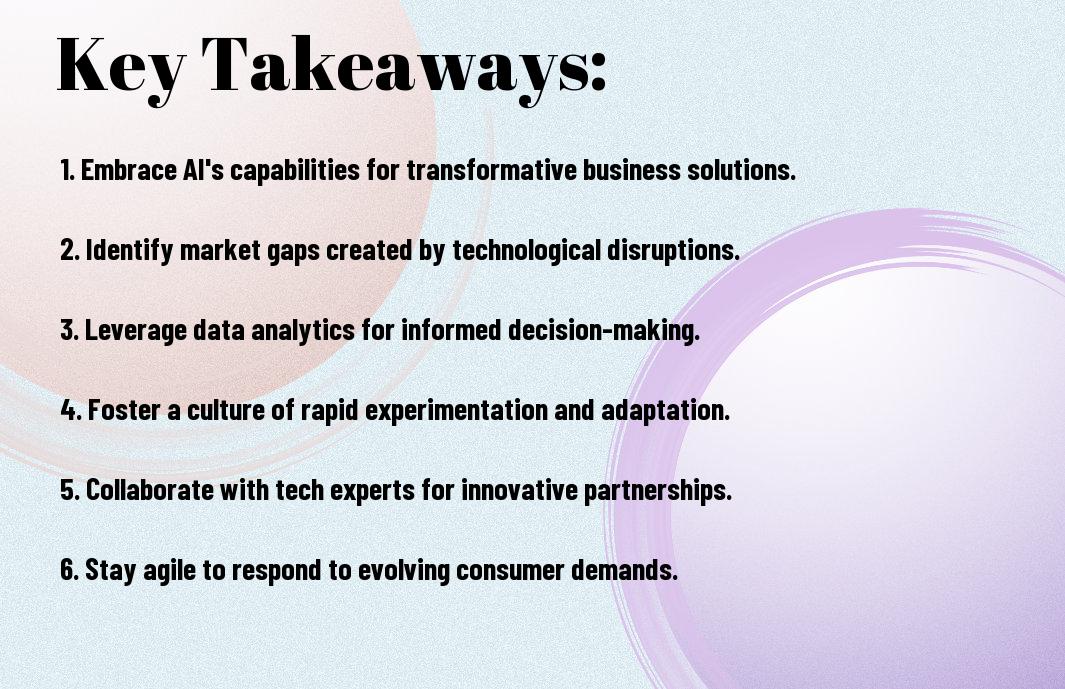
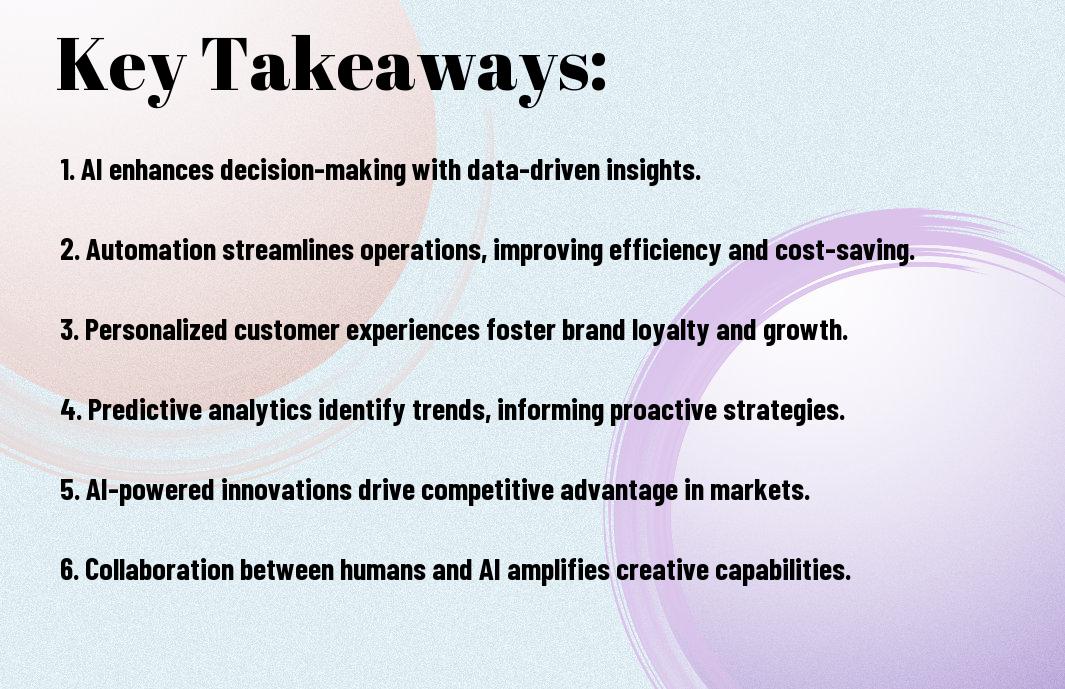
Key Takeaways:

  • Embracing artificial intelligence (AI) is vital for businesses to create a sustainable wealth model, as it enables them to automate processes, enhance efficiency, and drive innovation, ultimately leading to increased profitability and competitiveness.
  • A sustainable wealth model powered by AI requires a strategic approach to data management, including collection, analysis, and interpretation, to inform business decisions and stay ahead of the competition.
  • AI-driven business models can help companies reduce their environmental footprint by optimizing resource allocation, streamlining operations, and promoting sustainable practices throughout their supply chains.
  • The integration of AI in business operations also necessitates a significant shift in workforce skills, with a greater emphasis on developing expertise in areas such as machine learning, data science, and digital literacy.
  • By leveraging AI and adopting a sustainable wealth model, businesses can create long-term value, foster economic growth, and contribute to a more equitable and prosperous society, while also ensuring their own resilience and success in an increasingly complex and interconnected world.

    The Economic Machine of AI

    To understand the impact of AI on your business, consider how it’s transforming industries, as seen in AI to transform wealth management, Microsoft executive says, which will change your approach to wealth creation.

    Fundamental Shifts in Value Creation

    At the heart of this transformation, you’ll find significant changes in how value is created, affecting your business model and requiring adaptations to stay competitive in the new AI-driven economy.

    Productivity Paradox Resolved

    Fundamentally, the integration of AI resolves the productivity paradox, where you can now leverage technology to enhance efficiency and output, directly impacting your bottom line.

    But as you probe deeper into the productivity paradox, you’ll discover that AI not only automates routine tasks, freeing your resources for strategic decisions, but also provides insights that help you optimize operations, leading to sustained growth and competitiveness in your market, allowing you to create a sustainable wealth model that thrives in the new age of business.
    First Principles of Digital Wealth

    There’s a new paradigm shift in the way you create and manage wealth, and it’s driven by digital technologies. As you navigate this new landscape, understanding the fundamental principles of digital wealth is imperative to your success.

    Network Effects as Capital

    The key to unlocking digital wealth lies in your ability to leverage network effects, where the value of a product or service increases exponentially with each new user. You can harness this power to create a self-reinforcing cycle of growth and profitability.

    Data as the New Oil

    Between the lines of code and algorithms, data has emerged as the lifeblood of digital businesses, driving innovation and growth. You need to recognize the value of data in your business and learn to extract insights from it to stay ahead of the competition.

    Data is the foundation upon which you can build your digital wealth model, and its importance cannot be overstated. As you collect and analyze data, you’ll gain a deeper understanding of your customers, markets, and operations, enabling you to make informed decisions and drive your business forward. You’ll be able to identify new opportunities, optimize your processes, and create new revenue streams, ultimately leading to sustained growth and profitability in your digital ventures.

    Algorithmic Decision Making

    Despite the complexity of business decisions, you can now rely on algorithms to guide your choices, enabling data-driven decision-making and reducing reliance on intuition.

    From Intuition to Evidence

    Towards a more informed approach, you shift from relying on gut feelings to making decisions based on empirical evidence, allowing your business to thrive in a data-rich environment.

    The Feedback Loop Economy

    Taking your business to the next level, you enter an economy where continuous feedback loops refine your decision-making processes, enabling your organization to adapt and evolve rapidly.

    Economy that is driven by feedback loops offers you a unique opportunity to create a self-improving system, where your business decisions are constantly refined by the data generated from previous choices, allowing you to stay ahead of the competition and achieve sustainable growth.

    Risk Hedging in Technological Transformation

    After investing in AI-driven technologies, you need to consider risk hedging strategies to protect your business from potential disruptions. This involves assessing potential risks and developing contingency plans to mitigate their impact on your operations.

    Diversification Across Innovation Curves

    Prior to focusing on a single technology, you should diversify your investments across different innovation curves to minimize risk and maximize returns, ensuring your business remains competitive in a rapidly changing market.

    Resilience Through Redundancy

    Transforming your business to incorporate redundant systems and processes can help you build resilience against technological failures or disruptions, allowing you to quickly adapt and continue operating with minimal downtime.

    This approach to resilience through redundancy involves creating duplicate systems, processes, and supply chains to ensure that if one fails, others can take over, minimizing the impact on your business and allowing you to maintain continuity, which is crucial for your long-term success and ability to navigate the challenges of technological transformation.

    Market Cycles in the AI Economy

    For businesses to thrive in the AI economy, you need to understand market cycles. You can learn more about creating wealth with AI by downloading the Ai Wealth Creation Blueprint Pdf, which provides valuable insights into this new era of business.

    Creative Destruction Patterns

    Around every corner, new technologies emerge, disrupting traditional industries and creating new opportunities for growth, allowing you to adapt and innovate in the AI-driven market.

    Identifying Long-Term Trends

    Cycles of innovation and disruption are inherent in the AI economy, and you must identify long-term trends to make informed decisions and stay ahead of the competition.

    Also, as you explore deeper into the AI economy, you will find that identifying long-term trends requires a deep understanding of the complex interplay between technological advancements, market demands, and societal needs, enabling you to make strategic decisions that drive your business forward.

    Building Sustainable Business Models

    Once again, you’ll need to rethink your approach to creating a sustainable wealth model, focusing on long-term growth and environmental responsibility, as you develop your business strategy, you’ll find that AI can help you make more informed decisions.

    Regenerative Value Propositions

    Across various industries, you’ll find that regenerative value propositions are becoming increasingly important, as you consider the impact of your business on the environment and society, you can use AI to identify areas for improvement and develop more sustainable practices.

    Stakeholder-Centric Approaches

    Beside financial gains, you should also consider the needs and interests of your stakeholders, including employees, customers, and the wider community, as you develop a stakeholder-centric approach, you can use AI to analyze data and make more informed decisions.

    To implement a stakeholder-centric approach, you’ll need to engage with your stakeholders, understand their needs, and develop strategies that balance their interests with your business goals, by doing so, you can create a more sustainable and equitable business model that benefits everyone involved, and AI can help you navigate this complex process, providing you with valuable insights and data-driven recommendations.

    Conclusion

    Following this exploration of creating a sustainable wealth model, you now have a deeper understanding of how AI is revolutionizing the business landscape. As you navigate your own business journey, you will be able to leverage AI to drive growth and profitability. Your ability to adapt and innovate will be key to success in this new age of business, and with the right strategies, you can build a thriving and sustainable wealth model that sets you up for long-term success.

    FAQ

    Q: What is the role of Artificial Intelligence in creating a sustainable wealth model for businesses?

    A: Artificial Intelligence (AI) plays a significant role in creating a sustainable wealth model for businesses by providing innovative solutions to optimize operations, enhance customer experience, and drive growth. AI-powered tools can analyze vast amounts of data to identify trends, predict market fluctuations, and provide actionable insights, enabling businesses to make informed decisions and stay ahead of the competition. By leveraging AI, companies can streamline processes, reduce costs, and improve efficiency, ultimately leading to increased profitability and sustainability.

    Q: How can businesses adapt to the new age of business driven by technological advancements and AI?

    A: To adapt to the new age of business, companies must be willing to embrace change and invest in digital transformation. This involves developing a strategic plan to integrate AI and other emerging technologies into their operations, such as machine learning, blockchain, and the Internet of Things (IoT). Businesses should also focus on upskilling and reskilling their workforce to ensure they have the necessary expertise to work effectively with AI systems. Additionally, companies must prioritize data-driven decision-making, foster a culture of innovation, and be prepared to pivot quickly in response to changing market conditions and customer needs.

    Q: What are the key benefits of creating a sustainable wealth model that incorporates AI and other emerging technologies?

    A: The key benefits of creating a sustainable wealth model that incorporates AI and other emerging technologies include increased efficiency, improved decision-making, enhanced customer experience, and accelerated growth. By leveraging AI, businesses can automate routine tasks, freeing up resources to focus on high-value activities such as strategy, innovation, and customer engagement. Additionally, AI-powered systems can provide real-time insights and predictive analytics, enabling companies to respond quickly to changing market conditions and stay ahead of the competition. Ultimately, a sustainable wealth model that incorporates AI and other emerging technologies can help businesses achieve long-term success, drive profitability, and create lasting value for stakeholders.

The Role of Artificial Intelligence in Creating Next-Generation Business Empires

As you navigate the ever-evolving business landscape, you’re likely aware of the significant impact artificial intelligence (AI) is having on industries worldwide. You may be wondering how AI can transform your business into a next-generation empire. With its ability to analyze vast amounts of data and automate complex processes, AI is revolutionizing the way companies operate, making them more efficient and innovative. You will discover how AI can help you stay ahead of the competition and drive growth in your organization.

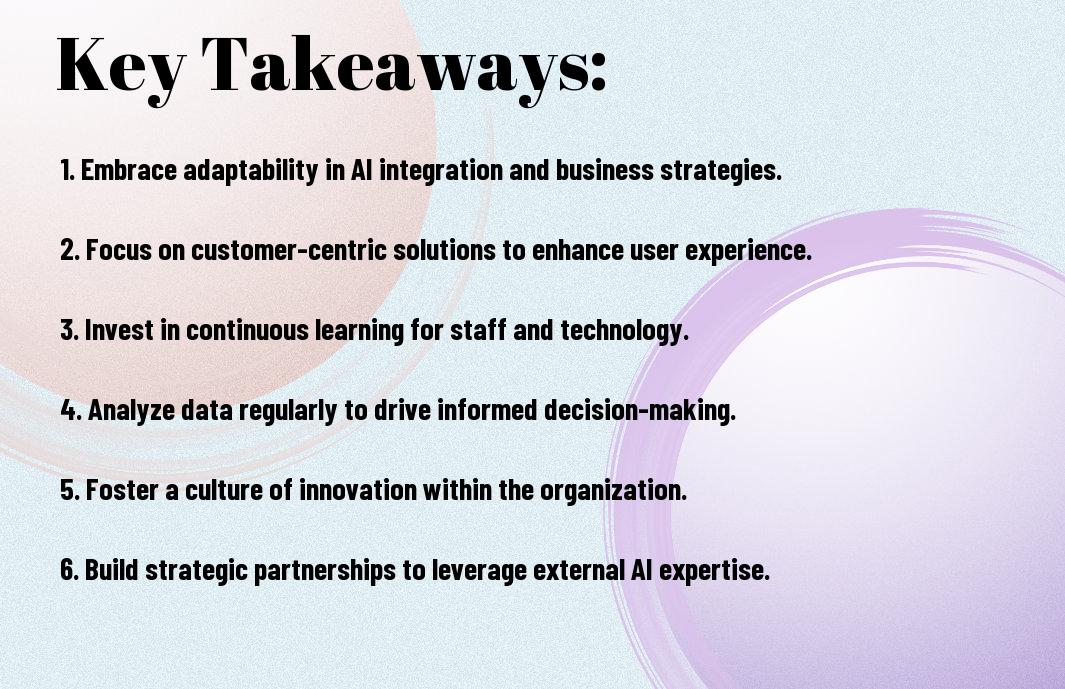
Key Takeaways:

  • Artificial intelligence (AI) is transforming the business landscape by enabling companies to make data-driven decisions, automate processes, and enhance customer experiences, ultimately leading to increased efficiency and competitiveness.
  • The integration of AI in business operations allows for the analysis of vast amounts of data, providing valuable insights that can inform strategic decisions and drive innovation, thereby creating new opportunities for growth and expansion.
  • Next-generation business empires will likely be built on AI-powered platforms that leverage machine learning, natural language processing, and computer vision to create immersive and personalized experiences for customers, setting them apart from traditional businesses.
  • The adoption of AI also raises important questions about job displacement, ethics, and accountability, highlighting the need for businesses to develop responsible AI strategies that prioritize transparency, fairness, and human well-being.
  • As AI continues to evolve, it is likely to play an increasingly significant role in shaping the future of business, with successful companies being those that can harness its potential to drive innovation, improve operations, and create sustainable value for stakeholders.

    The Tipping Point for AI in Business

    A significant shift is occurring as you explore the potential of artificial intelligence in your business, with Artificial Intelligence in Business Gets Real becoming a guiding principle for your strategy.

    From Experimental to Essential

    Against the backdrop of rapid technological advancements, you’re likely to find that AI is transforming from a novelty to a necessity in your business operations.

    The Small Changes That Spark Revolutions

    At the forefront of this transformation, you’ll notice that small, incremental changes are paving the way for significant revolutions in how you approach business challenges.

    Further, as you investigate deeper into the applications of AI, you’ll discover that these small changes can have a profound impact on your business, enabling you to streamline processes, enhance decision-making, and drive innovation, ultimately positioning your company for long-term success in an increasingly competitive landscape.

    AI as the New Corporate Outlier

    Any business leader looking to stay ahead of the curve should consider the impact of AI on their operations. As you explore the potential of AI, you’ll find that it’s Paving the way for new business achievements in the AI era.

    Companies That Leapt Ahead

    At the forefront of this revolution, you’ll find companies that have successfully integrated AI into their business models, allowing you to learn from their experiences and apply them to your own operations.

    The Patterns of AI-Driven Success

    Before exploring into the world of AI, you should understand the common patterns that successful companies have followed to achieve success with AI, and how you can apply these patterns to your own business.

    Even as you begin to explore the possibilities of AI, you’ll notice that successful companies have one thing in common: a deep understanding of how AI can be used to drive innovation and improve efficiency, allowing you to make informed decisions about how to integrate AI into your own business and stay ahead of the competition.

    The Cognitive Revolution in Corporate Decision-Making

    Unlike traditional methods, AI-driven decision-making enables you to analyze vast amounts of data, identify patterns, and make informed choices, thereby transforming your business strategy.

    Intuition Meets Algorithm

    Akin to a symbiotic relationship, your intuition and AI algorithms come together to enhance your decision-making capabilities, allowing you to make more accurate predictions and drive your business forward.

    The New Business Instinct

    Opposed to relying solely on gut feelings, you can now develop a data-driven instinct that guides your business decisions, enabling you to navigate complex markets and stay ahead of the competition.

    In addition, as you embrace this new business instinct, you’ll find that your ability to adapt to changing market conditions improves, allowing you to pivot your strategy and capitalize on new opportunities, ultimately leading to increased growth and success for your business empire.

    Reimagining Organizational Structure

    Many businesses are leveraging artificial intelligence to transform their operations, and you can do the same by adopting AI-powered tools to streamline your processes and enhance decision-making.

    Flattening Hierarchies Through Intelligence

    Structurally, AI is changing the way your organization functions, enabling you to break down traditional barriers and create a more agile, responsive system that allows you to adapt quickly to changing market conditions.

    The Human-AI Collaborative Framework

    Only by combining human intuition with AI-driven insights can you unlock the full potential of your business, and as you explore this collaborative approach, you’ll discover new ways to drive innovation and growth.

    With the Human-AI Collaborative Framework, you can create a symbiotic relationship between your team members and AI systems, allowing you to augment your capabilities, automate routine tasks, and focus on high-value activities that drive your business forward, enabling you to make more informed decisions and stay ahead of the competition.

    The Economics of Artificial Intelligence

    After understanding the potential of AI, you can explore its economic implications, including how it can benefit your business, as outlined in the 7 Benefits of Artificial Intelligence (AI) for Business, to make informed decisions.

    Investment Patterns and ROI Considerations

    Economically, you need to consider the investment patterns and ROI considerations when implementing AI in your business, as this will help you allocate your resources effectively and maximize your returns.

    The New Metrics of Business Value

    Along with the integration of AI, you will need to adopt new metrics to measure your business’s value, focusing on data-driven insights and performance indicators that reflect the impact of AI on your operations.

    Hence, as you probe into the new metrics of business value, you will discover that AI-driven data analysis enables you to track key performance indicators, such as customer engagement, process efficiency, and innovation, allowing you to make strategic decisions that drive your business forward and stay competitive in the market.

    Ethical Dimensions and Societal Impact

    Keep in mind that as you develop and implement AI solutions, you must consider the ethical implications and potential societal impact. Your actions will shape the future of business and society, and it’s vital to prioritize responsibility and transparency.

    Responsible AI Deployment

    Besides the technical aspects, you should focus on deploying AI in a way that aligns with your values and promotes fairness, accountability, and safety. Your approach to AI deployment will reflect on your brand and reputation, so it’s vital to get it right.

    Creating Sustainable AI Advantage

    Towards creating a sustainable AI advantage, you need to prioritize long-term benefits over short-term gains. Your goal should be to develop AI solutions that drive continuous innovation and improvement, while also ensuring that they are environmentally and socially sustainable.

    Also, as you strive to create a sustainable AI advantage, you will need to invest in ongoing research and development, staying up-to-date with the latest advancements and breakthroughs in AI technology. Your ability to adapt and evolve will be key to maintaining a competitive edge and ensuring that your AI solutions remain relevant and effective in the years to come.

    To wrap up

    Taking this into account, you now understand the significance of artificial intelligence in shaping your business’s future. As you begin on building your next-generation business empire, you will leverage AI to drive innovation, enhance efficiency, and make informed decisions. Your ability to harness AI’s potential will ultimately determine your success in the competitive market, allowing you to stay ahead of the curve and achieve your goals.

    FAQ

    Q: What is the primary role of Artificial Intelligence in creating next-generation business empires?

    A: The primary role of Artificial Intelligence (AI) in creating next-generation business empires is to drive innovation, enhance operational efficiency, and unlock new revenue streams. AI technologies such as machine learning, natural language processing, and predictive analytics enable businesses to analyze vast amounts of data, identify patterns, and make informed decisions. By leveraging AI, companies can automate routine tasks, improve customer experiences, and develop new products and services that meet evolving market demands.

    Q: How can Artificial Intelligence help businesses gain a competitive edge in the market?

    A: Artificial Intelligence can help businesses gain a competitive edge in the market by providing them with real-time insights, enabling them to respond quickly to changing market conditions, and improving their decision-making capabilities. AI-powered tools can analyze large datasets, identify trends, and predict future market shifts, allowing businesses to stay ahead of the competition. Additionally, AI-driven automation can help companies reduce costs, enhance productivity, and improve product quality, ultimately leading to increased customer satisfaction and loyalty.

    Q: What are the potential risks and challenges associated with implementing Artificial Intelligence in business, and how can they be mitigated?

    A: The potential risks and challenges associated with implementing Artificial Intelligence in business include data privacy and security concerns, job displacement, and the need for significant investments in AI infrastructure and talent. To mitigate these risks, businesses can implement robust data governance policies, invest in employee retraining and upskilling programs, and develop strategic partnerships with AI technology providers. Furthermore, companies can adopt a phased approach to AI adoption, starting with small-scale pilots and gradually scaling up to larger implementations, to minimize disruption and ensure a smooth transition to an AI-driven business model.

AI and Entrepreneurial Innovation – Turning Disruption into Opportunity

As you navigate the ever-changing landscape of business, you’re likely aware that artificial intelligence (AI) is transforming industries and creating new opportunities for growth. You can learn more about the impact of AI on work and innovation by reading about The AI Disruption: How Automation is Redefining Work and Unlocking New Opportunities. By understanding AI’s potential, you can turn disruption into a catalyst for your entrepreneurial innovation and stay ahead of the curve.

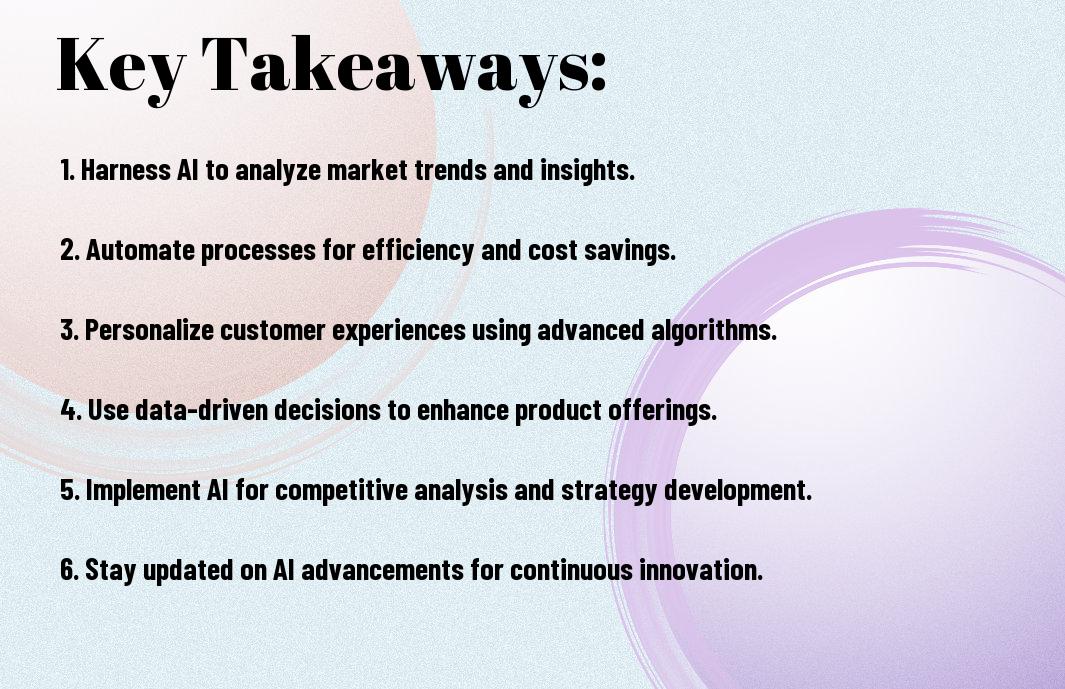
Key Takeaways:

  • Embracing AI can be a significant catalyst for entrepreneurial innovation, enabling businesses to identify and capitalize on new opportunities, improve operational efficiency, and drive growth.
  • AI-driven disruption can be turned into opportunity by fostering a culture of innovation, encouraging experimentation, and leveraging AI technologies such as machine learning and natural language processing.
  • Entrepreneurs can harness AI to develop new products, services, and business models that address emerging customer needs, creating new revenue streams and competitive advantages.
  • Effective integration of AI into business operations requires a strategic approach, including investment in AI talent, data infrastructure, and ongoing training to ensure successful adoption and deployment.
  • By leveraging AI, entrepreneurs can unlock new possibilities for innovation, drive business transformation, and stay ahead of the competition in an increasingly complex and rapidly changing market landscape.

    The AI Revolution in Business

    While navigating the ever-changing landscape of entrepreneurship, you’re likely aware that artificial intelligence (AI) is transforming the way businesses operate, creating new opportunities for growth and innovation, and you must be prepared to adapt to these changes to stay ahead.

    Defining the New Technological Frontier

    Beyond the current state of technology, you’ll find that AI is redefining the boundaries of what’s possible, and as you explore this new frontier, you’ll discover novel ways to apply AI to your business, enhancing your operations and decision-making processes.

    Disruption as a Catalyst for Innovation

    Amidst the upheaval caused by AI, you’ll find that disruption can be a powerful catalyst for innovation, forcing you to rethink your business models and strategies, and as you do, you’ll uncover new avenues for growth and development.

    This ability to innovate in the face of disruption is key to your success in the AI-driven business landscape, and as you learn to harness the power of AI, you’ll be able to turn potential disruptions into opportunities, driving your business forward and staying ahead of the competition, which will ultimately depend on your ability to adapt and evolve in response to the changing technological landscape.

    Entrepreneurial Mindset in the Age of AI

    Now, as you navigate the landscape of AI-driven innovation, you can turn disruption into opportunity by embracing a mindset that is open to change and agile in response. You can learn more about Disruption as an Opportunity – Navigating Industry Changes to stay ahead of the curve.

    Cognitive Flexibility and Adaptation

    Before you can harness the power of AI for your business, you need to develop cognitive flexibility and adaptability, allowing you to pivot quickly in response to new information and changing circumstances, which will enable you to stay competitive in a rapidly evolving market.

    Risk Assessment in Uncharted Territory

    Uncharted territories often come with unforeseen challenges, and as you venture into the unknown, you must be prepared to assess and mitigate risks that could impact your business, using data-driven insights to inform your decision-making process.

    Risk is an inherent part of innovation, and as you explore new opportunities in the age of AI, you will need to develop a keen sense of risk assessment, weighing potential rewards against potential downsides, and using this information to make informed decisions that drive your business forward, helping you to navigate the complexities of AI-driven disruption and turn it into a catalyst for growth and success.

    Identifying Market Gaps Through AI

    Many entrepreneurs are leveraging AI to identify market gaps and stay ahead of the competition. You can use AI-powered tools to analyze industry trends, customer needs, and market demands, enabling you to make informed decisions about your business strategy.

    Pattern Recognition and Predictive Analytics

    Gaps in the market can be filled by utilizing AI’s ability to recognize patterns and predict future trends. You can use machine learning algorithms to analyze large datasets and identify areas where your business can innovate and disrupt the market.

    Consumer Behavior Insights

    By analyzing consumer behavior, you can gain valuable insights into their needs and preferences, allowing you to tailor your products and services to meet their demands. You can use AI-powered tools to collect and analyze data on consumer behavior, enabling you to make data-driven decisions.

    Even more importantly, you can use these insights to anticipate changes in consumer behavior and stay ahead of the curve. You can use AI to analyze social media trends, online searches, and purchase history to identify emerging trends and preferences, enabling you to adjust your business strategy accordingly and capitalize on new opportunities.

    Building AI-Enhanced Business Models

    Your ability to leverage AI in your business model can be a key differentiator, enabling you to innovate and stay ahead of the competition. By integrating AI into your operations, you can unlock new revenue streams and improve efficiency.

    Scalability Through Automation

    Any business looking to expand its operations can benefit from automation, which enables you to process large volumes of data quickly and accurately, freeing up resources for more strategic activities.

    Personalization at Scale

    Against the backdrop of increasing consumer expectations, you can use AI to deliver personalized experiences that meet the unique needs of your customers, driving loyalty and retention.

    Automation allows you to take personalization to the next level, analyzing vast amounts of customer data to create tailored offerings that resonate with your target audience, helping you to build stronger relationships and drive business growth.

    Resource Optimization Strategies

    All entrepreneurs can leverage AI to optimize resources, as seen in Thriving in 2025: Your Blueprint for Turning Disruption Into Opportunity, to streamline operations and increase efficiency, allowing you to focus on innovation.

    Capital Allocation in AI Ventures

    Against the backdrop of rapid technological change, you must strategically allocate capital to AI initiatives that drive growth and profitability, ensuring your investments yield substantial returns.

    Talent and Technological Integration

    About the integration of talent and technology, you should prioritize hiring professionals with expertise in AI development and implementation to ensure seamless integration into your business operations.

    Further, as you probe into talent and technological integration, you will find that having the right team in place allows you to harness the full potential of AI, driving innovation and staying ahead of the competition, which is imperative for your success in today’s fast-paced entrepreneurial landscape.

    Ethical Considerations and Responsible Innovation

    Keep in mind that as you navigate the intersection of AI and entrepreneurial innovation, ethical considerations are paramount. You must prioritize responsible innovation to ensure that your endeavors have a positive impact on society.

    Transparency in AI Implementation

    Ethically, you should prioritize transparency in AI implementation, ensuring that your stakeholders understand how AI is being used and what benefits it brings to your organization, allowing you to build trust with your audience.

    Balancing Progress with Social Impact

    With great power comes great responsibility, and as you leverage AI to drive innovation, you must balance progress with social impact, considering how your actions will affect the community and the environment, and striving to create positive outcomes.

    Another aspect to consider when balancing progress with social impact is the potential for AI to exacerbate existing social inequalities, and you should take steps to mitigate these effects, such as implementing fairness and accountability measures in your AI systems, to ensure that your innovation benefits everyone, not just a select few.

    Final Words

    Drawing together the threads of AI and entrepreneurial innovation, you now have the tools to turn disruption into opportunity. You can harness the power of AI to drive your business forward, creating new products, services, and markets. Your ability to adapt and innovate will be key to success in this rapidly changing landscape, and by embracing AI, you will be well-positioned to thrive in the years to come, unlocking your full potential and achieving your goals.

    FAQ

    Q: What role does Artificial Intelligence (AI) play in driving entrepreneurial innovation, and how can businesses leverage it to stay ahead of the curve?

    A: AI plays a significant role in driving entrepreneurial innovation by automating processes, enhancing decision-making, and unlocking new business models. Businesses can leverage AI by integrating it into their operations, using machine learning algorithms to analyze data, and developing AI-powered products and services that solve real-world problems. By embracing AI, entrepreneurs can turn disruption into opportunity, creating new revenue streams, improving customer experiences, and gaining a competitive edge in the market.

    Q: How can entrepreneurs identify and capitalize on opportunities for innovation in the age of AI, and what skills do they need to develop to succeed in this landscape?

    A: Entrepreneurs can identify opportunities for innovation in the age of AI by staying up-to-date with the latest technological advancements, monitoring industry trends, and engaging with customers to understand their needs and pain points. To succeed, entrepreneurs need to develop skills such as data analysis, programming, and critical thinking, as well as the ability to collaborate with AI experts and adapt to rapid changes in the market. By developing these skills and being open to experimentation and learning, entrepreneurs can unlock new opportunities for growth and innovation.

    Q: What are the potential risks and challenges associated with AI-driven innovation, and how can entrepreneurs mitigate them to ensure sustainable and responsible growth?

    A: The potential risks and challenges associated with AI-driven innovation include job displacement, data privacy concerns, and the potential for AI systems to perpetuate biases and inequalities. To mitigate these risks, entrepreneurs can prioritize transparency and accountability in their AI development processes, ensure that AI systems are designed with diversity and inclusivity in mind, and invest in retraining and upskilling programs for workers who may be displaced by automation. By taking a responsible and sustainable approach to AI-driven innovation, entrepreneurs can minimize the risks and maximize the benefits of AI, creating a brighter future for their businesses and society as a whole.

How to Build an AI-Enhanced Business That Stands the Test of Time

As you launch on building a successful business, you’re likely considering how to leverage artificial intelligence to drive growth and stay competitive. Your goal is to create a company that not only thrives today, but also endures for years to come. You understand that incorporating AI into your business strategy can be a game-changer, and you’re eager to learn how to harness its power to drive innovation, efficiency, and profitability, setting your business up for long-term success.

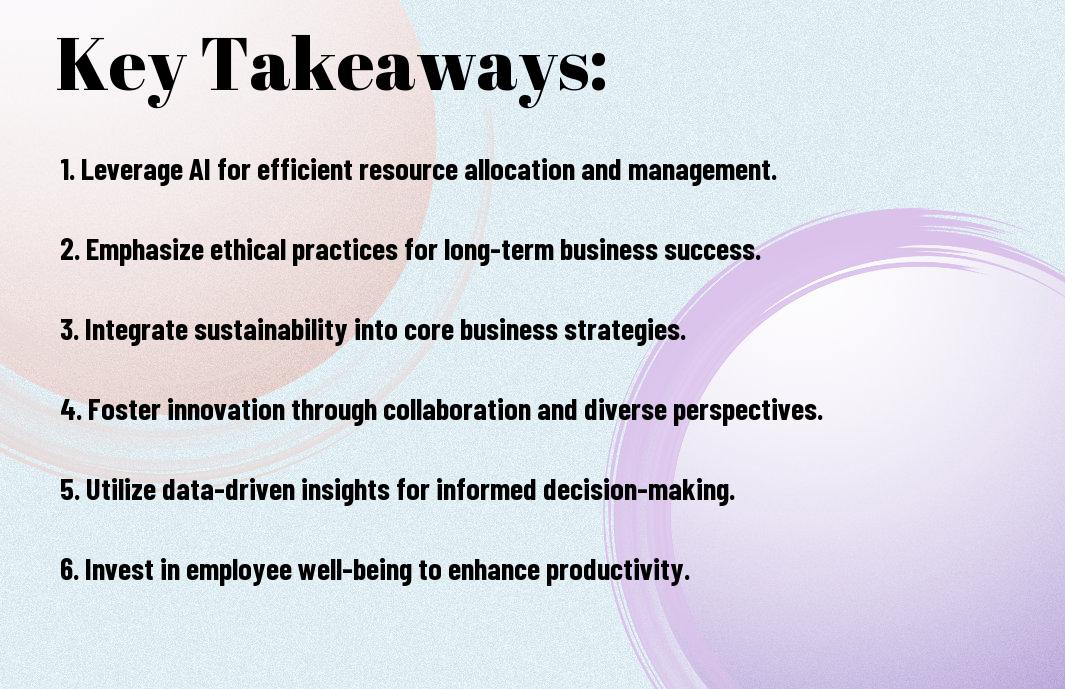
Key Takeaways:

  • Develop a clear understanding of your business goals and identify areas where AI can be leveraged to drive growth, improve efficiency, and enhance customer experience, ultimately building a strong foundation for long-term success.
  • Invest in data quality and management, as high-quality data is imperative for training and deploying effective AI models that can provide actionable insights and inform business decisions.
  • Foster a culture of innovation and experimentation, encouraging collaboration between human and machine to unlock new opportunities and stay ahead of the competition in an ever-evolving business landscape.
  • Implement AI solutions that are transparent, explainable, and accountable, ensuring that your business can maintain trust with customers, stakeholders, and regulatory bodies, and adapt to changing market conditions.
  • Continuously monitor and evaluate the impact of AI on your business, making adjustments as needed to ensure that AI-enhanced systems remain aligned with your overall business strategy and continue to drive value over time.

    Foundations of AI-Enhanced Business Models

    To build a successful AI-enhanced business, you need to understand the fundamentals of AI-driven models. You will learn how to leverage AI to drive growth, improve efficiency, and enhance customer experiences, setting your business up for long-term success.

    Identifying Core Business Processes for AI Integration

    By analyzing your operations, you can identify areas where AI can have the most impact, streamlining processes and improving productivity, allowing you to make informed decisions about where to apply AI solutions.

    Balancing Innovation with Proven Business Principles

    Any successful AI-enhanced business must strike a balance between innovation and established practices, ensuring that new technologies serve your overall strategy, and you can achieve this by prioritizing your goals and evaluating AI solutions based on their potential impact.

    Principles such as customer-centricity, financial discipline, and operational efficiency are vital to your business’s longevity, and when you integrate AI, you should consider how these principles can be augmented and supported by new technologies, rather than replaced, allowing you to innovate while maintaining a solid foundation for your business.

    Strategic Implementation of AI Technologies

    While implementing AI technologies, you need to consider your business goals and objectives. You should assess your current infrastructure and identify areas where AI can bring the most value. This will help you make informed decisions about which AI solutions to adopt and how to integrate them into your business.

    Selecting the Right AI Solutions for Your Industry

    By evaluating your industry’s specific needs, you can choose AI solutions that address your unique challenges. You should consider factors such as data availability, scalability, and compatibility with your existing systems. This will enable you to select the most effective AI solutions for your business.

    Creating a Scalable AI Infrastructure

    Solutions such as cloud-based services and flexible architectures can help you build a scalable AI infrastructure. You should design your infrastructure to accommodate growing amounts of data and increasing computational demands. This will allow you to expand your AI capabilities as your business grows.

    Strategic planning is important when creating a scalable AI infrastructure. You should consider your long-term goals and develop a roadmap for AI adoption. This will help you prioritize investments, allocate resources effectively, and ensure that your AI infrastructure supports your business objectives. As you build your AI infrastructure, you should also consider factors such as data management, security, and maintenance to ensure that your systems remain efficient and effective over time.

    Human-AI Collaboration Framework

    Despite the potential of AI, you need a framework to collaborate effectively with your human workforce. This framework will help you leverage AI’s capabilities while ensuring your business remains agile and adaptable in a rapidly changing environment.

    Developing AI-Ready Workforce Capabilities

    Among the key factors in building a successful human-AI collaboration is developing your workforce’s capabilities to work with AI. You will need to invest in training and upskilling your employees to ensure they can effectively utilize AI tools and technologies.

    Establishing Ethical Guidelines for AI Use

    Against the backdrop of increasing AI adoption, you must establish ethical guidelines for its use in your business. You will need to consider issues like data privacy, bias, and transparency to ensure your AI systems are fair and trustworthy.

    Indeed, establishing ethical guidelines for AI use is necessary to maintaining your business’s reputation and building trust with your customers. You should consider developing a comprehensive ethics framework that outlines the principles and values that will guide your AI development and deployment, and ensure that your AI systems are aligned with your business’s overall mission and values. This will help you navigate the complex ethical landscape of AI and ensure that your business remains responsible and accountable.

    Data Architecture for Longevity

    Many businesses struggle to create a data architecture that supports long-term growth. You need to design a system that can adapt to changing needs and technologies, ensuring your business remains competitive.

    Building Robust Data Collection Systems

    Around the clock, your systems should be collecting and processing data to inform your business decisions. You should focus on building robust data collection systems that can handle large volumes of data and provide accurate insights.

    Implementing Adaptive Analytics Frameworks

    Any successful business needs to be able to analyze and act on data quickly. You should implement adaptive analytics frameworks that can help you respond to changing market conditions and customer needs.

    Hence, when implementing adaptive analytics frameworks, you will be able to identify trends and patterns in your data, and make informed decisions to drive your business forward. You will be able to create a data-driven culture that enables your business to innovate and stay ahead of the competition, and your adaptive analytics frameworks will be a key component of your overall data architecture, supporting your business’s long-term success.

    Navigating Regulatory Landscapes

    Unlike other business ventures, building an AI-enhanced business requires careful consideration of regulatory landscapes. As you explore AI opportunities, you can find inspiration in 25+ Profitable AI Business Ideas to ensure your venture stays ahead of the curve.

    Compliance Strategies for Evolving AI Regulations

    Alike other regulatory environments, compliance strategies for AI regulations involve understanding the evolving landscape and adapting your business accordingly, which enables you to make informed decisions about your AI-enhanced business.

    Privacy-Centric Approaches to AI Development

    For instance, prioritizing privacy in your AI development process helps you build trust with your customers and maintain a competitive edge in the market, allowing you to create AI solutions that respect user data and privacy.

    Development of privacy-centric AI approaches requires you to consider the ethical implications of your AI systems and implement measures to protect user data, which in turn enables you to create AI solutions that not only drive business growth but also respect user privacy, ultimately helping you build a sustainable and trustworthy AI-enhanced business that stands the test of time.

    Measuring AI-Driven Business Impact

    After implementing AI initiatives, you need to assess their impact on your business. To achieve this, you can visit Creating a content supply chain that will stand the test of time for guidance on building a sustainable business model.

    Key Performance Indicators for AI Initiatives

    Against the backdrop of your AI strategy, you will need to establish key performance indicators to measure the success of your initiatives, allowing you to adjust your approach as needed to maximize your returns.

    Long-term Value Assessment Methodologies

    By adopting a long-term perspective, you can better evaluate the effectiveness of your AI investments, considering factors such as customer satisfaction and revenue growth to determine the overall value of your initiatives.

    At this stage, you should consider methodologies such as cost-benefit analysis, return on investment (ROI) calculations, and total cost of ownership (TCO) assessments to evaluate the long-term value of your AI investments, enabling you to make informed decisions about your business strategy and ensure the sustainability of your AI-enhanced business model.

    Final Words

    Conclusively, you now have the foundation to build an AI-enhanced business that stands the test of time. You have learned how to leverage AI to drive innovation and growth in your organization. By integrating AI into your business strategy, you will be able to stay ahead of the competition and achieve long-term success. Your ability to adapt and evolve with AI will be key to your business’s enduring prosperity.

    FAQ

    Q: What are the key components of building an AI-enhanced business that stands the test of time?

    A: To build an AI-enhanced business that stands the test of time, several key components must be in place. First, a clear understanding of the company’s goals and objectives is necessary to determine how AI can be leveraged to drive business success. This involves identifying areas where AI can automate processes, enhance decision-making, and improve customer experiences. Additionally, a strong data foundation is crucial, as AI algorithms rely on high-quality data to learn and make accurate predictions. A talented team with expertise in AI, data science, and business operations is also vital to develop and implement effective AI strategies. Finally, a culture of continuous learning and innovation must be fostered to ensure the company stays ahead of the curve and adapts to changing market conditions.

    Q: How can businesses ensure that their AI systems are transparent, explainable, and fair?

    A: Ensuring that AI systems are transparent, explainable, and fair is crucial for building trust with customers, employees, and stakeholders. To achieve this, businesses can implement several strategies. First, they can use techniques such as model interpretability and feature attribution to provide insights into how AI-driven decisions are made. Second, they can establish clear guidelines and regulations for AI development and deployment, ensuring that AI systems are designed and tested to avoid bias and discrimination. Third, they can invest in AI auditing and testing tools to detect and mitigate potential issues. Finally, they can foster a culture of accountability and transparency, encouraging open communication and collaboration between AI developers, business leaders, and stakeholders to ensure that AI systems are aligned with human values and ethical principles.

    Q: What role does continuous learning and adaptation play in building an AI-enhanced business that stands the test of time?

    A: Continuous learning and adaptation are crucial for building an AI-enhanced business that stands the test of time. As AI technologies and market conditions evolve, businesses must be able to adapt quickly to stay competitive. This involves investing in ongoing education and training for employees, as well as encouraging a culture of experimentation and innovation. Businesses can also leverage AI itself to drive continuous learning, using techniques such as reinforcement learning and transfer learning to improve AI models and adapt to new situations. Additionally, businesses can establish partnerships with academia, research institutions, and other industry leaders to stay at the forefront of AI research and development. By embracing a mindset of continuous learning and adaptation, businesses can ensure that their AI-enhanced strategies remain effective and relevant in the face of changing market conditions and technological advancements.

Leveraging AI for Market Domination – A Guide for Wealth-Building Entrepreneurs

As you strive to establish your business as a market leader, you’re likely exploring innovative strategies to stay ahead of the competition. You can revolutionize your approach by harnessing the power of artificial intelligence (AI). By leveraging AI, you can optimize your operations, enhance customer experiences, and drive growth. To get started, you can download the Ai Wealth Creation Blueprint Book, a valuable resource that will guide you in creating a successful wealth-building strategy with AI.

Key Takeaways:

  • Embracing AI technology can significantly enhance business operations, allowing entrepreneurs to make data-driven decisions and stay ahead of the competition in the market.
  • AI-powered tools can automate routine tasks, freeing up time for wealth-building entrepreneurs to focus on strategic planning and innovation, leading to increased productivity and efficiency.
  • By leveraging AI, entrepreneurs can gain valuable insights into customer behavior and preferences, enabling them to develop targeted marketing strategies and improve customer engagement.
  • AI-driven analytics can help entrepreneurs identify new business opportunities and predict market trends, allowing them to make informed investment decisions and drive growth.
  • Successful integration of AI into business operations requires a deep understanding of the technology and its applications, as well as a willingness to continuously adapt and evolve in response to changing market conditions.

The AI Wealth Revolution

The advent of AI is transforming the business landscape, and you are poised to capitalize on this trend. As a wealth-building entrepreneur, you can leverage AI to drive growth, optimize operations, and gain a competitive edge. Your ability to adapt to this new reality will determine your success in the market.

Why Smart Money is Flowing to AI

Around the topic of AI investment, approximately 80% of executives believe it will have a significant impact on their businesses. As you consider your own investment strategy, you’ll want to explore how AI can drive innovation and profitability in your industry.

The Wealth Gap Between AI Adopters and Laggards

By now, it’s clear that AI is a key differentiator between successful businesses and those that are struggling to keep up. You may have noticed that your competitors who have adopted AI are gaining ground, while those who have not are falling behind.

Due to the rapid pace of AI development, the gap between adopters and laggards is widening quickly. As you move forward with your own AI strategy, you’ll want to consider how to close this gap and position your business for long-term success, taking into account the potential risks and opportunities that AI presents, and making informed decisions to drive your business forward.

Identifying AI Market Opportunities

There’s a growing need to stay ahead of the curve when it comes to leveraging AI for market domination. You can learn more about how AI is changing the game for entrepreneurs by visiting How AI Is Changing The Game For Entrepreneurs In 2025 And Beyond to gain valuable insights.

Spotting Underserved Market Segments

Once you start exploring AI market opportunities, one of the first steps is to identify areas where your target audience is not being adequately served, allowing you to tailor your approach to meet their specific needs.

Finding Problems Only AI Can Solve

One key aspect of leveraging AI for market domination is finding complex problems that traditional solutions cannot address, and that’s where you can apply AI to create innovative solutions.

But as you investigate deeper into finding problems only AI can solve, you’ll discover that your ability to analyze vast amounts of data, identify patterns, and make predictions will enable you to develop targeted solutions that meet the unique needs of your audience, setting you apart from your competitors and positioning you for market dominance.

Building Your AI Arsenal

Your journey to market domination begins with building a robust AI arsenal, tailored to your business needs and goals, enabling you to make data-driven decisions and stay ahead of the competition.

Essential AI Tools for Entrepreneurs

Around every corner, new AI tools are emerging, but you should focus on those that enhance your marketing, customer service, and operational efficiency, such as chatbots, predictive analytics, and automation software.

Cost-Effective Implementation Strategies

Against the backdrop of limited budgets, you need to prioritize AI solutions that offer the greatest return on investment, such as cloud-based services and open-source platforms, to minimize costs and maximize benefits.

Strategies for cost-effective implementation involve assessing your current infrastructure, identifying areas where AI can have the most impact, and phased deployment to ensure a smooth transition and minimize disruption to your business operations, allowing you to harness the power of AI without breaking the bank, and ultimately, driving your business towards market domination.

Creating AI-Enhanced Products

Unlike traditional product development, creating AI-enhanced products requires a deep understanding of your target market and the potential applications of AI in your industry, allowing you to stay ahead of the competition and drive business growth.

Transforming Existing Offerings with AI

One of the most effective ways to leverage AI is by integrating it into your existing products, enabling you to enhance their functionality, improve user experience, and increase their value to your customers, ultimately driving revenue and expansion.

Developing New Revenue Streams

Among the many benefits of AI is its ability to help you identify and capitalize on new business opportunities, allowing you to develop innovative products and services that meet the evolving needs of your market and stay ahead of the curve.

Considering the vast potential of AI in developing new revenue streams, you can explore various applications such as subscription-based models, data-driven services, or AI-powered consulting, enabling you to diversify your income and solidify your position as a market leader, and as you examine deeper into the world of AI-enhanced products, you will discover new avenues for growth and expansion, tailored to your unique business needs and goals.

Scaling Through Automation

Keep your business ahead of the competition by leveraging AI-powered tools, such as those described in ChatGPT for Profit: The Ultimate Beginner’s Guide to Leveraging AI for Business Success, to streamline your operations and increase efficiency.

Eliminating Human Bottlenecks

Above all, your goal is to identify areas where human intervention is limiting your growth and automate them, allowing you to focus on high-leverage activities that drive your business forward.

Creating Systems That Work While You Sleep

The key to achieving true scalability lies in creating systems that can operate independently, generating revenue and growing your business even when you’re not actively working on it.

It is necessary to design and implement automated systems that can handle tasks such as customer support, marketing, and sales, freeing up your time to focus on strategic decision-making and high-level planning, enabling you to take your business to the next level and achieve your wealth-building goals.

Dominating Your Market

After establishing a strong foundation, you can leverage AI to dominate your market, setting yourself apart from competitors and driving business growth. You’ll be able to make data-driven decisions, optimize operations, and deliver personalized customer experiences, ultimately leading to increased revenue and market share.

Crushing Competition with Data Advantage

Around the time you start utilizing AI, you’ll notice a significant shift in your ability to outmaneuver competitors, as you’ll have access to valuable insights and patterns in customer behavior, allowing you to make informed decisions and stay ahead of the curve.

Creating Barriers to Entry

On the path to market domination, you’ll need to create barriers to entry, making it difficult for new competitors to emerge, and you can achieve this by establishing a strong brand, building a loyal customer base, and continuously innovating and improving your products and services.

Further, by creating barriers to entry, you’ll be able to protect your market share and maintain a competitive advantage, as new entrants will struggle to replicate your unique value proposition, and your customers will be less likely to switch to alternative products or services, ensuring long-term growth and profitability for your business.

Conclusion

With these considerations, you can harness the power of AI to drive your business forward. You will be able to make informed decisions, optimize your operations, and stay ahead of the competition. By leveraging AI, you can unlock new opportunities for growth and increase your chances of achieving market domination, ultimately building the wealth and success you desire for your entrepreneurial ventures, and securing your position as a leader in your industry, with your business thriving as a result of your strategic AI adoption.

FAQ

Q: What is the main goal of leveraging AI for market domination, and how can it benefit wealth-building entrepreneurs?

A: The primary objective of leveraging AI for market domination is to utilize artificial intelligence technologies to gain a competitive edge in the market, drive business growth, and increase revenue. By harnessing the power of AI, wealth-building entrepreneurs can automate tasks, gain valuable insights from data analysis, and make informed decisions to stay ahead of the competition. This can lead to increased efficiency, improved customer experiences, and ultimately, enhanced profitability.

Q: How can AI be applied in various aspects of business to drive market domination, and what are some key strategies for implementation?

A: AI can be applied in numerous aspects of business, including marketing, sales, customer service, and product development. To drive market domination, entrepreneurs can use AI-powered tools for predictive analytics, personalized marketing, and automated customer engagement. Key strategies for implementation include identifying areas where AI can add the most value, investing in AI-powered technologies, and developing a skilled team to manage and optimize AI systems. Additionally, entrepreneurs should focus on integrating AI with existing business processes, ensuring data quality and security, and continuously monitoring and evaluating AI-driven results.

Q: What are some potential challenges and limitations of leveraging AI for market domination, and how can wealth-building entrepreneurs overcome them?

A: Some potential challenges and limitations of leveraging AI for market domination include the high cost of AI technologies, the need for specialized skills and expertise, and concerns around data privacy and security. To overcome these challenges, wealth-building entrepreneurs can start by investing in AI-powered tools and platforms that offer scalable and affordable solutions. They can also develop strategic partnerships with AI experts and vendors, and prioritize data protection and compliance to mitigate risks. Furthermore, entrepreneurs should be prepared to continuously adapt and evolve their AI strategies as technologies advance and market conditions change, ensuring they stay ahead of the competition and achieve long-term success.

Skip to content