AI

Beyond the Algorithm – How AI is Reshaping Entrepreneurial Wealth

As you navigate the ever-changing landscape of entrepreneurship, you’re likely aware of the significant impact artificial intelligence (AI) is having on your business. Your ability to adapt and leverage AI will be key to unlocking new opportunities and driving growth. You’re not just competing with other entrepreneurs, but also with the algorithms that power AI systems, which are redefining the way wealth is created and distributed, and it’s necessary to understand how to harness this technology to stay ahead.

Key Takeaways:

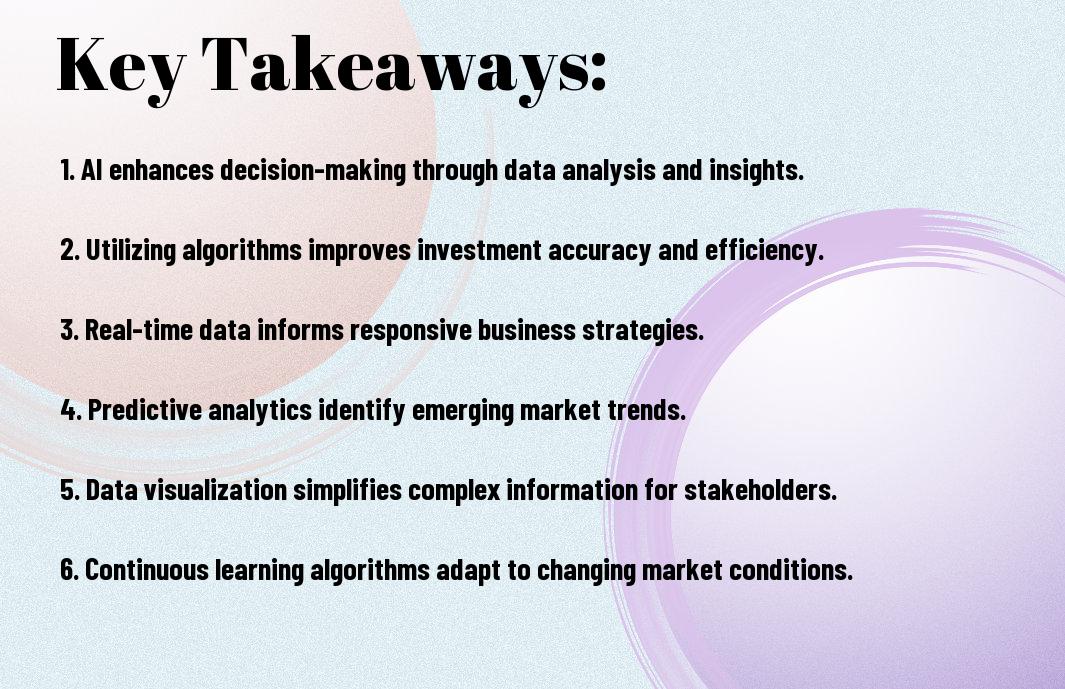
  • AI is transforming the way entrepreneurs create and manage wealth, offering new opportunities for growth and investment through data-driven decision making and automation.
  • The integration of AI in business operations enables entrepreneurs to analyze vast amounts of data, identify patterns, and make informed decisions, leading to increased efficiency and competitiveness.
  • AI-driven technologies, such as machine learning and natural language processing, are being leveraged by entrepreneurs to develop innovative products and services, disrupting traditional industries and creating new markets.
  • The rise of AI is also changing the nature of work and the skills required to succeed as an entrepreneur, with a growing need for expertise in areas like data science, programming, and digital literacy.
  • As AI continues to reshape the entrepreneurial landscape, it is important for entrepreneurs to stay adaptable, invest in ongoing education and training, and prioritize ethical considerations to ensure that the benefits of AI are realized while minimizing its risks.
The New Entrepreneurial Landscape

The shift in the entrepreneurial landscape is transforming the way you approach business, with AI-driven innovations creating new opportunities for growth and investment. As you navigate this new terrain, you’ll discover that AI is not just a tool, but a fundamental aspect of your business strategy.

AI as Capital Rather Than Tool

Behind the scenes, AI is becoming a key driver of entrepreneurial wealth, enabling you to make data-driven decisions and automate processes. As you leverage AI, you’ll find that it’s no longer just a tool, but a valuable asset that can appreciate over time.

Barriers to Entry in the AI Economy

Rather than being a barrier, AI is becoming a catalyst for entrepreneurial growth, allowing you to access new markets and customers. As you enter the AI economy, you’ll need to understand the challenges and opportunities that come with it.

Landscape of the AI economy is complex, and as you navigate it, you’ll encounter barriers such as access to data, talent, and funding. You’ll need to develop strategies to overcome these hurdles and unlock the full potential of AI in your business, enabling you to stay competitive and achieve your goals.

Wealth Creation Mechanisms

While exploring AI-driven entrepreneurship, you’ll discover novel methods of generating wealth. Your understanding of these mechanisms will be pivotal in navigating the evolving landscape of business and finance, as AI continues to reshape traditional models.

Scalability Without Human Constraints

Methods similar to automation enable you to expand your operations without being limited by human capabilities, allowing your business to grow exponentially and increasing your potential for wealth creation.

Value Extraction Through Prediction Markets

Beside the traditional means of wealth generation, you can leverage AI-driven prediction markets to make informed decisions and extract value from uncertain events, giving you a competitive edge in your entrepreneurial pursuits.

Consequently, as you probe deeper into the world of prediction markets, you’ll find that AI algorithms can analyze vast amounts of data to forecast outcomes, enabling you to make strategic investments and optimize your wealth creation strategies, thereby maximizing your returns and solidifying your position in the market.

The Competitive Advantage Paradox

Now, as you navigate the complexities of AI-driven entrepreneurship, you’ll encounter a paradox: while AI offers unparalleled opportunities for growth, it also intensifies competition, making it challenging to sustain a competitive edge.

Democratization vs. Concentration

Above all, you should consider how AI is democratizing access to innovative tools and technologies, allowing more entrepreneurs to participate in the market, yet simultaneously concentrating wealth and power among a few dominant players.

First-Mover Dynamics in AI Implementation

Below the surface of AI adoption lies a complex interplay of first-mover advantages and disadvantages, where you must weigh the benefits of early adoption against the risks of untested technologies and evolving market trends.

Advantage lies in your ability to harness AI’s potential, leveraging its power to drive innovation, streamline operations, and enhance customer experiences, thereby establishing a strong foundation for long-term success, as you carefully consider the implications of AI on your business model and strategic decision-making processes.

Risk Profiles in AI Ventures

Once again, you’ll need to assess your risk tolerance when investing in AI ventures, as the landscape is constantly evolving and unpredictable, requiring you to stay adaptable and informed to make strategic decisions.

Technical Debt and Algorithmic Fragility

Profiles of successful AI ventures often reveal a delicate balance between innovation and technical stability, and you must consider the potential technical debt and algorithmic fragility that can impact your investment’s long-term viability.

Regulatory Arbitrage Opportunities

Arbitrarily navigating the complex regulatory environment can be challenging, but you can capitalize on regulatory arbitrage opportunities by understanding the nuances of AI-related laws and policies, allowing you to make informed decisions that minimize risk and maximize returns.

Also, as you explore regulatory arbitrage opportunities, you’ll need to stay up-to-date on the latest developments and amendments in AI regulations, ensuring your investments comply with existing laws while identifying areas where regulatory gaps can be leveraged to your advantage, ultimately giving you a competitive edge in the market.

Funding Structures for AI Entrepreneurs

Not all funding options are created equal, and as an entrepreneur, you need to understand the landscape to make informed decisions about your AI venture.

Venture Capital Evolution

Across the funding spectrum, you’ll find that traditional venture capital firms are adapting to the AI-driven landscape, offering you more opportunities to secure funding for your innovative ideas.

Alternative Financing Models

Along with traditional funding routes, you can explore alternative models, such as crowdfunding and angel investors, which can provide you with the necessary capital to launch and grow your AI-powered business.

Entrepreneurs like you are leveraging alternative financing models to access funds that might not be available through traditional channels, allowing you to maintain control and flexibility as you navigate the complex world of AI entrepreneurship, and you can use these models to fuel your growth and stay ahead of the competition.

Human Capital in the AI Economy

After understanding the impact of AI on the economy, you can see how it’s changing the way you approach entrepreneurship, particularly when it comes to human capital, which is now more valuable than ever in the AI-driven landscape, affecting your wealth creation strategies.

Skill Premium Redistribution

Premium skills in areas like AI development and data analysis are becoming highly sought after, and you will need to adapt your skillset to remain competitive, as the value of your skills directly impacts your entrepreneurial wealth in this new economy.

The New Entrepreneurial Skillset

The traditional entrepreneurial skills are no longer enough; you now need skills that complement AI, such as creativity, critical thinking, and emotional intelligence, to successfully navigate the AI economy and build your wealth.

Also, as you develop your new skillset, you will find that your ability to work alongside AI systems, understand their capabilities, and make strategic decisions based on their outputs becomes necessary for your success and wealth creation in this new entrepreneurial landscape.

To wrap up

As a reminder, you now have a deeper understanding of how AI is reshaping entrepreneurial wealth. You see that your ability to adapt and leverage AI will significantly impact your business’s success. Your awareness of AI’s potential will help you make informed decisions, driving your entrepreneurial journey forward and unlocking new opportunities for growth and prosperity.

FAQ

Q: What is the main concept of “Beyond the Algorithm – How AI is Reshaping Entrepreneurial Wealth” and how does it impact business owners?

A: The main concept of “Beyond the Algorithm – How AI is Reshaping Entrepreneurial Wealth” revolves around the significant impact of Artificial Intelligence (AI) on entrepreneurial ventures and wealth creation. As AI technologies advance, they are transforming the way businesses operate, make decisions, and generate wealth. This concept highlights the need for entrepreneurs to understand and adapt to these changes to stay competitive and successful in the market. By embracing AI, business owners can automate processes, gain deeper insights into their operations and customer behavior, and create new opportunities for growth and innovation, ultimately leading to increased wealth and sustainability.

Q: How can entrepreneurs leverage AI to drive innovation and wealth creation in their businesses?

A: Entrepreneurs can leverage AI in several ways to drive innovation and wealth creation. Firstly, they can use AI-powered tools for data analysis to gain a better understanding of their market, customers, and operational efficiency. This can help in making informed decisions and identifying new business opportunities. Secondly, AI can be used to automate routine and repetitive tasks, freeing up resources for more strategic and creative endeavors. Additionally, AI-driven technologies like machine learning and natural language processing can be used to develop new products and services, or to enhance existing ones, leading to increased competitiveness and revenue. By integrating AI into their business models, entrepreneurs can unlock new avenues for growth, improve customer satisfaction, and ultimately increase their wealth.

Q: What skills and knowledge do entrepreneurs need to acquire to successfully navigate the AI-driven business landscape and create sustainable wealth?

A: To successfully navigate the AI-driven business landscape and create sustainable wealth, entrepreneurs need to acquire a combination of technical, business, and soft skills. Technically, they should have a basic understanding of AI concepts, such as machine learning, deep learning, and natural language processing, as well as data analysis and interpretation skills. From a business perspective, they need to understand how AI can be integrated into their business models to drive innovation, efficiency, and customer engagement. Additionally, soft skills like adaptability, creativity, and strategic thinking are necessary for making the most out of AI technologies and responding to the rapid changes in the market. Entrepreneurs should also be committed to continuous learning, staying updated with the latest AI trends and technologies to make informed decisions and stay ahead of the competition.

From Bootstrapping to Breakthroughs – AI's Role in Scaling Business Wealth

As you navigate the challenges of growing your business, you’re likely exploring innovative strategies to drive success. You understand that scaling your wealth requires more than just hard work and determination. Your ability to leverage technology, particularly artificial intelligence (AI), can be a game-changer. You’ll discover how AI can help you streamline operations, make data-driven decisions, and unlock new opportunities for growth, ultimately transforming your business and propelling you towards breakthroughs.

Key Takeaways:

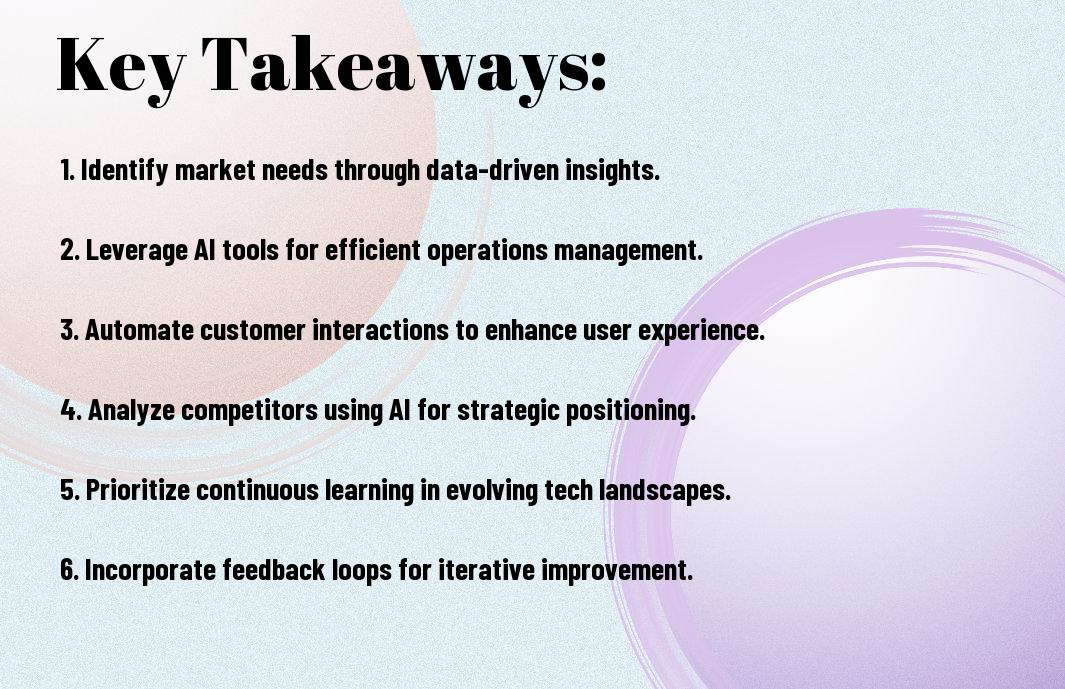
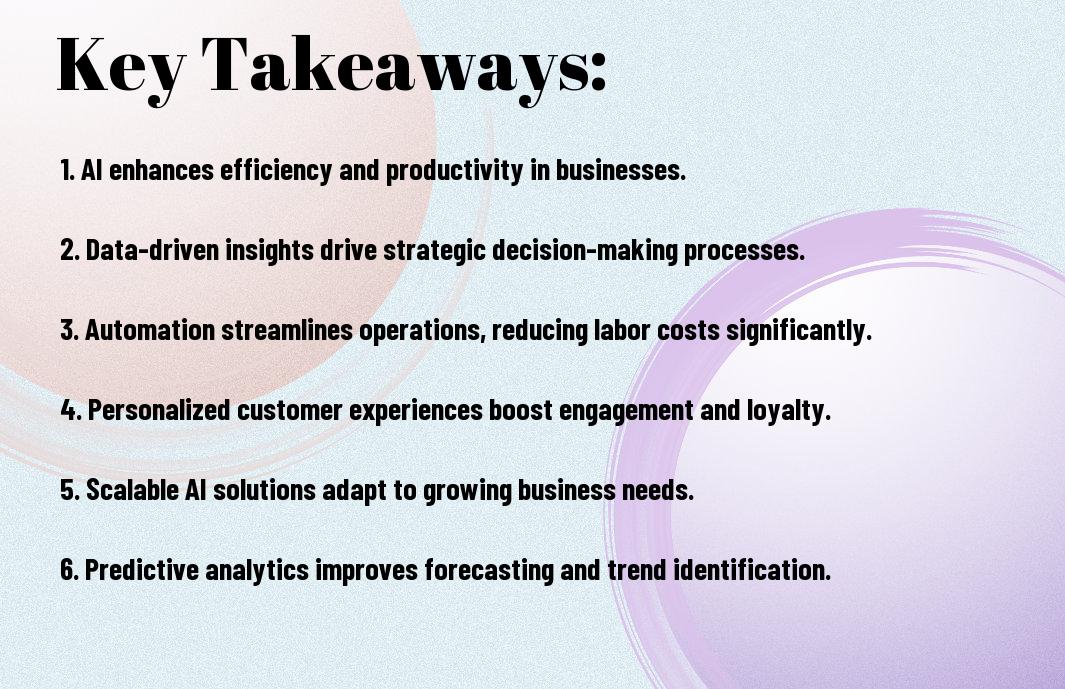
  • AI can significantly accelerate business growth by automating routine tasks, enhancing decision-making, and improving operational efficiency, allowing entrepreneurs to focus on high-leverage activities that drive innovation and expansion.
  • Effective implementation of AI requires a deep understanding of the technology and its potential applications, as well as a strategic approach to integration, to maximize its impact on business operations and revenue.
  • AI-driven insights can help businesses identify new opportunities, optimize resource allocation, and mitigate risks, enabling them to scale more efficiently and effectively, and ultimately achieve breakthroughs in their respective markets.
  • As businesses grow and scale, AI can play a key role in maintaining a competitive edge, by enabling them to adapt quickly to changing market conditions, and stay ahead of the curve in terms of innovation and customer experience.
  • By leveraging AI, entrepreneurs can create a flywheel effect, where the benefits of AI-driven growth and efficiency feed back into the business, driving further innovation, expansion, and wealth creation, and ultimately leading to sustainable long-term success.

    The Tipping Point of AI Adoption

    The integration of AI into your business operations can be a game-changer, enabling you to scale your wealth and stay ahead of the competition. As you consider adopting AI, you’ll likely reach a point where the benefits outweigh the costs, and that’s when you’ll experience a breakthrough.

    When Algorithms Become Essential

    Almost inevitably, you’ll find that algorithms become an integral part of your decision-making process, helping you make data-driven choices that drive your business forward. As you rely more heavily on AI, you’ll start to see significant improvements in efficiency and productivity, allowing you to focus on high-level strategy and growth.

    The Psychology of Technological Resistance

    Across various industries, you may encounter resistance to AI adoption, often due to fear or misunderstanding of the technology. As you introduce AI into your organization, you’ll need to address these concerns and help your team understand the benefits of AI.

    A key aspect of overcoming resistance is to educate your team about the capabilities and limitations of AI, addressing any misconceptions they may have. As you do this, you’ll find that your team becomes more confident in their ability to work with AI, and you’ll be able to harness its full potential to drive your business forward and achieve breakthroughs. You’ll be able to make more informed decisions, automate routine tasks, and focus on high-level strategy, ultimately leading to increased wealth and success.

    Small Beginnings, Exponential Results

    One of the most significant advantages of AI is its ability to help you scale your business exponentially, even with limited resources. You can leverage AI to automate tasks, gain valuable insights, and make data-driven decisions, ultimately leading to rapid growth and increased wealth.

    Bootstrapping with Minimal AI Resources

    Beneath the surface of any successful business lies a solid foundation, and you can start building yours with minimal AI resources. You can begin by utilizing free or low-cost AI tools to streamline your operations, analyze customer data, and identify areas for improvement, setting your business up for future success.

    Recognizing Patterns of Growth

    Beginning with a solid understanding of your business’s growth patterns is crucial, and you can use AI to help you identify these patterns. You can analyze customer behavior, market trends, and financial data to pinpoint areas of opportunity and optimize your strategy for maximum impact.

    In fact, as you explore deeper into recognizing patterns of growth, you’ll find that AI can help you uncover hidden insights and connections that may not be immediately apparent. You can use machine learning algorithms to analyze large datasets, identify correlations, and predict future trends, giving you a competitive edge in the market and allowing you to make informed decisions to drive your business forward.

    The Wealth Acceleration Paradox

    For entrepreneurs and business owners, the pursuit of wealth acceleration is a top priority, and AI is revolutionizing the way you achieve it, enabling your business to scale faster and more efficiently than ever before.

    Traditional Scaling vs. AI-Augmented Scaling

    Among the various strategies you can employ to grow your business, AI-augmented scaling stands out as a game-changer, allowing you to automate tasks, gain valuable insights, and make data-driven decisions that drive your success.

    The New Economics of Information

    Paralleling the rise of AI, a new economic paradigm is emerging, one in which you can leverage information as a key driver of wealth creation, and AI is the catalyst that enables you to extract maximum value from your data.

    Acceleration of your business growth is directly tied to your ability to harness the power of AI and the new economics of information, as you can now access vast amounts of data, analyze it in real-time, and use the insights gained to inform your strategic decisions, ultimately leading to increased efficiency, productivity, and profitability, and enabling you to achieve breakthroughs that were previously unimaginable.

    Cognitive Tools for Business Evolution

    To scale your business wealth, you need to leverage cognitive tools that can help you make informed decisions and drive growth. These tools can analyze vast amounts of data, identify patterns, and provide insights that can inform your business strategy.

    Decision-Making in Complex Environments

    Businesses like yours often operate in complex environments where decisions can have far-reaching consequences. You can use AI-powered tools to analyze data, identify risks, and make informed decisions that drive your business forward.

    The Outliers of AI Implementation

    Before you launch on an AI implementation journey, you should consider the potential outliers that can impact your business. You need to identify areas where AI can add value and develop a strategy that aligns with your business goals.

    Implementation of AI solutions can be complex, and you may encounter outliers that can impact your business. You should develop a comprehensive plan that addresses potential risks and ensures successful integration of AI into your business operations, allowing you to achieve your goals and drive growth.

    Invisible Forces Reshaping Markets

    Many businesses are unaware of the underlying forces that drive market trends, but you can gain a competitive edge by understanding these dynamics and leveraging AI to your advantage, ultimately scaling your business wealth.

    Network Effects and AI Multipliers

    Alongside the rise of AI, you’ll notice that analogous forces are at play, where the value of a product or service increases exponentially with the number of users, and you can harness this power to accelerate your growth.

    The Subtle Art of Algorithmic Advantage

    Reconfiguring your approach to incorporate AI-driven insights, you’ll be able to make more informed decisions, and as you examine deeper, you’ll discover that the key to success lies in mastering the subtle art of algorithmic advantage, which enables you to outmaneuver your competitors.

    Markets are constantly evolving, and as you explore the subtle art of algorithmic advantage, you’ll find that AI plays a vital role in helping you stay ahead of the curve, enabling you to analyze vast amounts of data, identify patterns, and make predictions that inform your business strategy, allowing you to make data-driven decisions that drive your business forward and increase your wealth.

    The Human Element in the Machine Age

    Not surprisingly, as AI transforms your business, you’ll need to focus on what sets you apart from machines: your humanity. You’ll need to identify and nurture the skills that make your business unique and irreplaceable.

    Leadership Reconfigured

    Mechanically, you’ll need to reevaluate your leadership style to effectively manage AI-driven change, ensuring you’re leveraging technology to enhance your decision-making and strategy, rather than replacing your judgment.

    Talent and Teams in the AI Ecosystem

    About the time you start integrating AI, you’ll realize that your team’s skills and adaptability are vital to success, and you’ll need to invest in their development to ensure they can work effectively with AI systems.

    To build a strong team in the AI ecosystem, you’ll need to focus on developing skills like creativity, empathy, and problem-solving, which are complementary to AI’s capabilities, allowing you and your team to collaborate with AI systems and drive innovation in your business, ultimately leading to breakthroughs and increased wealth.

    Final Words

    As a reminder, you now understand the significance of AI in scaling your business wealth. You have learned how to leverage AI to bootstrap and breakthrough to new heights. Your ability to adapt and innovate with AI will be key to your success. You will drive growth, increase efficiency, and make informed decisions with AI by your side, ultimately transforming your business and achieving unprecedented wealth.

    FAQ

    Q: What is the role of AI in scaling business wealth, and how can it be leveraged for breakthroughs?

    A: AI plays a significant role in scaling business wealth by automating processes, enhancing decision-making, and driving innovation. It can be leveraged for breakthroughs by identifying new opportunities, optimizing operations, and improving customer experiences. Through machine learning algorithms and data analytics, AI helps businesses gain valuable insights, predict market trends, and make informed decisions, ultimately leading to increased efficiency, productivity, and profitability.

    Q: How can businesses effectively integrate AI into their operations to achieve scalability and wealth creation?

    A: To effectively integrate AI into their operations, businesses should start by identifying areas where AI can add the most value, such as customer service, marketing, or supply chain management. They should then invest in AI-powered tools and technologies, such as chatbots, predictive analytics, and machine learning platforms. Additionally, businesses should develop a robust data strategy to ensure they have access to high-quality data, which is important for training and deploying AI models. It’s also important to have a skilled team in place to develop, implement, and maintain AI solutions, and to continuously monitor and evaluate their effectiveness.

    Q: What are the potential risks and challenges associated with relying on AI for business scalability and wealth creation, and how can they be mitigated?

    A: The potential risks and challenges associated with relying on AI for business scalability and wealth creation include data privacy and security concerns, job displacement, and bias in AI decision-making. To mitigate these risks, businesses should implement robust data protection measures, invest in employee retraining and upskilling programs, and ensure that AI systems are designed and tested to avoid bias and discrimination. Additionally, businesses should establish clear governance and accountability structures to oversee AI development and deployment, and ensure that AI systems are transparent, explainable, and aligned with human values and ethics.

Data-Driven Entrepreneurship – Leveraging AI to Make Smarter Investments

As you navigate the complex world of entrepreneurship, you’re constantly seeking ways to make informed decisions and drive growth. Your ability to analyze data and make smart investments is key to staying ahead of the competition. With the rise of artificial intelligence (AI), you now have the power to leverage data-driven insights to optimize your investment strategies and maximize returns. By harnessing the potential of AI, you can unlock new opportunities and take your business to the next level.

Key Takeaways:

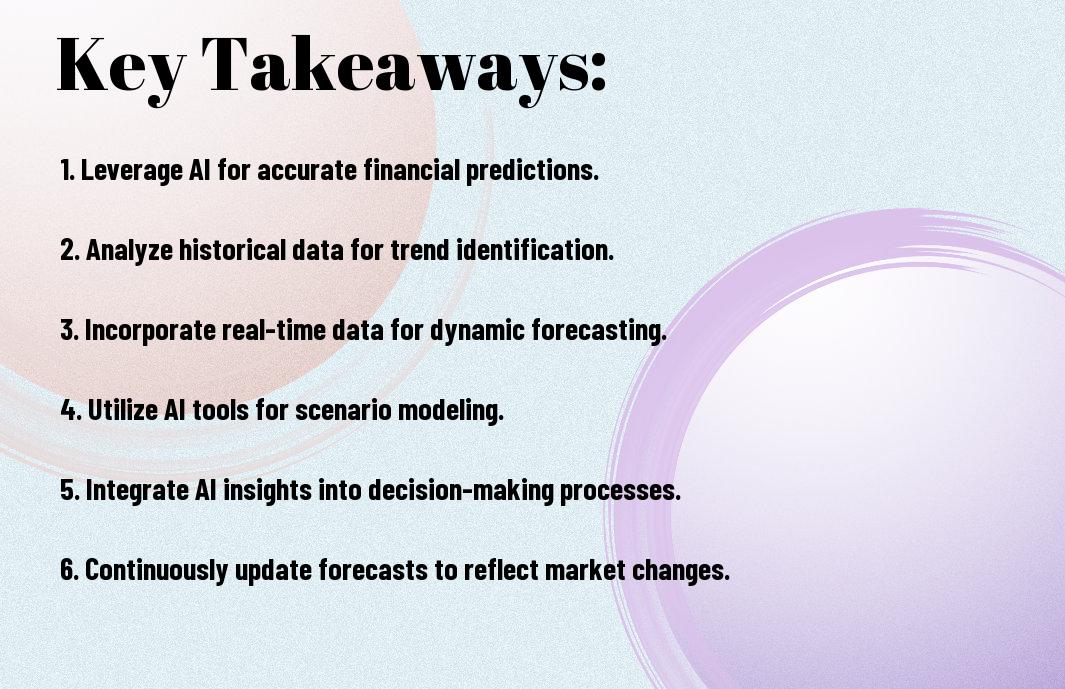
  • Data-driven entrepreneurship involves using artificial intelligence (AI) and data analysis to inform investment decisions, reducing reliance on intuition and increasing the potential for success.
  • AI can be used to analyze large datasets, identify patterns, and predict market trends, allowing entrepreneurs to make more informed decisions about where to invest their resources.
  • By leveraging AI, entrepreneurs can automate many of the tasks involved in data analysis, freeing up time to focus on higher-level strategic decisions and driving business growth.
  • AI-driven insights can help entrepreneurs to identify new opportunities and mitigate risks, enabling them to stay ahead of the competition and adapt to changing market conditions.
  • Effective implementation of AI in entrepreneurship requires a combination of technical expertise, business acumen, and a willingness to experiment and innovate, in order to unlock the full potential of data-driven decision making.

The Evolution of Investment Decision-Making

The investment landscape has undergone significant transformations over the years, and you are now witnessing a paradigm shift towards data-driven approaches. As you consider your investment options, it’s imperative to understand how AI is revolutionizing the way you make informed decisions.

Traditional Approaches vs. Data-Driven Methods

On the one hand, traditional methods relied heavily on intuition and experience, whereas data-driven methods leverage AI to analyze vast amounts of data, providing you with actionable insights to make smarter investments.

The Tipping Point for AI in Investment

Against the backdrop of increasing market volatility, you are likely to find that AI-powered investment tools are becoming increasingly indispensable, enabling you to navigate complex market trends with greater precision.

Hence, as you explore the potential of AI in investment, you will discover that it can help you identify high-growth opportunities, mitigate risks, and optimize your portfolio performance, ultimately giving you a competitive edge in the market. You will be able to make more accurate predictions, and your investment decisions will be backed by data-driven insights, allowing you to stay ahead of the curve.

Key AI Technologies Transforming Entrepreneurial Investments

Some of the most significant AI technologies transforming entrepreneurial investments include machine learning, predictive analytics, and natural language processing. You can leverage these technologies to make data-driven decisions and gain a competitive edge in the market. Your ability to adapt to these technologies will be important in driving your business forward.

Predictive Analytics and Pattern Recognition

Besides traditional investment methods, you can use predictive analytics to identify patterns and trends in the market. Your investments will become more informed, allowing you to mitigate risks and capitalize on opportunities. You will be able to make smarter decisions with the insights gained from predictive analytics.

Natural Language Processing for Market Intelligence

Processing large amounts of market data can be overwhelming, but natural language processing (NLP) can help you make sense of it. You can use NLP to analyze market trends, customer sentiment, and competitor activity, giving you a deeper understanding of the market landscape. Your market intelligence will be enhanced, enabling you to make more informed investment decisions.

Even with the vast amount of market data available, you can use NLP to extract actionable insights and stay ahead of the competition. You will be able to analyze news articles, social media posts, and other sources of market information to identify trends and patterns that can inform your investment decisions. Your ability to analyze large amounts of data quickly and accurately will give you a significant advantage in the market, allowing you to make smarter investments and drive your business forward.

Building Your Data-Driven Investment Framework

Unlike traditional investment approaches, a data-driven framework allows you to make informed decisions based on insights from AI-driven analytics, enabling you to identify trends and patterns that inform your investment strategy.

Essential Metrics and KPIs

One of the key components of your framework will be the metrics and KPIs you use to measure performance, which will help you evaluate the success of your investments and make adjustments as needed, allowing you to refine your strategy over time.

Creating Feedback Loops for Continuous Improvement

DataDriven decision-making relies on continuous feedback, which enables you to assess the effectiveness of your investments and make adjustments in real-time, ensuring your strategy remains optimized and aligned with your goals.

KPIs will play a significant role in creating feedback loops, as they provide a clear indication of your investment’s performance, allowing you to identify areas for improvement and make data-driven decisions to adjust your strategy, ensuring you stay on track to meet your investment objectives, and enabling you to make smarter investments that drive long-term growth and success.

Overcoming Cognitive Biases Through AI

Despite the best intentions, your investment decisions can be influenced by cognitive biases, leading to suboptimal outcomes. By leveraging AI, you can make more informed decisions and avoid common pitfalls.

Recognizing Human Decision Errors

Decisively, you must acknowledge that human decision-making is prone to errors, and your own biases can impact your investment choices. AI can help identify these biases and provide a more objective perspective.

How AI Provides Objective Counterbalance

Cognitively, you can benefit from AI’s ability to analyze large datasets and provide unbiased insights, helping you make more informed investment decisions. AI can identify patterns and trends that may elude you, ensuring your investments are based on data-driven evidence.

But as you probe deeper into the capabilities of AI, you’ll find that it can also help you refine your investment strategy by continuously learning from your decisions and adapting to changing market conditions, allowing you to make adjustments and optimize your portfolio for better returns, ultimately helping you achieve your investment goals.

The Human-AI Partnership

Now that you’re exploring the potential of AI in entrepreneurship, you’ll discover that the most successful approaches involve a harmonious blend of human insight and artificial intelligence, enabling you to make more informed investment decisions.

Where Human Intuition Still Matters

Contrary to the notion that AI replaces human judgment, your intuition and experience are still vital in identifying opportunities that AI systems might overlook, allowing you to guide the decision-making process with a deeper understanding of market nuances.

Designing Effective Collaboration Models

Pairing your expertise with AI’s analytical capabilities, you can create a powerful synergy that enhances your investment strategy, as you learn to leverage the strengths of both human and artificial intelligence to drive your entrepreneurial endeavors forward.

Effective collaboration models involve understanding how to divide tasks between humans and AI systems, allowing you to focus on high-level strategic decisions while AI handles data analysis and pattern recognition, thereby streamlining your investment process and improving overall performance, as you navigate the complex landscape of data-driven entrepreneurship with greater confidence and precision.

Ethical Considerations in AI-Powered Investing

Keep in mind that as you leverage AI for investing, you must consider the ethical implications, such as transparency and bias, to ensure your decisions are fair and unbiased, you can learn more about Harnessing AI and Machine Learning for Smarter Data Analytics Strategies to make informed choices.

Transparency and Explainability

Between the lines of code and complex algorithms, you need to understand how AI-driven investment decisions are made, to trust the process and identify potential flaws, ensuring your investments are aligned with your values and goals.

Addressing Algorithmic Bias

Above all, you should be aware of the potential for algorithmic bias in AI-powered investing, which can lead to unfair outcomes and discrimination, it’s necessary to monitor and address these biases to maintain the integrity of your investment decisions.

Ethical considerations in AI-powered investing are multifaceted, and addressing algorithmic bias is a key aspect, as you work to eliminate biases, you’ll need to continually test and validate your AI systems, ensuring they are fair, transparent, and aligned with your investment goals and values, by doing so, you can trust your AI-driven investment decisions and maintain a competitive edge in the market.

Summing up

Summing up, you now have the tools to leverage AI in your investment decisions, making your entrepreneurship journey more efficient. You can analyze data to identify trends, optimize operations, and mitigate risks. By embracing data-driven entrepreneurship, you will make smarter investments, driving your business forward and staying ahead of the competition. Your ability to adapt and innovate will be the key to your success in this rapidly evolving landscape.

FAQ

Q: What is Data-Driven Entrepreneurship and how does it relate to leveraging AI for smarter investments?

A: Data-Driven Entrepreneurship refers to the practice of using data analysis and interpretation to inform business decisions, drive innovation, and optimize operations. By leveraging Artificial Intelligence (AI), entrepreneurs can analyze large datasets, identify patterns, and make predictions to inform their investment decisions. This approach enables entrepreneurs to minimize risks, maximize returns, and stay ahead of the competition. With AI-powered tools, entrepreneurs can process vast amounts of data, including market trends, customer behavior, and financial metrics, to make informed decisions and drive business growth.

Q: How can AI be used to analyze market trends and make predictions for smarter investments in Data-Driven Entrepreneurship?

A: AI can be used to analyze market trends and make predictions by utilizing machine learning algorithms, natural language processing, and predictive modeling. These techniques enable entrepreneurs to analyze large datasets, including social media, news articles, and financial reports, to identify patterns and trends that may impact their investments. AI-powered tools can also analyze customer behavior, preferences, and demographics to predict market demand and identify potential opportunities for growth. By leveraging AI, entrepreneurs can gain valuable insights into market trends, make data-driven decisions, and stay ahead of the competition.

Q: What are the benefits of using AI in Data-Driven Entrepreneurship, and how can it help entrepreneurs make smarter investment decisions?

A: The benefits of using AI in Data-Driven Entrepreneurship include improved decision-making, increased efficiency, and enhanced risk management. AI-powered tools can analyze large datasets, identify potential risks, and provide entrepreneurs with data-driven insights to inform their investment decisions. Additionally, AI can help entrepreneurs to identify new business opportunities, optimize operations, and improve customer engagement. By leveraging AI, entrepreneurs can make smarter investment decisions, drive business growth, and achieve a competitive advantage in the market. Overall, AI is a powerful tool that can help entrepreneurs to navigate complex business environments, make informed decisions, and achieve their goals.

AI for the Aspiring Entrepreneur – Steps to Building a Tech-Powered Empire

As you launch on your entrepreneurial journey, you’re likely aware of the significant impact artificial intelligence (AI) can have on your business. You’re looking to leverage AI to drive innovation, streamline operations, and gain a competitive edge. Your goal is to build a tech-powered empire, and you’re taking the first step by exploring the possibilities of AI. You’ll learn how to harness the power of AI to transform your business and stay ahead of the curve in today’s fast-paced market.

Key Takeaways:

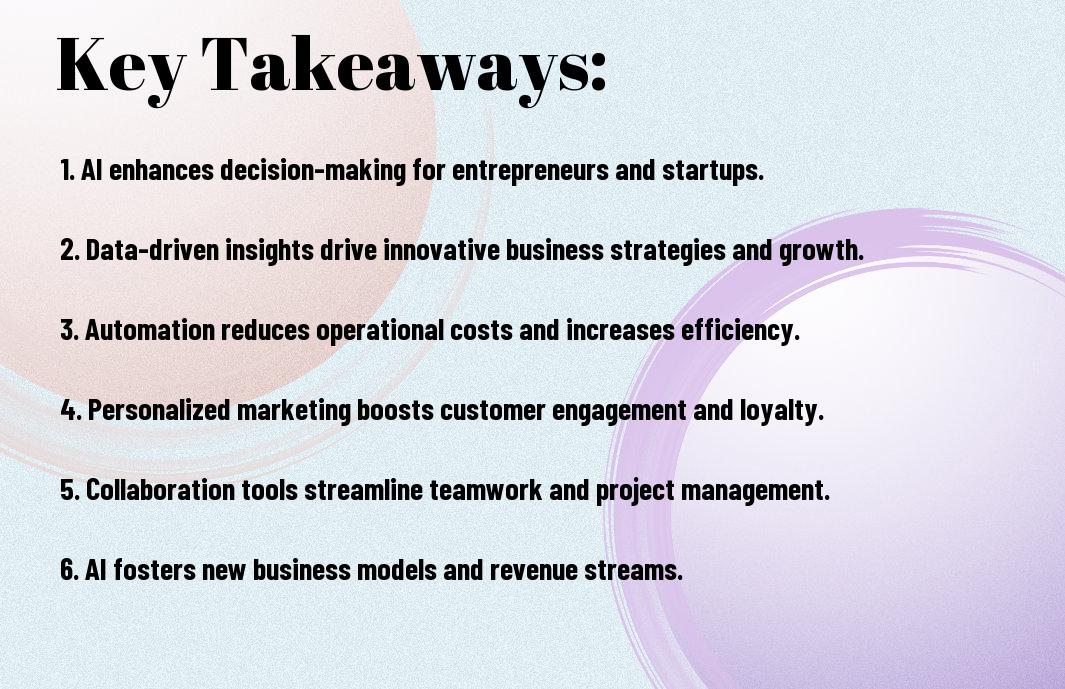
  • Identifying the right problem to solve is the foundation of building a successful tech-powered empire, and AI can help entrepreneurs find innovative solutions to real-world issues.
  • Developing a basic understanding of AI and its applications is crucial for aspiring entrepreneurs, as it enables them to leverage AI technologies to drive business growth and stay competitive.
  • Building a strong team with diverse skill sets, including AI expertise, is vital for developing and implementing effective AI-powered solutions that drive business success.
  • Aspiring entrepreneurs should focus on developing a minimum viable product (MVP) that incorporates AI, allowing them to test and refine their idea before scaling up their business.
  • Staying up-to-date with the latest AI trends and advancements is necessary for entrepreneurs to adapt and evolve their business strategies, ensuring they remain relevant in a rapidly changing tech landscape.

The AI Revolution in Business

For entrepreneurs, understanding the impact of AI on business is vital to staying ahead of the curve. You will need to adapt to the changing landscape to build a successful tech-powered empire.

Why AI Matters for Entrepreneurs Now

For your business to thrive, you must consider how AI can enhance your operations and decision-making processes. You will be able to streamline tasks, gain insights, and make data-driven decisions.

Cutting Through the Hype: Real Applications

At the heart of AI’s potential lies its ability to automate and optimize your business processes, allowing you to focus on growth and innovation. You can leverage AI to improve customer service, marketing, and product development.

Revolutionizing your business with AI starts with identifying areas where automation and machine learning can add value. You can apply AI to analyze customer data, personalize experiences, and predict market trends, giving you a competitive edge in your industry. By exploring these applications, you can harness the power of AI to drive your business forward.

Identifying AI Opportunities

Any aspiring entrepreneur looking to build a tech-powered empire must first identify areas where AI can be leveraged to drive growth and innovation in their industry.

Pain Points in Your Industry

Beneath the surface of your industry, there are likely pain points that can be addressed with AI solutions, and you can start by analyzing your business operations and customer feedback to pinpoint these areas.

Competitive Advantage Assessment

Notably, you will need to evaluate your competitors and assess how AI can help you gain a competitive edge, by analyzing their strengths and weaknesses, and identifying areas where you can outmaneuver them with AI-powered solutions.

Another key aspect of competitive advantage assessment is understanding how AI can help you differentiate your products or services, and create unique value propositions that set you apart from your competitors, allowing you to establish a strong market presence and attract a loyal customer base, and ultimately, drive business success.

Essential AI Tools for Startups

Despite the numerous options available, selecting the right AI tools can be overwhelming. You need to identify the tools that align with your business goals and budget. Your startup’s success depends on leveraging the right technology to drive growth and innovation.

Low-Cost, High-Impact Solutions

Among the various AI tools available, you’ll find affordable options that can significantly impact your business. You can explore open-source platforms, free trials, and cost-effective solutions to get started with AI implementation.

Building Your Tech Stack

About the process of building your tech stack, you’ll need to consider your specific business needs and goals. You should evaluate the tools that will help you achieve your objectives, whether it’s automating tasks, analyzing data, or enhancing customer experience.

In addition to evaluating your business needs, you’ll also need to assess your team’s technical expertise and the scalability of the tools you choose. You should prioritize tools that are user-friendly, integrable, and adaptable to your growing business, ensuring a seamless transition as you expand your operations and explore new opportunities with AI-powered solutions.

Implementation Strategy

Once again, you’ll need to assess your resources and priorities to determine the best approach for integrating AI into your business, considering factors such as budget, talent, and infrastructure to ensure a seamless implementation.

The Lean AI Approach

With a focus on efficiency and agility, you can adopt a lean AI approach, leveraging minimal viable products and iterative development to test and refine your AI-powered solutions, allowing you to pivot quickly in response to market feedback and changing circumstances.

Scaling Gradually

Before scaling your AI operations, you should ensure that your foundation is solid, with a clear understanding of your goals, target audience, and key performance indicators, enabling you to make informed decisions about resource allocation and expansion.

In fact, as you scale your AI-powered business, you’ll need to continuously monitor and evaluate your progress, identifying areas for improvement and optimizing your strategies to maximize ROI, while also staying adaptable to emerging trends and technologies that can further accelerate your growth and success.

Data: Your New Business Currency

Not surprisingly, your business’s success relies heavily on data. As you navigate the world of AI, you’ll find that data is the key to unlocking your empire’s full potential. You can learn more about leveraging data with tools like AI Social Media Automation: The Step-By-Step Guide to Dominating Your Market, which can help you streamline your online presence.

Collection and Management

About the process of gathering and organizing your data, you’ll need to consider the various sources and systems that will be involved. You’ll want to ensure that your data is accurate, up-to-date, and easily accessible, allowing you to make informed decisions about your business.

Turning Data into Decisions

Along with collecting and managing your data, you’ll need to analyze it to extract valuable insights. You’ll want to identify trends, patterns, and correlations that can inform your business strategy and help you stay ahead of the competition.

Considering the importance of data-driven decision making, you’ll want to invest in tools and technologies that can help you make the most of your data. This might include AI-powered analytics platforms, data visualization software, or other specialized solutions that can help you extract insights and drive business growth. As you research deeper into the world of data analysis, you’ll find that your ability to make informed decisions will become a key factor in your success as an entrepreneur.

Building an AI-Ready Team

Many entrepreneurs struggle to find the right talent to build their AI-powered empire. You need to identify the skills required to drive your business forward and attract the right professionals to join your team.

Skills to Prioritize

Constructing a strong team requires you to focus on key skills such as data science, machine learning, and software development, allowing you to leverage AI technologies effectively and drive your business forward.

Outsourcing vs. In-house Development

Any decision you make regarding outsourcing or in-house development will significantly impact your business, and you should weigh the pros and cons of each option carefully to determine what works best for your AI-powered venture.

With outsourcing, you can tap into a global talent pool and access specialized skills, while in-house development provides more control over your project. You should consider factors such as cost, scalability, and security when making your decision, and choose the approach that best aligns with your business goals and objectives, allowing you to build a successful AI-powered empire.

Summing up

Considering all points, you now have a solid foundation to build your tech-powered empire. You understand the steps to leverage AI and turn your entrepreneurial vision into a reality. As you initiate on this journey, you will unlock your potential, drive innovation, and stay ahead of the competition, shaping your business into a successful and sustainable venture that showcases your unique strengths and abilities, ultimately leading to the growth and success of your enterprise.

FAQ

Q: What are the initial steps an aspiring entrepreneur should take to build a tech-powered empire using AI?

A: To build a tech-powered empire using AI, an aspiring entrepreneur should start by identifying a problem or opportunity in the market that can be solved or leveraged with AI technology. This involves conducting market research, analyzing consumer needs, and understanding the competitive landscape. Next, they should develop a solid business plan, outlining their mission, target audience, revenue streams, and marketing strategies. It’s also vital to stay updated with the latest AI trends and technologies, such as machine learning, natural language processing, and computer vision, to determine which ones can be applied to their business model. Finally, they should assemble a team with the necessary skills and expertise to develop and implement AI solutions, or consider partnering with AI technology providers.

Q: How can an entrepreneur effectively integrate AI into their business operations to maximize efficiency and innovation?

A: To effectively integrate AI into their business operations, an entrepreneur should start by assessing their current processes and identifying areas where AI can automate tasks, enhance decision-making, or improve customer experiences. This could involve implementing AI-powered tools for data analysis, customer service chatbots, or predictive maintenance. It’s also important to ensure that the AI systems are aligned with the company’s overall strategy and goals. Moreover, entrepreneurs should prioritize data quality and security, as AI algorithms are only as good as the data they are trained on. Regular monitoring and evaluation of AI performance are necessary to make adjustments and improvements. Additionally, investing in employee training and development can help them work effectively with AI systems and adapt to the changing business landscape.

Q: What are the key challenges that aspiring entrepreneurs may face when building a tech-powered empire with AI, and how can they overcome them?

A: Aspiring entrepreneurs may face several challenges when building a tech-powered empire with AI, including the high cost of developing and implementing AI technologies, the need for specialized skills and expertise, and the risks associated with data privacy and security. To overcome these challenges, entrepreneurs can consider collaborating with AI startups or research institutions, or leveraging cloud-based AI services that offer scalable and affordable solutions. They should also prioritize building a diverse and skilled team, including data scientists, engineers, and ethicists, to ensure that AI systems are developed and used responsibly. Furthermore, entrepreneurs should stay informed about regulatory requirements and industry standards for AI development and deployment, and engage with stakeholders to address concerns and build trust in their AI-powered products and services.

Financial Forecasting in the Age of AI – Strategies for Entrepreneurs

As you navigate the complex world of business, you need to stay ahead of the curve when it comes to financial forecasting. With the rise of Artificial Intelligence (AI), you have access to powerful tools that can help you make informed decisions about your company’s financial future. You can leverage AI-driven insights to optimize your financial planning, identify potential risks, and capitalize on new opportunities, ultimately driving your business forward in a competitive market.

Key Takeaways:

  • Financial forecasting in the age of AI requires entrepreneurs to leverage machine learning algorithms and data analytics to make informed decisions and stay ahead of the competition.

  • AI-powered forecasting tools can help entrepreneurs identify trends, predict revenue, and detect potential risks, enabling them to adjust their business strategies accordingly.
  • To effectively utilize AI in financial forecasting, entrepreneurs must ensure the quality and accuracy of their data, as well as develop a deep understanding of the underlying algorithms and models used in AI forecasting tools.
  • AI-driven financial forecasting can also facilitate scenario planning and what-if analysis, allowing entrepreneurs to simulate different business scenarios and make more informed decisions about investments, funding, and resource allocation.
  • By embracing AI in financial forecasting, entrepreneurs can enhance their financial planning, reduce uncertainty, and drive business growth, ultimately gaining a competitive edge in their respective markets.

The Evolution of Financial Forecasting

A decade ago, financial forecasting was a time-consuming and labor-intensive process, but with the advent of technology, it has become more efficient and accurate, allowing you to make informed decisions about your business.

Traditional Methods and Their Limitations

Emerging from manual calculations and spreadsheets, traditional financial forecasting methods had significant limitations, restricting your ability to analyze large datasets and make predictions, which often led to inaccurate forecasts and poor decision-making.

The AI Revolution in Financial Prediction

Between the lines of code and complex algorithms, AI has transformed the financial forecasting landscape, enabling you to analyze vast amounts of data, identify patterns, and make predictions with unprecedented accuracy, giving you a competitive edge in the market.

And as you examine deeper into the world of AI-powered financial forecasting, you will discover that machine learning algorithms can be trained on your company’s historical data, allowing you to generate forecasts that are tailored to your specific business needs, and enabling you to respond quickly to changes in the market, making your business more agile and responsive to opportunities and challenges.

Core AI Technologies Reshaping Forecasting

Assuming you’re familiar with the basics of AI, you’ll want to explore the core technologies driving forecasting innovation, including machine learning and natural language processing, which are revolutionizing your ability to analyze data and make predictions.

Machine Learning Algorithms for Pattern Recognition

Around the concept of pattern recognition, you’ll find machine learning algorithms that enable your systems to learn from data, identify trends, and make accurate forecasts, allowing you to refine your business strategies.

Natural Language Processing for Market Sentiment

Naturally, your ability to analyze market sentiment is enhanced by natural language processing, which enables you to gauge market attitudes and opinions, providing valuable insights to inform your forecasting decisions.

Sentiment analysis, in particular, allows you to explore deeper into market sentiment, analyzing text data from various sources, such as social media and news articles, to determine the emotional tone and opinions of your target audience, giving you a more nuanced understanding of market trends and enabling you to make more informed forecasting decisions.

Implementation Strategies for Entrepreneurs

Not all entrepreneurs have the resources to invest in complex AI systems, but you can still benefit from financial forecasting with simpler tools.

Starting Small: Entry-Level AI Tools

For your business, finding the right entry-level AI tools is key to getting started with financial forecasting, and you can begin by exploring cloud-based solutions that offer affordable pricing plans.

Building an AI-Ready Financial Framework

At the heart of effective financial forecasting is a well-structured financial framework, and you should focus on organizing your financial data in a way that allows for seamless integration with AI tools.

Also, as you build your AI-ready financial framework, you will need to consider factors such as data quality, security, and scalability, ensuring that your system can grow with your business and adapt to changing market conditions, allowing you to make informed decisions with your financial forecasts.

Data Quality and Management

Now that you’re leveraging AI for financial forecasting, it’s imperative to focus on data quality and management. Your ability to make accurate predictions relies heavily on the accuracy and relevance of your data.

Critical Data Sources for Effective Forecasting

For your financial forecasting to be effective, you need to identify the most relevant data sources. You should consider internal data, such as sales and revenue, as well as external data, like market trends and economic indicators.

Ensuring Data Integrity and Compliance

One of the most significant challenges you’ll face is ensuring the integrity and compliance of your data. You must implement robust data governance policies to protect your data from errors, inconsistencies, and unauthorized access.

In addition, to maintain data integrity, you should regularly audit your data, use data validation techniques, and ensure that your data management systems are compliant with relevant regulations, such as GDPR or HIPAA, to avoid any potential risks or penalties that could impact your business.

Risk Assessment and Mitigation

Once again, you will need to evaluate the potential risks associated with your financial forecasting strategies, considering the integration of AI technologies and their potential impact on your business decisions.

Identifying Blind Spots in AI Predictions

On the other hand, you should be aware of the limitations of AI predictions, identifying potential blind spots that may affect the accuracy of your financial forecasts, and taking steps to address these gaps in your decision-making process.

Creating Balanced Human-AI Decision Systems

Mitigating the risks associated with AI-driven financial forecasting requires you to create a balanced system, where human judgment and oversight complement the insights generated by AI algorithms, ensuring that your decisions are informed and effective.

Hence, as you develop your balanced human-AI decision system, you will need to consider the strengths and weaknesses of both human and AI components, designing a framework that leverages the accuracy and speed of AI, while also incorporating the nuance and expertise that you and your team bring to the decision-making process, ultimately enabling you to make more informed and effective financial decisions.

Competitive Advantages Through AI Forecasting

After implementing AI forecasting, you can gain a significant edge over your competitors, enabling your business to make informed decisions and drive growth.

Speed and Agility in Market Response

Advantageously, you can respond quickly to changes in the market, allowing your business to stay ahead of the curve and capitalize on new opportunities.

Precision Targeting of Growth Opportunities

Akin to having a crystal ball, you can identify areas of high growth potential, enabling your business to focus its efforts and resources on the most promising areas.

Also, by leveraging AI forecasting, you can analyze vast amounts of data to identify subtle patterns and trends, allowing you to pinpoint specific growth opportunities that may have gone unnoticed through traditional forecasting methods, and make targeted investments to drive your business forward.

To wrap up

Considering all points, you now have a solid foundation in financial forecasting with AI. You can leverage AI tools to analyze your business data, identify trends, and make informed decisions. By implementing these strategies, you will enhance your financial forecasting capabilities, driving your business towards success. Your ability to adapt to AI-driven financial forecasting will set you apart as a forward-thinking entrepreneur, enabling you to stay ahead of the competition and achieve your goals.

FAQ

Q: What is financial forecasting in the age of AI, and how does it impact entrepreneurs?

A: Financial forecasting in the age of AI involves using artificial intelligence and machine learning algorithms to analyze historical data, market trends, and other factors to predict future financial outcomes. This technology enables entrepreneurs to make more informed decisions, identify potential risks, and capitalize on new opportunities. By leveraging AI-powered financial forecasting tools, entrepreneurs can streamline their financial planning, reduce uncertainty, and drive business growth.

Q: How can entrepreneurs effectively integrate AI-driven financial forecasting into their business strategies?

A: To effectively integrate AI-driven financial forecasting into their business strategies, entrepreneurs should start by identifying their specific financial forecasting needs and goals. They should then select AI-powered tools that align with these objectives and provide accurate, reliable data. Additionally, entrepreneurs should invest time in understanding the capabilities and limitations of their chosen AI tools, ensuring they are used in conjunction with human judgment and expertise. Regularly reviewing and updating financial forecasts is also crucial to adapt to changing market conditions and business circumstances.

Q: What are the key benefits of using AI for financial forecasting, and how can entrepreneurs measure the success of their AI-driven financial forecasting strategies?

A: The key benefits of using AI for financial forecasting include enhanced accuracy, improved speed, and increased efficiency in financial planning and decision-making. AI can analyze vast amounts of data quickly and identify patterns that may elude human analysts, leading to more precise predictions. To measure the success of their AI-driven financial forecasting strategies, entrepreneurs should track key performance indicators (KPIs) such as forecast accuracy, return on investment (ROI), and the impact on business growth and profitability. Regular assessment and adjustment of AI models based on new data and outcomes are also vital to ensure the ongoing effectiveness of financial forecasting efforts.

Skip to content