Business

Unlocking the Potential of AI – A Wealth-Building Guide for Business Leaders

As you navigate the ever-evolving landscape of business, you’re likely aware of the transformative power of Artificial Intelligence (AI). You understand that AI can revolutionize your operations, enhance efficiency, and drive growth. Your organization’s success depends on harnessing this technology to unlock new opportunities and stay ahead of the competition. This guide will empower you to leverage AI, maximizing its potential to build wealth and propel your business forward, providing you with the insights and strategies necessary to thrive in an AI-driven world.

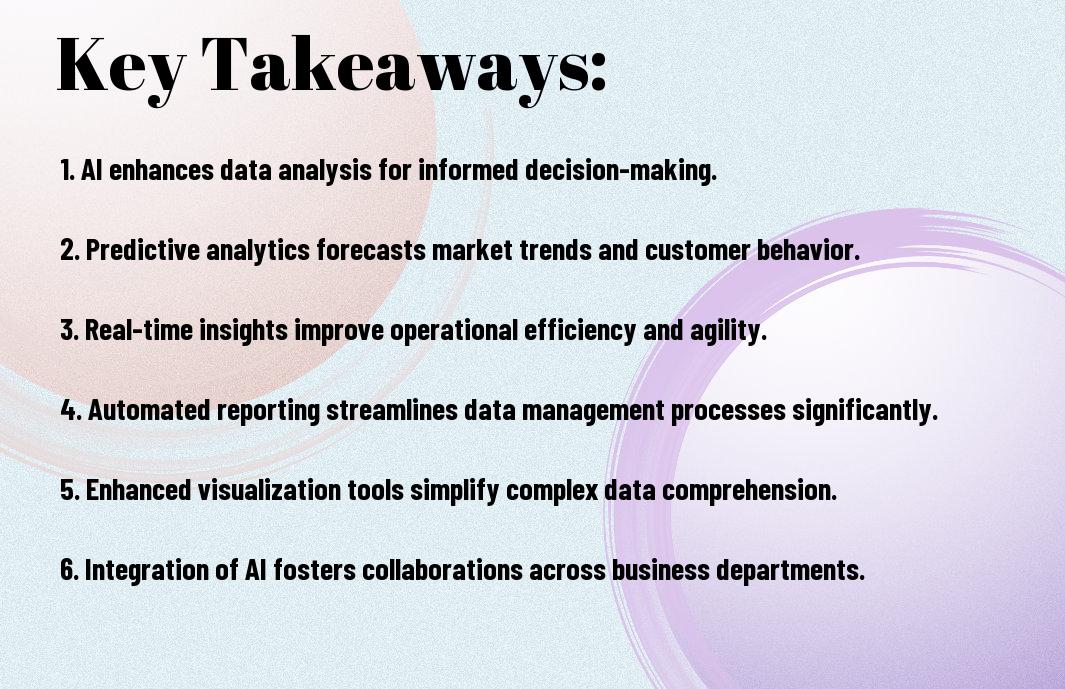
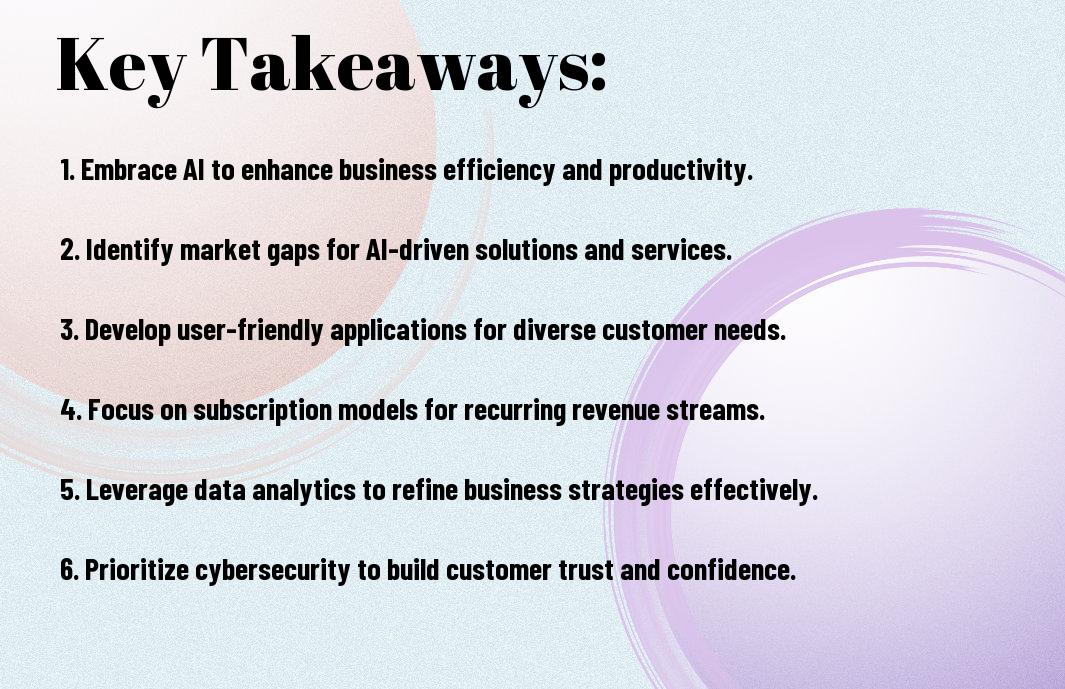
Key Takeaways:

  • Implementing AI solutions can significantly enhance business operations, leading to increased efficiency, productivity, and competitiveness, ultimately driving revenue growth and profitability.
  • Effective integration of AI requires a strategic approach, including identifying areas where AI can add value, developing a robust implementation plan, and ensuring ongoing monitoring and evaluation to maximize benefits.
  • Business leaders must prioritize investments in AI talent, data infrastructure, and continuous learning to stay ahead of the curve and unlock the full potential of AI in driving business success and wealth creation.

    The AI Revolution in Business

    While navigating the complexities of AI, you’ll discover its transformative power in business. As you explore AI’s potential, you’ll find it can enhance efficiency, drive innovation, and unlock new revenue streams, ultimately changing the way you operate and make decisions.

    The Tipping Point of AI Adoption

    Around this time, you’re likely considering how AI can benefit your organization, and you’re not alone. About now, many businesses are reaching the tipping point of AI adoption, where the benefits of implementation outweigh the costs, and you’re poised to make a significant impact on your industry.

    Separating Signal from Noise in AI Solutions

    Toward the end of your AI journey, you’ll need to sift through numerous solutions to find the ones that truly add value. Turning to trusted sources and experts will help you distinguish between effective and ineffective AI solutions, allowing you to make informed decisions about your investments.

    Revolutionizing your business with AI requires a deep understanding of what sets effective solutions apart from the rest. As you investigate deeper into the world of AI, you’ll need to evaluate solutions based on their ability to drive tangible results, such as increased efficiency, enhanced customer experiences, and data-driven insights that inform your strategic decisions, helping you to maximize your ROI and stay ahead of the competition.
    Strategic Implementation Framework

    Now that you have a solid understanding of AI’s potential, it’s time to develop a strategic implementation framework. This framework will serve as a guide for integrating AI into your business, ensuring you maximize its benefits and minimize potential risks. You will need to assess your current infrastructure, identify areas for improvement, and develop a plan for AI adoption.

    Identifying High-Value AI Applications

    Around this time, you should be considering which AI applications will bring the most value to your business. You will need to evaluate your operations, identifying areas where AI can streamline processes, improve efficiency, and drive innovation. This will help you prioritize your AI initiatives and ensure you are focusing on the most impactful projects.

    Building Your AI Roadmap

    Around the time you have identified high-value AI applications, you can start building your AI roadmap. You will need to define specific goals, objectives, and timelines for your AI initiatives, ensuring everyone in your organization is aligned and working towards the same outcomes. This roadmap will serve as a guide for your AI journey, helping you stay on track and make adjustments as needed.

    To develop a comprehensive AI roadmap, you will need to consider several factors, including your business goals, current infrastructure, and potential challenges. You should start by defining specific, measurable objectives for your AI initiatives, such as improving customer service or increasing operational efficiency. Next, you will need to assess your current infrastructure, identifying areas where AI can be integrated and potential roadblocks that may arise. With this information, you can create a detailed roadmap, outlining key milestones, timelines, and resource allocation. As you move forward, you will need to regularly review and update your roadmap, ensuring it remains aligned with your business goals and reflects any changes in the market or your organization.

    Financial Implications of AI Integration

    After integrating AI into your business, you can expect significant financial implications. To learn more about how AI can transform your business, you can download the Ai Wealth Creation Blueprint Book to unlock your full potential.

    Cost-Benefit Analysis of AI Systems

    Among the key considerations for AI integration is the cost-benefit analysis of AI systems, which you must carefully evaluate to ensure a successful implementation.

    ROI Metrics That Matter

    An crucial aspect of AI integration is understanding the ROI metrics that matter, which will help you measure the success of your AI investments and make informed decisions.

    CostBenefit analysis is key to understanding the ROI metrics that matter, as you will need to weigh the costs of implementing and maintaining AI systems against the potential benefits, such as increased efficiency and revenue growth, to determine the overall value of your AI investments and make adjustments as needed to optimize your returns.

    Leadership in the Age of Automation

    Keep in mind that as a business leader, you will need to adapt to the changing landscape of automation and AI. Your ability to lead and make informed decisions will be key to unlocking the potential of AI in your organization.

    Cultivating an AI-Ready Culture

    The foundation of a successful AI implementation lies in creating a culture that is open to innovation and change, and as you initiate on this journey, you will need to assess your organization’s readiness for AI adoption.

    The New Decision-Making Paradigm

    Across various industries, you will notice a shift in the way decisions are made, and you will need to be aware of the new paradigm that AI brings to the table, enabling you to make more informed decisions.

    DecisionMaking in the age of AI requires you to consider multiple factors, including data-driven insights, ethical implications, and potential risks, and as you navigate this new landscape, you will need to develop a framework that balances human judgment with AI-driven recommendations, allowing you to make decisions that drive business growth and profitability, while also ensuring that your organization remains competitive and agile in a rapidly changing market, and you will need to stay ahead of the curve to unlock the full potential of AI in your organization.

    Risk Management and Ethical Considerations

    For business leaders, understanding the risks and ethical implications of AI is imperative to unlocking its full potential. You must consider the potential consequences of AI on your organization and take steps to mitigate them.

    Navigating Regulatory Landscapes

    Following the development of your AI strategy, you will need to navigate the complex regulatory landscapes that govern AI adoption. You should stay informed about changing regulations and ensure your organization is compliant.

    Establishing Ethical Guardrails

    For your AI systems to be trustworthy, you need to establish ethical guardrails that align with your organization’s values. You should define clear guidelines and principles that ensure AI decision-making is fair, transparent, and accountable.

    A key aspect of establishing ethical guardrails is to consider the potential biases and risks associated with AI decision-making. As you develop your AI systems, you will need to prioritize fairness, transparency, and accountability, ensuring that your AI systems are aligned with your organization’s values and principles, and that you are prepared to address any ethical concerns that may arise, allowing you to build trust with your stakeholders and maintain a competitive edge in the market.

    Competitive Advantage Through AI

    Unlike traditional business strategies, leveraging AI can provide you with a unique edge in the market, enabling your company to stay ahead of the competition and drive growth.

    Creating Inimitable AI Assets

    With the right approach, you can develop AI-powered assets that are tailored to your business needs, setting you apart from others and driving long-term success.

    Scaling Your AI Capabilities

    Through strategic investment and planning, you can expand your AI capabilities, unlocking new opportunities and driving business growth.

    Inimitable AI solutions can be achieved by scaling your AI capabilities, allowing you to automate processes, enhance decision-making, and improve customer experiences, ultimately leading to increased revenue and market share, as you continue to innovate and refine your AI strategy to meet your evolving business needs.

    Final Words

    With this in mind, you now have the foundation to unlock your business’s full potential with AI. You can dive deeper into the subject by reading Unlocking AI’s Potential: A New Guide for Business Leaders, tailored to help you make informed decisions and drive your business forward with confidence, maximizing your wealth-building opportunities.

    FAQ

    Q: What is the main focus of the guide “Unlocking the Potential of AI – A Wealth-Building Guide for Business Leaders”?

    A: The guide is designed to help business leaders understand and harness the power of Artificial Intelligence (AI) to drive growth, increase efficiency, and build wealth. It provides a comprehensive roadmap for leveraging AI technologies to gain a competitive edge in the market and achieve long-term success.

    Q: Who is the target audience for this guide?

    A: The guide is specifically tailored for business leaders, including CEOs, entrepreneurs, and executives, who are looking to leverage AI to drive business transformation and growth. It is also relevant for professionals and individuals interested in understanding the applications and potential of AI in various industries.

    Q: What are the key benefits of implementing AI in business, as outlined in the guide?

    A: The guide highlights several key benefits of implementing AI in business, including increased efficiency, enhanced decision-making, improved customer experience, and accelerated innovation. It also explores how AI can help businesses automate routine tasks, predict market trends, and identify new opportunities for growth and expansion.

    Q: How does the guide address the challenges and risks associated with AI adoption?

    A: The guide provides a balanced view of the opportunities and challenges associated with AI adoption, including data privacy concerns, job displacement, and the need for significant investment in infrastructure and talent. It offers practical advice and strategies for mitigating these risks and ensuring a smooth transition to an AI-driven business model.

    Q: What kind of support and resources can readers expect to find in the guide to help them implement AI in their businesses?

    A: The guide offers a range of support and resources, including case studies, examples, and best practices from leading companies that have successfully implemented AI. It also provides a framework for developing an AI strategy, as well as tips and recommendations for building an AI-ready workforce and creating a culture of innovation and experimentation.

The AI Wealth Blueprint – Turning Technology into a Lucrative Business Model

As you navigate the rapidly evolving landscape of artificial intelligence, you’re likely wondering how to harness its power to drive business success. You’re looking to transform your understanding of AI into a tangible, profitable venture. Your goal is to leverage technology to boost your bottom line, and you’re seeking a clear roadmap to achieve this objective. This post will guide you through the process, providing valuable insights and expert advice to help you turn AI into a lucrative business model that yields significant returns on your investment.

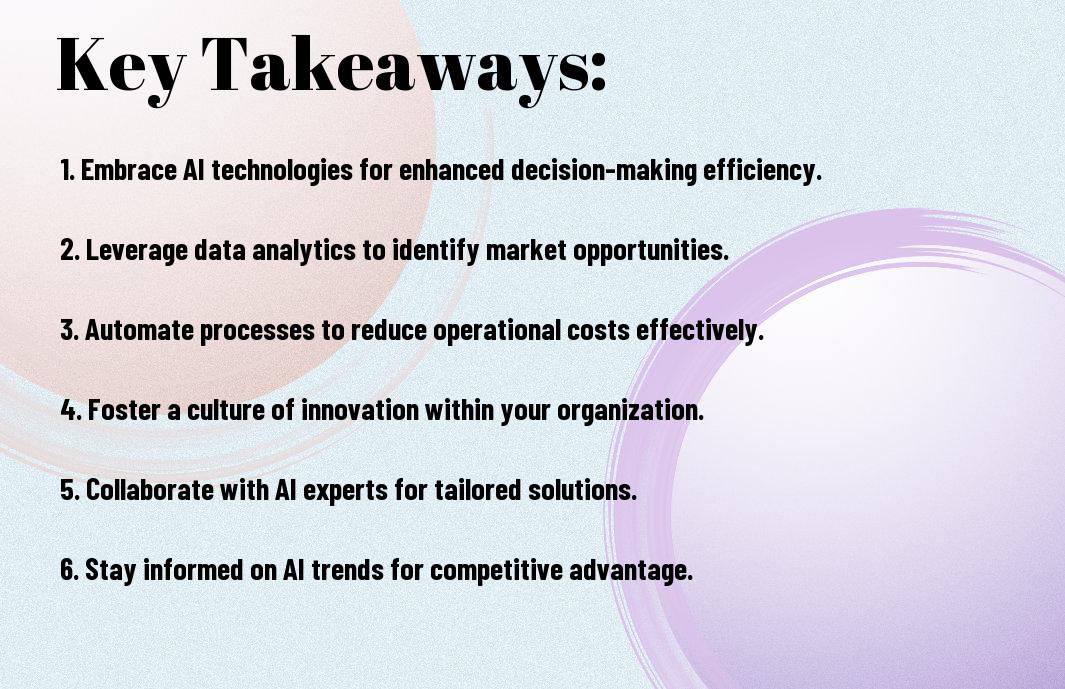
Key Takeaways:

  • The AI Wealth Blueprint provides a comprehensive guide on how to leverage artificial intelligence and technology to create a profitable business model, highlighting the potential for significant financial gains through strategic implementation and innovation.
  • By understanding the intersection of technology and business, entrepreneurs and investors can identify new opportunities for growth and development, using AI to drive efficiency, improve decision-making, and enhance customer experiences.
  • Effective execution of The AI Wealth Blueprint requires a deep understanding of the latest advancements in AI, as well as the ability to adapt and evolve business strategies in response to rapidly changing technological landscapes and market demands.

The Digital Gold Rush

Before entering into the world of AI, you need to understand the vast opportunities it presents. You are on the cusp of a revolution that can transform your business and generate significant wealth.

AI Market Evolution

Glorious advancements in AI have led to unprecedented growth, and you can capitalize on this trend. You will witness the emergence of new technologies and innovations that can be leveraged to create lucrative business models.

Identifying Profitable Niches

Around every corner, there are opportunities waiting to be seized. You can explore various AI applications and identify areas that align with your interests and expertise, paving the way for a successful business venture.

It is imperative to conduct thorough research and analyze market trends to identify profitable niches. You should focus on areas with high demand and limited competition, allowing you to establish a strong foothold in the market. By doing so, you can create a robust business model that generates significant revenue and drives long-term growth, ultimately helping you achieve your financial goals.

Core AI Business Models

Clearly, understanding the core AI business models is necessary to creating a lucrative business. You will need to explore various models, including subscription-based services and data monetization strategies, to determine which one suits your business needs.

Subscription-Based Services

Across various industries, you can leverage AI to offer subscription-based services, providing your customers with ongoing access to AI-powered tools and features, generating a steady revenue stream for your business.

Data Monetization Strategies

Business owners like you can capitalize on AI-driven data monetization strategies, enabling you to unlock new revenue streams and gain a competitive edge in the market.

For instance, you can utilize AI to analyze and process large datasets, creating valuable insights that can be sold to other businesses or used to inform your own business decisions, ultimately driving growth and increasing your bottom line.

Technology Infrastructure

Keep in mind that a robust technology infrastructure is vital for your AI-powered business. You can learn more about building a successful AI business by checking out the THE AI WEALTH CREATION BLUEPRINT eBook, which provides valuable insights and strategies for turning technology into a lucrative business model.

Essential AI Tools and Platforms

Among the various AI tools and platforms available, you will need to select the ones that best fit your business needs, considering factors such as scalability, security, and ease of use, to ensure seamless integration and optimal performance.

Scalability Framework

To achieve long-term success, you must design a scalability framework that allows your AI system to grow and adapt to increasing demands, ensuring that your business remains competitive and efficient.

Hence, as you develop your scalability framework, you should focus on creating a flexible and modular architecture that can be easily upgraded or modified, enabling your AI system to handle large volumes of data and traffic, while maintaining high performance and reliability, which is vital for your business to thrive in a rapidly changing market.

Revenue Generation Mechanics

All successful businesses rely on effective revenue generation mechanics to drive growth and profitability. You will need to develop a deep understanding of your target market and the value proposition your AI-powered business offers to create a robust revenue stream.

Pricing Strategies

After establishing your unique value proposition, you can develop pricing strategies that align with your business goals and customer expectations. You will need to consider factors such as production costs, market conditions, and competition to determine the optimal pricing for your AI-driven products or services.

Value Chain Optimization

Below the surface of your revenue generation mechanics lies the value chain, which encompasses all activities that create value for your customers. You can optimize your value chain by streamlining processes, reducing costs, and enhancing the overall customer experience.

A key aspect of value chain optimization is identifying areas where AI can be leveraged to improve efficiency, reduce waste, and create new opportunities for growth. As you analyze your value chain, you will be able to pinpoint bottlenecks and areas for improvement, allowing you to make data-driven decisions that drive your business forward and increase your revenue.

Risk Management

Many factors can impact your AI business, and it’s imperative to consider them when developing your strategy. You need to identify potential risks and develop plans to mitigate them, ensuring your business remains stable and profitable.

Technical Challenges

Beneath the surface of any AI project, technical issues can arise, and you must be prepared to address them. You should have a team of experts who can handle complex problems and find solutions quickly, minimizing downtime and ensuring your business continues to run smoothly.

Market Competition Safeguards

Prior to entering the market, you should have a plan in place to protect your business from competitors. You need to understand your unique selling points and develop strategies to differentiate your products or services, making them more attractive to customers.

Due to the ever-changing nature of the AI industry, you must stay ahead of the competition by continuously monitoring market trends and adjusting your strategy accordingly. You should also focus on building strong relationships with your customers, providing them with exceptional service and support, and encouraging loyalty to your brand, ultimately safeguarding your position in the market.

Growth and Scaling

Not every business can scale effectively, but with the right strategy, you can turn your AI technology into a lucrative business model. You will need to focus on expanding your market reach and building a strong partnership ecosystem to achieve growth.

Market Expansion Tactics

Gaining traction in new markets requires a thoughtful approach, you will need to identify opportunities and develop strategies to capitalize on them, expanding your customer base and increasing your revenue.

Partnership Ecosystems

Above all, building a strong network of partners is vital to your success, you will need to identify key stakeholders and collaborate with them to drive growth and innovation in your business.

For instance, you can leverage partnerships to access new technologies, expertise, and markets, enabling you to stay ahead of the competition and achieve your business goals, by doing so, you will be able to create a robust and sustainable business model that drives long-term growth and profitability.

Conclusion

Drawing together the key concepts, you now have a comprehensive understanding of how to leverage AI for financial gain. As you commence on your journey, you can refer to The AI Wealth Blueprint: A Real-World Guide to Building Your AI-Powered Business for expert guidance. With your newfound knowledge, you can turn technology into a lucrative business model, driving your success and transforming your financial future, as you apply your skills to build your AI-driven enterprise, shaping your prosperity.

FAQ

Q: What is The AI Wealth Blueprint and how can it help me turn technology into a lucrative business model?

A: The AI Wealth Blueprint is a comprehensive guide designed to help entrepreneurs and businesses harness the power of Artificial Intelligence (AI) to create profitable and sustainable business models. By following the blueprint, you will learn how to identify opportunities, develop strategies, and implement AI solutions that drive growth, increase efficiency, and generate significant revenue streams. With The AI Wealth Blueprint, you will gain the knowledge and tools necessary to stay ahead of the competition and capitalize on the vast potential of AI in the market.

Q: What kind of skills or experience do I need to have to benefit from The AI Wealth Blueprint?

A: The AI Wealth Blueprint is designed to be accessible to individuals from various backgrounds and industries. You don’t need to have extensive technical expertise in AI or programming to benefit from the blueprint. The guide provides a thorough introduction to AI concepts, technologies, and applications, making it suitable for beginners and experienced professionals alike. Whether you are an entrepreneur, business owner, or investor, The AI Wealth Blueprint will provide you with the insights and strategies necessary to leverage AI for business success.

Q: How does The AI Wealth Blueprint help me identify profitable AI business opportunities?

A: The AI Wealth Blueprint provides a structured approach to identifying and evaluating AI business opportunities. The guide includes market analysis, trend identification, and risk assessment tools to help you pinpoint high-potential areas for AI application. You will learn how to analyze industry trends, assess market demand, and evaluate the competitive landscape to determine the most lucrative opportunities for AI-driven businesses. By following the blueprint, you will be able to identify and capitalize on emerging trends and opportunities in the AI market.

Q: Can The AI Wealth Blueprint be applied to existing businesses, or is it only suitable for new ventures?

A: The AI Wealth Blueprint is designed to be flexible and adaptable to various business contexts. Whether you are looking to launch a new AI-driven venture or integrate AI into an existing business, the guide provides actionable strategies and tactics to help you achieve your goals. You will learn how to assess your current business operations, identify areas for AI integration, and develop a roadmap for implementation. The AI Wealth Blueprint can help you enhance your existing business model, improve efficiency, and unlock new revenue streams through AI adoption.

Q: What kind of support and resources are available to help me implement The AI Wealth Blueprint?

A: The AI Wealth Blueprint comes with a range of support resources and tools to help you implement the strategies and tactics outlined in the guide. You will gain access to a community of like-minded entrepreneurs and business leaders, as well as expert mentors and coaches who can provide guidance and support. Additionally, the blueprint includes templates, worksheets, and case studies to help you apply the concepts and principles to your specific business context. With The AI Wealth Blueprint, you will have everything you need to turn technology into a lucrative business model and achieve long-term success in the AI-driven economy.

Business Intelligence Redefined – Leveraging AI for Competitive Advantage

As you navigate the ever-evolving business landscape, you need to stay ahead of the curve to maintain a competitive edge. You can leverage artificial intelligence (AI) to redefine your business intelligence and make data-driven decisions. To develop a winning strategy, consider exploring resources like Strategy: Leveraging AI for Competitive Advantage, which can help you unlock your organization’s full potential and drive success.

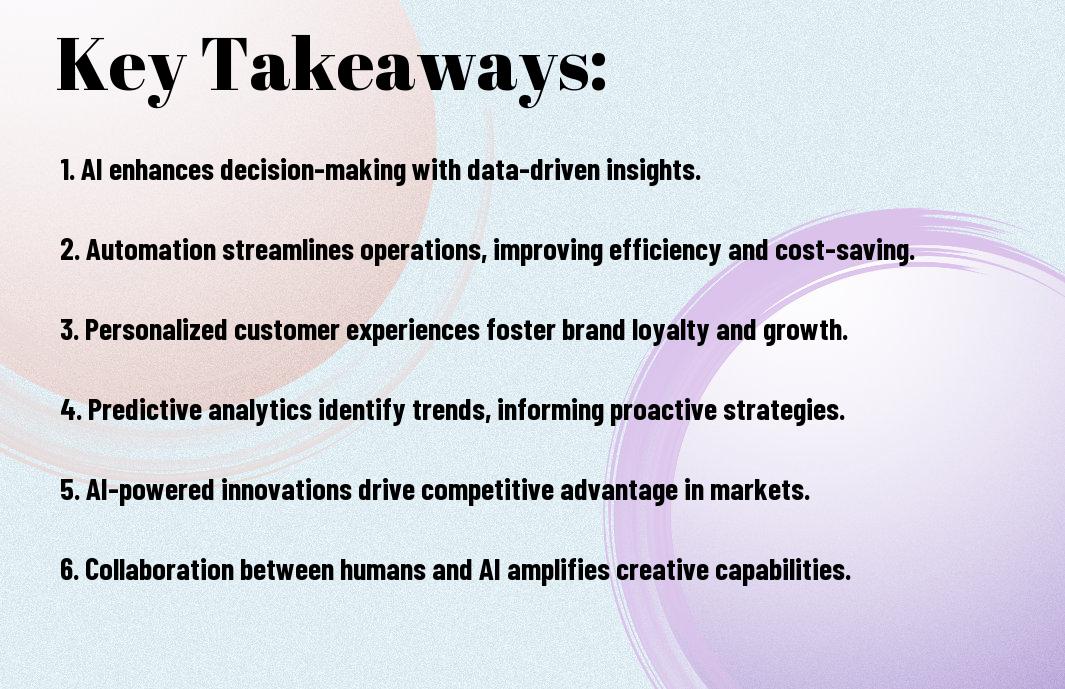
Key Takeaways:

  • Business Intelligence (BI) is evolving with the integration of Artificial Intelligence (AI), enabling organizations to make data-driven decisions and gain a competitive edge in the market by uncovering hidden patterns and insights that traditional BI methods may miss.
  • The application of AI in BI allows for the automation of routine analytical tasks, freeing up resources for more strategic and high-value tasks, and facilitating real-time analysis and decision-making.
  • By leveraging AI-driven BI, organizations can enhance their ability to predict market trends, identify new business opportunities, and optimize operational efficiency, ultimately leading to improved performance and sustained competitive advantage.

The Evolution of Business Intelligence

A significant transformation has taken place in the field of business intelligence, and you are now at the forefront of this change, poised to leverage its power for your competitive advantage.

Traditional BI Approaches

One of the primary limitations of traditional business intelligence approaches is their reliance on manual data analysis, which you have likely experienced firsthand, and this has hindered your ability to make swift, informed decisions.

The AI Revolution in Data Analytics

At the heart of the evolution of business intelligence lies the integration of artificial intelligence, which you can utilize to streamline your data analysis and uncover hidden insights that would be impossible to detect through traditional methods alone.

With the advent of AI-powered business intelligence, you can now automate many of the tasks that previously consumed a significant amount of your time, such as data processing and reporting, and focus on higher-level strategic decision-making that drives your business forward, enabling you to stay ahead of the competition and achieve your goals more efficiently.

Core AI Technologies Transforming Business Intelligence

Some of the key AI technologies driving this transformation include machine learning and natural language processing. You can learn more about How AI is Transforming Business Intelligence and discover how these technologies can enhance your business intelligence capabilities.

Machine Learning Applications

Any organization looking to leverage AI for business intelligence can start by exploring machine learning applications, which enable you to analyze large datasets and identify patterns that inform your business decisions, helping you to make more accurate predictions and drive growth.

Natural Language Processing in BI

To effectively analyze and interpret large amounts of unstructured data, you can utilize natural language processing, which allows you to extract insights from text-based data sources, such as customer feedback and social media posts, and integrate them into your business intelligence strategy.

It is worth noting that natural language processing can be particularly useful in business intelligence, as it enables you to analyze and understand the sentiment and tone of customer feedback, allowing you to make more informed decisions about your products and services, and ultimately driving your business forward with more precision and accuracy, giving you a competitive edge in the market.

Implementation Strategies

Once again, you’ll need to assess your business goals and identify areas where AI can drive the most value when implementing business intelligence solutions, ensuring a tailored approach that meets your unique needs.

Infrastructure Requirements

Around the same time, you will be evaluating your existing infrastructure to determine if it can support AI-powered business intelligence, and if not, what upgrades or new investments are necessary to ensure seamless integration.

Talent and Organizational Structure

Talented individuals with expertise in AI and data analysis will be imperative to your success, so you should focus on acquiring or developing the necessary skills within your organization to effectively leverage AI for business intelligence.

Considering your organization’s structure, you will need to ensure that it is adaptable and agile enough to respond to the insights and opportunities generated by AI-driven business intelligence, allowing you to stay ahead of the competition and drive growth, which means you should be prepared to make adjustments to your workflows, processes, and even your overall business model if necessary, to maximize the benefits of AI-powered business intelligence.

Competitive Advantage Metrics

Despite the numerous benefits of business intelligence, measuring its impact on your organization can be challenging. You need to define key metrics that align with your business objectives, such as revenue growth, customer satisfaction, and operational efficiency.

Measuring ROI of AI-Powered BI

Any analysis of your AI-powered business intelligence investment should consider the return on investment (ROI). You will want to assess how AI-driven insights are impacting your bottom line, and whether they are generating significant revenue or cost savings for your organization.

Performance Indicators

Among the key performance indicators (KPIs) you should track are those related to data quality, user adoption, and decision-making speed. You can use these metrics to evaluate the effectiveness of your business intelligence strategy and identify areas for improvement.

Another important aspect of performance indicators is that they help you to refine your business intelligence strategy over time. As you collect more data and analyze your KPIs, you can adjust your approach to better meet your business objectives, and make more informed decisions that drive growth and profitability for your organization. You will be able to identify trends, opportunities, and challenges, and respond quickly to changes in the market, giving you a competitive edge.

Risk Management

Now that you’re leveraging AI for business intelligence, you need to consider the risks involved. Effective risk management is vital to minimize potential threats and maximize benefits, ensuring your organization stays competitive.

Data Privacy Concerns

Between the lines of code and data analysis, you must address data privacy concerns. You should prioritize protecting sensitive information and ensure compliance with regulations to maintain trust and avoid reputational damage.

Algorithmic Bias Mitigation

To mitigate potential biases, you should implement strategies that detect and correct discriminatory patterns in your AI systems. You can achieve this by regularly auditing your algorithms and incorporating diverse data sets.

Mitigation of algorithmic bias is an ongoing process that requires your attention and effort. As you continue to develop and refine your AI systems, you should prioritize fairness and transparency, ensuring that your decision-making processes are unbiased and accurate, which will ultimately enhance your business intelligence capabilities and maintain your competitive edge.

Future Trends

After embracing AI in business intelligence, you will be able to make more informed decisions and stay ahead of the competition. Your organization will be able to analyze large amounts of data, identify patterns, and predict future trends, giving you a competitive advantage in the market.

Predictive Intelligence

Trending technologies like machine learning and deep learning will enable your business to forecast future outcomes, allowing you to make proactive decisions and stay ahead of the curve. Your ability to predict customer behavior and market trends will become more accurate, enabling you to optimize your strategies.

Autonomous Decision Systems

Above all, autonomous decision systems will revolutionize the way you make decisions, enabling your organization to respond quickly to changing market conditions. Your business will be able to automate decision-making processes, freeing up time for more strategic tasks.

But as you implement autonomous decision systems, you will need to ensure that they are aligned with your business goals and values. You will need to carefully evaluate the data and algorithms used to make decisions, and establish clear guidelines for when human intervention is necessary, allowing you to maintain control and accountability in your decision-making processes.

To wrap up

Ultimately, you now understand how Business Intelligence is redefined by leveraging AI for a competitive advantage. You can harness the power of AI to drive your business forward, making informed decisions with data-driven insights. Your organization will thrive in a rapidly changing market, staying ahead of the competition with AI-driven Business Intelligence, enhancing your strategic decision-making capabilities.

FAQ

Q: What is Business Intelligence Redefined, and how does it leverage AI for competitive advantage?

A: Business Intelligence Redefined refers to the transformation of traditional business intelligence by incorporating Artificial Intelligence (AI) and machine learning capabilities. This integration enables organizations to analyze vast amounts of data, identify patterns, and make data-driven decisions in real-time, thereby gaining a competitive advantage in the market. By leveraging AI, businesses can automate routine tasks, improve predictive analytics, and uncover new insights that inform strategic decisions.

Q: How does AI-driven Business Intelligence enhance decision-making processes within an organization?

A: AI-driven Business Intelligence enhances decision-making by providing organizations with accurate, timely, and relevant data insights. AI algorithms can analyze large datasets, identify trends, and predict outcomes, enabling businesses to make informed decisions quickly. Additionally, AI-powered BI tools can simulate different scenarios, assess risks, and provide recommendations, thereby facilitating more effective and data-driven decision-making.

Q: What are the key benefits of adopting AI-powered Business Intelligence solutions for businesses?

A: The key benefits of adopting AI-powered Business Intelligence solutions include improved operational efficiency, enhanced customer experience, and increased revenue growth. AI-driven BI solutions can automate routine tasks, freeing up resources for strategic activities. They can also provide personalized customer insights, enabling businesses to tailor their offerings and improve customer satisfaction. Furthermore, AI-powered BI can identify new business opportunities, optimize pricing strategies, and predict market trends, leading to increased revenue and competitiveness.

Q: How can organizations ensure the successful implementation of AI-powered Business Intelligence solutions?

A: To ensure the successful implementation of AI-powered Business Intelligence solutions, organizations should first define clear goals and objectives. They should then assess their current data infrastructure, identify gaps, and develop a roadmap for integration. It is also vital to invest in employee training and development, ensuring that teams have the necessary skills to work with AI-powered BI tools. Additionally, organizations should establish a governance framework to ensure data quality, security, and compliance, and continuously monitor and evaluate the performance of their AI-powered BI solutions.

Q: What is the future of Business Intelligence, and how will AI continue to shape the industry?

A: The future of Business Intelligence will be characterized by increased adoption of AI, machine learning, and cloud-based technologies. As AI continues to evolve, we can expect to see more advanced analytics capabilities, such as natural language processing, computer vision, and predictive maintenance. The use of AI will enable businesses to analyze complex data sets, identify new patterns, and make more accurate predictions. Furthermore, the integration of AI with emerging technologies like IoT, blockchain, and augmented reality will create new opportunities for businesses to innovate and stay ahead of the competition, redefining the role of Business Intelligence in driving strategic decision-making and growth.

The Future of Business – AI-Enhanced Strategies for Building a Fortune

As you navigate the ever-changing landscape of business, you’re likely aware that artificial intelligence (AI) is revolutionizing the way companies operate. You’re probably wondering how to leverage AI to drive your success. Your ability to adapt and innovate will be key to staying ahead of the competition. You’ll need to understand how AI can enhance your strategies, streamline operations, and boost profitability. This post will guide you through the process of building a fortune with AI-enhanced strategies.

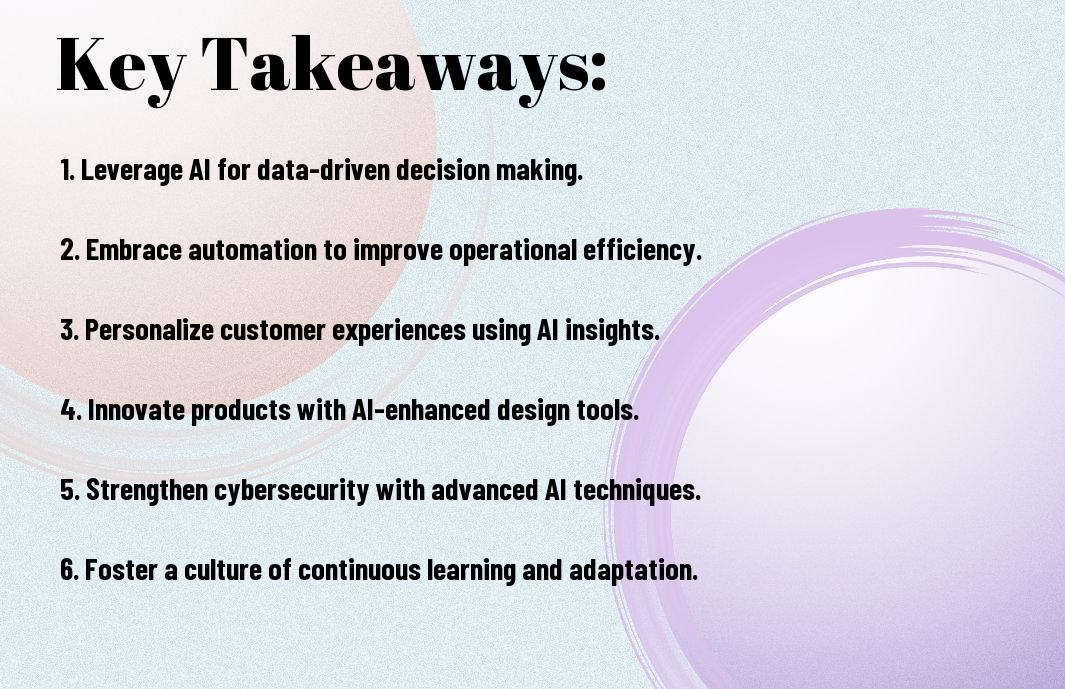
Key Takeaways:

  • Businesses can leverage AI to analyze vast amounts of data, identify patterns, and make informed decisions to stay ahead of the competition and drive growth.
  • AI-enhanced strategies can help companies automate routine tasks, streamline operations, and improve efficiency, allowing them to focus on high-value activities and innovate.
  • By embracing AI, organizations can develop new business models, create personalized customer experiences, and unlock new revenue streams, ultimately building a strong foundation for long-term success.

    The AI Revolution in Business

    To stay ahead in the business world, you need to understand the impact of AI on your industry. AI-enhanced strategies can help you build a fortune by leveraging machine learning, natural language processing, and data analytics.

    Transformative Technologies

    By embracing innovative solutions, you can streamline your operations, improve customer experience, and gain a competitive edge. Your business can benefit from AI-powered tools that automate tasks, provide insights, and drive growth.

    Market Disruption Potential

    By adopting AI, you can disrupt traditional markets and create new opportunities. Your ability to adapt to AI-driven changes will determine your success in the future business landscape.

    In addition, as you consider the market disruption potential of AI, you should think about how it can help you identify new revenue streams, optimize your supply chain, and enhance your decision-making processes. You can use AI to analyze large amounts of data, predict market trends, and make informed decisions that drive your business forward.

    Data-Driven Decision Making

    While leveraging data is vital for your business, it’s equally important to use it effectively. You can make informed decisions by analyzing data, which helps you stay ahead of the competition and drive growth.

    Predictive Analytics

    Making use of advanced algorithms, you can forecast future trends and patterns, enabling you to adjust your strategies accordingly. This helps you optimize your business operations and improve overall performance.

    Customer Behavior Insights

    Between understanding your customers’ needs and preferences, you can develop targeted marketing campaigns that yield better results. You can gain a deeper understanding of your customers by analyzing their behavior and purchasing patterns.

    Insights into customer behavior help you identify areas of improvement and opportunities to innovate, allowing you to stay competitive and build a loyal customer base. You can use these insights to personalize your services, improving customer satisfaction and driving long-term growth.

    AI-Powered Marketing Strategies

    Once again, you will be able to revolutionize your marketing efforts with AI-powered strategies, enabling you to make data-driven decisions and drive business growth.

    Personalization at Scale

    Around the concept of personalization, you can tailor your marketing messages to individual customers, increasing engagement and loyalty, with AI analyzing customer data and behavior to create targeted campaigns.

    Automated Campaign Optimization

    Scaling your marketing efforts, you can automate campaign optimization with AI, allowing you to test and refine your marketing strategies in real-time, ensuring maximum ROI.

    Another key benefit of automated campaign optimization is that it enables you to respond quickly to changes in the market, adjusting your strategies to stay ahead of the competition, and you can trust AI to analyze vast amounts of data, identifying areas for improvement and providing actionable insights to inform your marketing decisions.

    Operational Excellence Through Automation

    Despite the challenges of implementing automation, you can achieve operational excellence by streamlining processes and reducing manual errors, allowing your business to run more efficiently and effectively.

    Supply Chain Intelligence

    Across your organization, you will find opportunities to leverage AI-enhanced strategies, such as predictive analytics, to optimize supply chain management and improve decision-making, enabling your business to stay ahead of the competition.

    Resource Allocation Systems

    To maximize productivity, you can implement resource allocation systems that utilize AI to analyze your business needs and allocate resources accordingly, ensuring that your operations are running at peak performance.

    Also, by utilizing AI-powered resource allocation systems, you can gain valuable insights into your business operations, identifying areas of inefficiency and opportunities for growth, allowing you to make informed decisions to drive your business forward and increase your bottom line.

    Building Competitive Moats

    Not only will AI-enhanced strategies give you a competitive edge, but they will also help you build a strong foundation for your business. As you explore the possibilities of AI, consider learning more about What’s the Future of AI in Business? to stay ahead of the curve.

    Proprietary AI Systems

    Along with developing your AI strategy, you’ll need to invest in proprietary AI systems that can help you analyze data and make informed decisions. This will enable you to create a unique value proposition that sets your business apart from the competition.

    Talent Acquisition and Development

    Across various industries, you’ll need to focus on acquiring and developing talent that can help you implement AI-enhanced strategies. This includes hiring data scientists, AI engineers, and other professionals who can help you build and maintain your AI systems.

    Building on your talent acquisition and development efforts, you’ll need to create a culture that fosters innovation and continuous learning. This will enable you to stay up-to-date with the latest AI trends and technologies, and make adjustments to your strategy as needed to ensure your business remains competitive.

    Ethical Considerations and Risks

    Many businesses are now leveraging AI to drive growth, but you must consider the ethical implications of your actions. As you develop your AI-enhanced strategies, you need to be aware of the potential risks and take steps to mitigate them.

    Privacy Concerns

    Around the issue of data collection, you should be mindful of how you handle sensitive information. As you implement AI systems, you must ensure that your customers’ privacy is protected and that their data is secure.

    Algorithmic Bias Mitigation

    Bearing in mind the potential for bias in AI algorithms, you should take steps to address this issue. As you develop your AI systems, you need to consider how bias can impact your decision-making processes.

    To effectively mitigate algorithmic bias, you should prioritize transparency and accountability in your AI systems. You can achieve this by regularly auditing your algorithms and implementing diverse and inclusive data sets, which will help you identify and address any biases that may be present, ensuring that your AI-enhanced strategies are fair and unbiased, and ultimately benefiting your business and customers.

    To wrap up

    So, as you commence on your journey to build a fortune, you will need to harness the power of AI-enhanced strategies. You can learn more about the impact of AI on business by reading Future Of Business: How AI Is Transforming Fortune 500 …, which provides valuable insights into your future success. You will be well-equipped to make informed decisions and stay ahead of the curve in your industry.

    FAQ

    Q: What role will Artificial Intelligence (AI) play in shaping the future of business, and how can companies leverage AI to build a successful fortune?

    A: AI is poised to revolutionize the business landscape by automating processes, enhancing decision-making, and driving innovation. To leverage AI, companies should focus on developing AI-enhanced strategies that integrate machine learning, natural language processing, and data analytics to gain a competitive edge. By embracing AI, businesses can improve operational efficiency, personalize customer experiences, and uncover new revenue streams, ultimately paving the way for building a successful fortune.

    Q: How can businesses effectively implement AI-enhanced strategies to drive growth and profitability in a rapidly changing market?

    A: To implement AI-enhanced strategies, businesses should start by identifying areas where AI can add the most value, such as customer service, marketing, or supply chain management. They should then invest in AI technologies, such as chatbots, predictive analytics, or robotic process automation, and develop a robust data infrastructure to support AI adoption. Additionally, companies should foster a culture of innovation, encourage experimentation, and provide ongoing training to employees to ensure they have the necessary skills to work effectively with AI systems.

    Q: What are the potential risks and challenges associated with adopting AI-enhanced strategies, and how can businesses mitigate them?

    A: The adoption of AI-enhanced strategies carries potential risks, such as job displacement, data privacy concerns, and algorithmic bias. To mitigate these risks, businesses should prioritize transparency, accountability, and ethics in their AI development and deployment. They should also invest in employee retraining and upskilling programs to prepare workers for an AI-driven future. Furthermore, companies should establish robust governance frameworks to ensure AI systems are aligned with business values and comply with regulatory requirements.

    Q: How can small and medium-sized enterprises (SMEs) compete with larger corporations in adopting AI-enhanced strategies, and what resources are available to support their AI adoption?

    A: SMEs can compete with larger corporations by focusing on niche areas where AI can add significant value, such as customer service or marketing. They can also leverage cloud-based AI services, open-source AI platforms, and collaborative partnerships with AI startups or research institutions to access AI technologies and expertise. Additionally, SMEs can tap into government initiatives, industry associations, and non-profit organizations that provide funding, training, and resources to support AI adoption among small businesses.

    Q: What skills and expertise do business leaders need to develop to effectively lead their organizations in an AI-driven future, and how can they stay ahead of the curve in terms of AI trends and innovations?

    A: Business leaders need to develop a combination of technical, business, and soft skills to effectively lead their organizations in an AI-driven future. They should have a basic understanding of AI concepts, such as machine learning and data analytics, as well as the ability to communicate complex AI ideas to non-technical stakeholders. They should also possess strategic thinking, creativity, and emotional intelligence to drive AI adoption and lead their organizations through digital transformation. To stay ahead of the curve, business leaders should engage in ongoing learning, attend industry conferences, and participate in AI-focused communities and forums to stay informed about the latest AI trends and innovations.

The Role of Artificial Intelligence in Creating Next-Generation Business Empires

As you navigate the ever-evolving business landscape, you’re likely aware of the significant impact artificial intelligence (AI) is having on industries worldwide. You may be wondering how AI can transform your business into a next-generation empire. With its ability to analyze vast amounts of data and automate complex processes, AI is revolutionizing the way companies operate, making them more efficient and innovative. You will discover how AI can help you stay ahead of the competition and drive growth in your organization.

Key Takeaways:

  • Artificial intelligence (AI) is transforming the business landscape by enabling companies to make data-driven decisions, automate processes, and enhance customer experiences, ultimately leading to increased efficiency and competitiveness.
  • The integration of AI in business operations allows for the analysis of vast amounts of data, providing valuable insights that can inform strategic decisions and drive innovation, thereby creating new opportunities for growth and expansion.
  • Next-generation business empires will likely be built on AI-powered platforms that leverage machine learning, natural language processing, and computer vision to create immersive and personalized experiences for customers, setting them apart from traditional businesses.
  • The adoption of AI also raises important questions about job displacement, ethics, and accountability, highlighting the need for businesses to develop responsible AI strategies that prioritize transparency, fairness, and human well-being.
  • As AI continues to evolve, it is likely to play an increasingly significant role in shaping the future of business, with successful companies being those that can harness its potential to drive innovation, improve operations, and create sustainable value for stakeholders.

    The Tipping Point for AI in Business

    A significant shift is occurring as you explore the potential of artificial intelligence in your business, with Artificial Intelligence in Business Gets Real becoming a guiding principle for your strategy.

    From Experimental to Essential

    Against the backdrop of rapid technological advancements, you’re likely to find that AI is transforming from a novelty to a necessity in your business operations.

    The Small Changes That Spark Revolutions

    At the forefront of this transformation, you’ll notice that small, incremental changes are paving the way for significant revolutions in how you approach business challenges.

    Further, as you investigate deeper into the applications of AI, you’ll discover that these small changes can have a profound impact on your business, enabling you to streamline processes, enhance decision-making, and drive innovation, ultimately positioning your company for long-term success in an increasingly competitive landscape.

    AI as the New Corporate Outlier

    Any business leader looking to stay ahead of the curve should consider the impact of AI on their operations. As you explore the potential of AI, you’ll find that it’s Paving the way for new business achievements in the AI era.

    Companies That Leapt Ahead

    At the forefront of this revolution, you’ll find companies that have successfully integrated AI into their business models, allowing you to learn from their experiences and apply them to your own operations.

    The Patterns of AI-Driven Success

    Before exploring into the world of AI, you should understand the common patterns that successful companies have followed to achieve success with AI, and how you can apply these patterns to your own business.

    Even as you begin to explore the possibilities of AI, you’ll notice that successful companies have one thing in common: a deep understanding of how AI can be used to drive innovation and improve efficiency, allowing you to make informed decisions about how to integrate AI into your own business and stay ahead of the competition.

    The Cognitive Revolution in Corporate Decision-Making

    Unlike traditional methods, AI-driven decision-making enables you to analyze vast amounts of data, identify patterns, and make informed choices, thereby transforming your business strategy.

    Intuition Meets Algorithm

    Akin to a symbiotic relationship, your intuition and AI algorithms come together to enhance your decision-making capabilities, allowing you to make more accurate predictions and drive your business forward.

    The New Business Instinct

    Opposed to relying solely on gut feelings, you can now develop a data-driven instinct that guides your business decisions, enabling you to navigate complex markets and stay ahead of the competition.

    In addition, as you embrace this new business instinct, you’ll find that your ability to adapt to changing market conditions improves, allowing you to pivot your strategy and capitalize on new opportunities, ultimately leading to increased growth and success for your business empire.

    Reimagining Organizational Structure

    Many businesses are leveraging artificial intelligence to transform their operations, and you can do the same by adopting AI-powered tools to streamline your processes and enhance decision-making.

    Flattening Hierarchies Through Intelligence

    Structurally, AI is changing the way your organization functions, enabling you to break down traditional barriers and create a more agile, responsive system that allows you to adapt quickly to changing market conditions.

    The Human-AI Collaborative Framework

    Only by combining human intuition with AI-driven insights can you unlock the full potential of your business, and as you explore this collaborative approach, you’ll discover new ways to drive innovation and growth.

    With the Human-AI Collaborative Framework, you can create a symbiotic relationship between your team members and AI systems, allowing you to augment your capabilities, automate routine tasks, and focus on high-value activities that drive your business forward, enabling you to make more informed decisions and stay ahead of the competition.

    The Economics of Artificial Intelligence

    After understanding the potential of AI, you can explore its economic implications, including how it can benefit your business, as outlined in the 7 Benefits of Artificial Intelligence (AI) for Business, to make informed decisions.

    Investment Patterns and ROI Considerations

    Economically, you need to consider the investment patterns and ROI considerations when implementing AI in your business, as this will help you allocate your resources effectively and maximize your returns.

    The New Metrics of Business Value

    Along with the integration of AI, you will need to adopt new metrics to measure your business’s value, focusing on data-driven insights and performance indicators that reflect the impact of AI on your operations.

    Hence, as you probe into the new metrics of business value, you will discover that AI-driven data analysis enables you to track key performance indicators, such as customer engagement, process efficiency, and innovation, allowing you to make strategic decisions that drive your business forward and stay competitive in the market.

    Ethical Dimensions and Societal Impact

    Keep in mind that as you develop and implement AI solutions, you must consider the ethical implications and potential societal impact. Your actions will shape the future of business and society, and it’s vital to prioritize responsibility and transparency.

    Responsible AI Deployment

    Besides the technical aspects, you should focus on deploying AI in a way that aligns with your values and promotes fairness, accountability, and safety. Your approach to AI deployment will reflect on your brand and reputation, so it’s vital to get it right.

    Creating Sustainable AI Advantage

    Towards creating a sustainable AI advantage, you need to prioritize long-term benefits over short-term gains. Your goal should be to develop AI solutions that drive continuous innovation and improvement, while also ensuring that they are environmentally and socially sustainable.

    Also, as you strive to create a sustainable AI advantage, you will need to invest in ongoing research and development, staying up-to-date with the latest advancements and breakthroughs in AI technology. Your ability to adapt and evolve will be key to maintaining a competitive edge and ensuring that your AI solutions remain relevant and effective in the years to come.

    To wrap up

    Taking this into account, you now understand the significance of artificial intelligence in shaping your business’s future. As you begin on building your next-generation business empire, you will leverage AI to drive innovation, enhance efficiency, and make informed decisions. Your ability to harness AI’s potential will ultimately determine your success in the competitive market, allowing you to stay ahead of the curve and achieve your goals.

    FAQ

    Q: What is the primary role of Artificial Intelligence in creating next-generation business empires?

    A: The primary role of Artificial Intelligence (AI) in creating next-generation business empires is to drive innovation, enhance operational efficiency, and unlock new revenue streams. AI technologies such as machine learning, natural language processing, and predictive analytics enable businesses to analyze vast amounts of data, identify patterns, and make informed decisions. By leveraging AI, companies can automate routine tasks, improve customer experiences, and develop new products and services that meet evolving market demands.

    Q: How can Artificial Intelligence help businesses gain a competitive edge in the market?

    A: Artificial Intelligence can help businesses gain a competitive edge in the market by providing them with real-time insights, enabling them to respond quickly to changing market conditions, and improving their decision-making capabilities. AI-powered tools can analyze large datasets, identify trends, and predict future market shifts, allowing businesses to stay ahead of the competition. Additionally, AI-driven automation can help companies reduce costs, enhance productivity, and improve product quality, ultimately leading to increased customer satisfaction and loyalty.

    Q: What are the potential risks and challenges associated with implementing Artificial Intelligence in business, and how can they be mitigated?

    A: The potential risks and challenges associated with implementing Artificial Intelligence in business include data privacy and security concerns, job displacement, and the need for significant investments in AI infrastructure and talent. To mitigate these risks, businesses can implement robust data governance policies, invest in employee retraining and upskilling programs, and develop strategic partnerships with AI technology providers. Furthermore, companies can adopt a phased approach to AI adoption, starting with small-scale pilots and gradually scaling up to larger implementations, to minimize disruption and ensure a smooth transition to an AI-driven business model.

Bonza training Skip to content