Disruption

From Disruption to Dominance – How AI Drives Entrepreneurial Wealth

As you navigate the ever-changing landscape of entrepreneurship, you’re likely aware that artificial intelligence (AI) is revolutionizing the way businesses operate. You can capitalize on this trend to drive your own wealth. To stay ahead, you should understand how AI is transforming industries, as seen in the Fortune 500 In The AI Era: Navigating Disruption And Seizing Opportunities, and position your business for dominance in this new era.

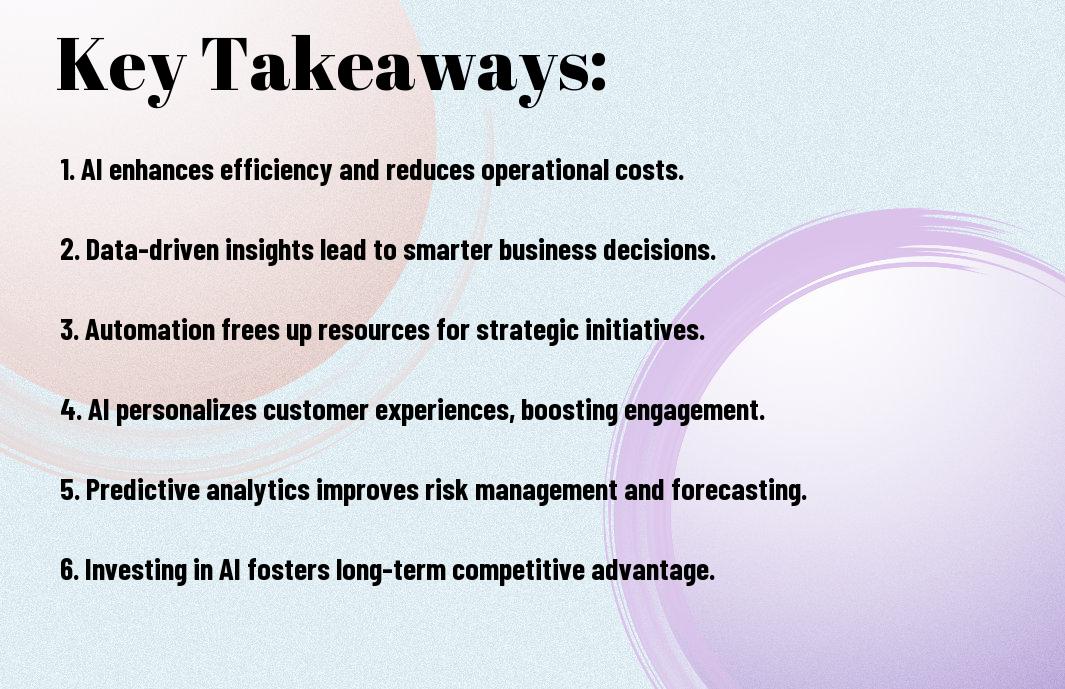
Key Takeaways:

  • AI technology has the potential to drive significant wealth creation for entrepreneurs who can harness its power, by automating processes, improving efficiency, and unlocking new business opportunities.
  • Entrepreneurs who successfully leverage AI can gain a competitive advantage, disrupt traditional industries, and create new markets, leading to dominance in their respective fields.
  • AI-driven businesses can scale quickly and efficiently, allowing entrepreneurs to achieve rapid growth and increased profitability, which can lead to substantial wealth creation.
  • To achieve success with AI, entrepreneurs must be willing to invest in the development of their AI capabilities, stay up-to-date with the latest advancements, and adapt their business strategies to capitalize on emerging trends.
  • By embracing AI and developing a deep understanding of its applications and potential, entrepreneurs can position themselves for long-term success and create a lasting impact on their industries, leading to significant wealth and legacy.

The AI Revolution in Business

To stay ahead in the business world, you need to understand the impact of AI on your industry. As AI technology advances, it’s transforming the way you operate, making you more efficient and competitive.

Transformative Technologies

By leveraging AI, you can automate tasks, gain insights, and make data-driven decisions, giving you a competitive edge. You can utilize AI-powered tools to streamline your operations and improve your bottom line.

Market Disruption Patterns

Behind every successful business is a strategy that anticipates and adapts to market disruptions. You can identify patterns and trends, and adjust your approach to stay ahead of the curve, ensuring your business thrives in a rapidly changing environment.

Another key aspect of market disruption patterns is the ability to pivot when necessary. You can use AI to analyze your market and make informed decisions about when to shift your strategy, allowing you to stay competitive and achieve your goals. By doing so, you can turn disruptions into opportunities for growth and innovation, driving your business forward and increasing your wealth.

Entrepreneurial Opportunity Landscape

It is crucial to understand the current market trends and identify areas where AI can be leveraged to drive growth and innovation, allowing you to make informed decisions about your entrepreneurial ventures.

Identifying AI-Ready Markets

Alongside the rapid development of AI technologies, you can capitalize on emerging markets that are ripe for disruption, enabling you to position your business for success and stay ahead of the competition.

First-Mover Advantage

Above all, you should prioritize seizing the first-mover advantage, as it allows you to establish your brand and capture a significant market share before others can follow in your footsteps.

The first-mover advantage is a significant benefit when it comes to AI-driven entrepreneurial ventures, as you can set the standard for your industry and influence the direction of future developments, giving you a unique opportunity to shape the market and create a lasting impact, allowing you to build a strong foundation for your business and drive long-term success.

Building AI-Powered Ventures

Despite the challenges, you can leverage AI to drive entrepreneurial wealth by creating innovative ventures that capitalize on emerging trends and technologies, allowing you to stay ahead of the competition and achieve dominance in your industry.

Technical Infrastructure

With the right foundation, you can build a robust technical infrastructure that supports your AI-powered venture, enabling you to develop and deploy AI solutions that drive business growth and improve efficiency, ultimately leading to increased profitability.

Talent Acquisition Strategies

Strategically, you will need to attract and retain top talent to drive your AI-powered venture forward, requiring you to develop effective recruitment and retention strategies that appeal to skilled professionals in the field of AI and machine learning.

In fact, as you develop your talent acquisition strategies, you will need to consider factors such as competitive compensation, opportunities for growth and development, and a culture that fosters innovation and collaboration, allowing you to build a high-performing team that can drive your venture to success.

Scaling With Artificial Intelligence

Many entrepreneurs are leveraging AI to drive business growth and increase their wealth. You can use AI to automate tasks, gain insights, and make data-driven decisions, ultimately leading to increased efficiency and profitability.

Operational Efficiencies

Around the concept of operational efficiencies, you’ll find that AI can help streamline your business processes, reducing costs and improving productivity. You can implement AI-powered tools to optimize your operations and enhance your overall business performance.

Exponential Growth Models

Along the lines of exponential growth models, you’ll discover that AI can help you identify new opportunities and create innovative business models. You can use AI to analyze market trends, predict customer behavior, and develop targeted marketing strategies.

With exponential growth models, you can take your business to the next level by creating a self-reinforcing cycle of growth and innovation. You can use AI to continuously monitor and improve your business, making adjustments as needed to stay ahead of the competition and achieve your goals. As you scale your business with AI, you’ll be able to make more informed decisions, drive more revenue, and increase your entrepreneurial wealth.

Investment and Funding Dynamics

All entrepreneurs seeking to leverage AI for wealth creation should understand the investment landscape. You can gain valuable insights from AI’s Influence on Wealth: Insights from the World’s Richest to inform your strategy.

Venture Capital Trends

Driven by the potential for exponential growth, you’ll find that venture capital firms are increasingly investing in AI-driven startups, and you can capitalize on this trend to fund your own business.

Alternative Financing Routes

Unlike traditional funding methods, alternative financing routes offer you more flexibility and accessibility, allowing you to secure the capital needed to drive your AI-powered venture forward.

To further explore alternative financing routes, you’ll discover that options like crowdfunding, angel investors, and incubators can provide the necessary support for your AI-driven business, helping you navigate the complex funding landscape and achieve your goals.

Risk Management Framework

Unlike traditional business models, AI-driven entrepreneurship requires a unique risk management framework that addresses the complexities of emerging technologies. You need to assess and mitigate risks associated with AI adoption to ensure your business thrives.

Technological Obsolescence

With the rapid pace of technological advancements, your AI systems can become outdated quickly. You must stay vigilant and adapt to new developments to maintain a competitive edge.

Regulatory Navigation

An crucial aspect of your risk management framework is navigating the evolving regulatory landscape. You need to stay informed about changing laws and regulations that impact your AI-driven business.

Consequently, as you research deeper into regulatory navigation, you will find that understanding the legal implications of AI on your business is vital. You should consult with experts and stay up-to-date on the latest developments to ensure your business remains compliant and avoids potential pitfalls.

Final Words

Considering all points, you now understand how AI drives entrepreneurial wealth. You have learned to harness its power, leveraging disruption to achieve dominance. Your business can thrive, as you apply AI-driven strategies to stay ahead. By embracing this technology, you will unlock new opportunities, driving your entrepreneurial journey forward and securing your place in the market, with your wealth and success on the rise.

FAQ

Q: What role does artificial intelligence (AI) play in driving entrepreneurial wealth, and how can entrepreneurs leverage it to achieve dominance in their respective markets?

A: AI plays a significant role in driving entrepreneurial wealth by automating processes, enhancing decision-making, and unlocking new business opportunities. Entrepreneurs can leverage AI to analyze vast amounts of data, identify patterns, and make informed decisions. By integrating AI into their business strategies, entrepreneurs can streamline operations, improve customer experiences, and gain a competitive edge in the market. This enables them to achieve dominance by innovating faster, reducing costs, and expanding their reach more efficiently than their competitors.

Q: How can entrepreneurs effectively incorporate AI into their business models to foster innovation and stay ahead of the disruption curve?

A: To effectively incorporate AI into their business models, entrepreneurs should start by identifying areas where AI can add the most value, such as customer service, marketing, or supply chain management. They should then invest in AI technologies like machine learning, natural language processing, or computer vision, depending on their specific needs. It’s also crucial for entrepreneurs to develop a data-driven culture within their organizations, ensuring that all departments are aligned and working towards leveraging AI for strategic decision-making. Furthermore, entrepreneurs should stay updated with the latest AI trends and advancements, attending workshops, conferences, and webinars to learn from industry experts and network with peers who are already successfully implementing AI solutions.

Q: What are the potential risks and challenges associated with adopting AI, and how can entrepreneurs mitigate them to ensure a successful transition to AI-driven business models?

A: The adoption of AI comes with several potential risks and challenges, including job displacement, data privacy concerns, and the need for significant upfront investment in technology and talent. To mitigate these risks, entrepreneurs should prioritize transparency and ethics in their AI adoption strategies, ensuring that they are using AI in ways that are fair, secure, and respectful of customer privacy. They should also invest in retraining and upskilling their workforce to work alongside AI systems, focusing on developing skills that are complementary to AI, such as creativity, empathy, and complex problem-solving. By taking a thoughtful and strategic approach to AI adoption, entrepreneurs can minimize the risks and maximize the benefits of AI, driving their businesses towards dominance in the market.


Digital Disruption – The Wealth-Building Potential of AI in Business

As you navigate the ever-changing business landscape, you’re likely aware of the significant impact artificial intelligence (AI) is having on industries worldwide. You may be wondering how to harness the power of AI to drive growth and increase your wealth. Your business can benefit from AI’s wealth-building potential, and understanding its applications is key to staying ahead of the curve. You will learn how to leverage AI to transform your business and unlock new opportunities for success.

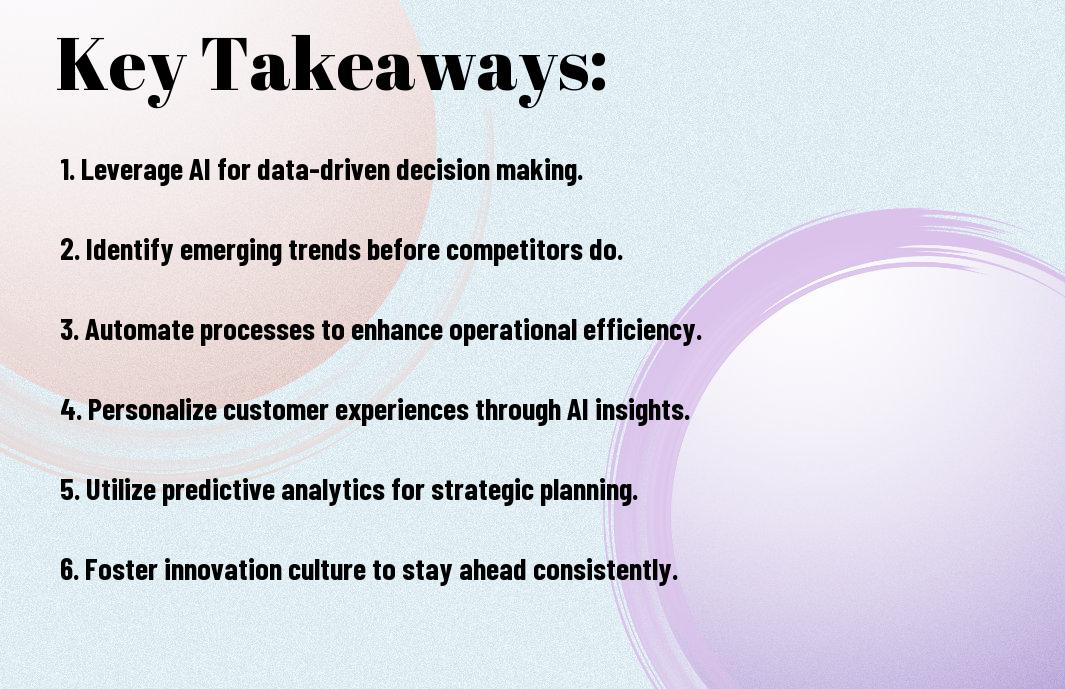
Key Takeaways:

  • Implementing AI in business can significantly enhance operational efficiency, leading to increased productivity and reduced costs, thereby contributing to wealth-building potential.
  • AI-driven technologies, such as machine learning and natural language processing, can analyze vast amounts of data, providing businesses with valuable insights to inform strategic decisions and drive growth.
  • Companies that effectively leverage AI can gain a competitive edge in the market, enabling them to innovate and adapt to changing consumer needs and preferences more quickly than their competitors.
  • Investing in AI can also lead to the creation of new business models and revenue streams, such as AI-powered services and products, which can further drive wealth creation and expansion.
  • As AI continues to evolve, businesses must prioritize ongoing learning and development to ensure they remain at the forefront of this technological shift and maximize the wealth-building potential of AI in their operations.

The Economic Landscape of AI

The economic landscape of AI is rapidly evolving, and you are likely to see significant changes in the way businesses operate. As AI technology advances, you can expect to see new opportunities for growth and development in various industries.

Market Projections and Growth Metrics

About 70% of businesses are expected to adopt AI technology in the next few years, and you will see a significant impact on the global economy. You can anticipate substantial growth in AI-related investments, and your business can benefit from this trend.

Investment Opportunities in the AI Ecosystem

Any investor looking to diversify their portfolio should consider the AI sector, as you can expect high returns on investment. You will find numerous opportunities to invest in AI startups, and your investment can lead to significant wealth creation.

Due to the rapid growth of the AI industry, you will have access to a wide range of investment opportunities, from venture capital funds to individual startups. You can invest in companies that develop AI-powered products, such as chatbots, virtual assistants, and predictive analytics tools, and your investment can lead to substantial wealth creation as these companies grow and expand their operations.

Transformative Business Models

While embracing AI, you can revolutionize your business operations and create new revenue streams, leading to significant wealth-building opportunities, as you explore innovative models that leverage AI’s capabilities.

Subscription-Based AI Services

Alongside traditional models, you can offer subscription-based AI services, providing your customers with ongoing access to AI-powered tools and expertise, generating recurring revenue and fostering long-term relationships.

Data Monetization Strategies

Across various industries, you can develop data monetization strategies, utilizing AI to extract valuable insights from your data and creating new revenue streams, such as data-as-a-service or AI-driven analytics platforms.

Due to the vast amounts of data being generated, you can leverage AI to identify patterns, trends, and correlations, and then use this information to create targeted products, services, or experiences, ultimately driving business growth and increasing your wealth-building potential, as you capitalize on the power of data-driven decision making.

Revenue Acceleration Through AI

Once again, you can leverage AI to boost your business’s revenue by streamlining processes and enhancing customer experiences, ultimately leading to increased profitability and competitiveness in the market.

Customer Acquisition Optimization

By utilizing AI-driven tools, you can optimize your customer acquisition strategies, allowing you to target the right audience and personalize your marketing efforts, resulting in higher conversion rates and improved brand loyalty.

Operational Efficiency Gains

Revenue growth can also be achieved through AI-driven operational efficiency gains, as you can automate routine tasks, reduce costs, and enhance productivity, freeing up resources to focus on high-value activities.

At the heart of operational efficiency gains is the ability to analyze vast amounts of data, identify areas of improvement, and implement AI-driven solutions to optimize your business processes, enabling you to make data-driven decisions and stay ahead of the competition, thereby driving your business forward and increasing your revenue potential.

Risk Management and AI Implementation

Unlike traditional business strategies, AI implementation requires a unique approach to risk management, as you navigate the complexities of integrating machine learning and automation into your operations. You must consider the potential risks and rewards of AI adoption, weighing the benefits of increased efficiency and innovation against potential drawbacks, such as job displacement and data security threats.

Initial Investment Considerations

Against the backdrop of rapidly evolving AI technologies, you should carefully evaluate your initial investment in AI, considering the potential return on investment and the resources required to implement and maintain AI systems, as you make informed decisions about how to allocate your budget and prioritize your AI initiatives.

Regulatory Navigation

Around the globe, regulatory frameworks are emerging to govern the development and deployment of AI, and you must stay informed about these developments, as you navigate the complex landscape of AI regulations and ensure that your business is compliant with relevant laws and standards.

At the heart of regulatory navigation is the need to balance innovation with responsibility, as you ensure that your AI systems are transparent, accountable, and aligned with ethical principles, and you should prioritize ongoing monitoring and adaptation to stay ahead of the curve, as regulatory requirements continue to evolve and shape the AI landscape, impacting your business and your customers.

Competitive Advantage Metrics

All businesses strive to stay ahead of the competition, and you can achieve this by leveraging AI to enhance your operations. You can learn more about wealth-building strategies through technology ownership by checking out 10 Wealth-Building Strategies Through Technology Ownership for Executives and Entrepreneurs.

Speed-to-Market Improvements

Taking a proactive approach to implementing AI solutions enables you to accelerate your time-to-market, allowing your business to adapt quickly to changing market conditions and stay competitive.

Innovation Capacity Expansion

Competitively, you need to continuously innovate to stay ahead, and AI can help you expand your innovation capacity, enabling your business to explore new opportunities and develop innovative products and services.

Innovation is key to driving business growth, and by expanding your innovation capacity through AI, you can unlock new revenue streams, improve customer experience, and enhance your overall competitiveness, allowing you to make informed decisions about your business and stay ahead of the curve.

Wealth Creation Case Examples

Many businesses have harnessed the power of AI to create unprecedented wealth, and you can learn from their examples to inform your own strategy. By examining successful case studies, you can gain insights into the potential of AI to drive growth and profitability in your own organization.

Startup Valuation Explosions

Following the integration of AI, you may witness significant increases in valuation, as startups that leverage AI tend to attract substantial investments and attention from the market, leading to rapid growth and increased value.

Enterprise Value Multiplication

Explosive growth is often seen in enterprises that successfully implement AI, as you can experience a multiplication of your enterprise’s value through increased efficiency, improved decision-making, and enhanced customer experiences.

Case studies of companies that have achieved remarkable success through AI adoption demonstrate the potential for significant returns on investment, and as you explore these examples, you will see how AI can be a key driver of growth and profitability in your own business, enabling you to make informed decisions about your AI strategy and investments.

Final Words

Ultimately, you now understand the wealth-building potential of AI in business, and your ability to harness it will be key to your success. You can leverage AI to drive innovation, optimize operations, and create new revenue streams. As you move forward, your strategic use of AI will be necessary in staying ahead of the competition and achieving your business goals. You are poised to unlock new opportunities and drive growth, and your future in the digital landscape looks promising.

FAQ

Q: What is digital disruption and how is it related to AI in business?

A: Digital disruption refers to the transformation of traditional business models and processes through the adoption of digital technologies, including Artificial Intelligence (AI). AI has the potential to disrupt various industries by automating tasks, enhancing decision-making, and creating new revenue streams. As businesses leverage AI, they can improve operational efficiency, reduce costs, and develop innovative products and services, ultimately leading to increased competitiveness and wealth-building opportunities.

Q: How can businesses harness the wealth-building potential of AI?

A: To harness the wealth-building potential of AI, businesses should focus on identifying areas where AI can add significant value, such as process automation, predictive analytics, and customer service enhancement. They should also invest in AI talent, develop a robust data infrastructure, and foster a culture of innovation and experimentation. Additionally, businesses should prioritize AI ethics and transparency to ensure that AI systems are fair, accountable, and aligned with their values and goals. By taking a strategic and responsible approach to AI adoption, businesses can unlock new revenue streams, improve profitability, and drive long-term growth.

Q: What are the potential risks and challenges associated with AI adoption in business, and how can they be mitigated?

A: The potential risks and challenges associated with AI adoption in business include job displacement, data privacy concerns, and algorithmic bias. To mitigate these risks, businesses should prioritize AI education and training for their workforce, ensuring that employees have the skills to work effectively with AI systems. They should also implement robust data governance and security measures to protect sensitive information and prevent data breaches. Furthermore, businesses should establish clear guidelines and protocols for AI development and deployment, including regular auditing and testing to detect and address potential biases and errors. By being aware of these risks and taking proactive steps to address them, businesses can minimize the potential downsides of AI adoption and maximize its wealth-building potential.

Disrupting Markets – AI Strategies for Outpacing Competitors and Building Wealth

You are on the cusp of a revolution in business, where artificial intelligence (AI) is transforming the landscape. As you navigate this new terrain, you can leverage AI to outmaneuver your competitors and build wealth. Your ability to adapt and innovate will be key to staying ahead, and with the right AI strategies, you can disrupt markets and achieve unparalleled success. You will learn how to harness AI’s power to drive your business forward.

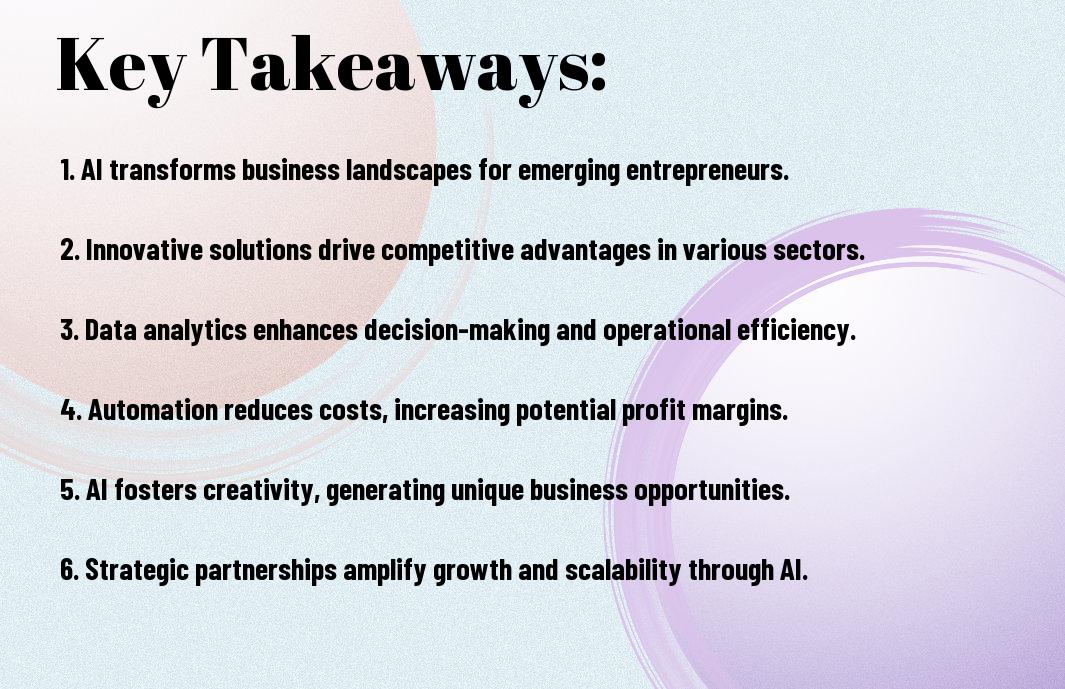
Key Takeaways:

  • Embracing AI can be a significant factor in outpacing competitors, as it enables businesses to innovate and improve their operations, leading to increased efficiency and profitability.
  • Implementing AI strategies requires a deep understanding of the technology and its potential applications, as well as a willingness to experiment and adapt to changing market conditions.
  • AI can help businesses identify and capitalize on new market opportunities, such as emerging trends and untapped customer needs, allowing them to stay ahead of the competition.
  • Effective AI strategies involve integrating the technology into existing business processes, rather than treating it as a separate entity, to maximize its potential impact and create a competitive advantage.
  • By leveraging AI, businesses can build wealth and drive long-term growth, but this requires a strategic and sustained commitment to innovation and investment in the technology.

The AI Revolution in Market Dynamics

To stay ahead in today’s fast-paced business landscape, you need to understand the impact of AI on market dynamics. You will learn how AI strategies can help you outpace competitors and build wealth.

Creative Destruction and Market Inefficiencies

Revamping traditional market structures, AI introduces new opportunities for growth. You can leverage AI to identify and capitalize on market inefficiencies, giving you a competitive edge.

The Exponential Advantage

Accelerating your business growth, AI provides an exponential advantage. You can utilize AI to analyze vast amounts of data, make informed decisions, and drive innovation.

It is necessary to recognize that the exponential advantage of AI is not just about technology, but about how you choose to apply it to your business. You can use AI to automate routine tasks, freeing up resources for more strategic initiatives, and enabling you to focus on high-value activities that drive growth and profitability. By harnessing the power of AI, you can unlock new opportunities, disrupt markets, and build wealth.

Strategic AI Implementation

Any successful AI strategy begins with a clear understanding of your business goals and objectives. You need to identify areas where AI can have the greatest impact and develop a roadmap for implementation. This involves assessing your current infrastructure, data assets, and talent pool to determine the best approach for integrating AI into your operations.

Algorithmic Decision-Making Frameworks

Around the development of AI, you’ll need to establish frameworks that support algorithmic decision-making. You should consider how AI will inform your business decisions and develop processes to ensure that AI-driven insights are integrated into your decision-making workflows.

Predictive Analytics as Competitive Moat

Between the various AI strategies you can employ, predictive analytics stands out as a key differentiator. You can use predictive analytics to forecast market trends, anticipate customer behavior, and identify new business opportunities, giving you a significant edge over your competitors.

Moat of predictive analytics is what sets your business apart from others, providing a sustainable competitive advantage. You can leverage predictive analytics to optimize your operations, improve customer engagement, and drive revenue growth, making it an necessary component of your AI strategy. As you develop your predictive analytics capabilities, you’ll be able to make more informed decisions and stay ahead of the competition.

Data as the New Capital

Keep in mind that data is the lifeblood of any successful AI strategy, and having access to the right information can be a major differentiator in outpacing your competitors.

Proprietary Data Ecosystems

Driven by the need for unique insights, you will need to develop proprietary data ecosystems that provide your business with a competitive edge, enabling you to make informed decisions and drive growth.

Mining Behavioral Insights

Albeit complex, mining behavioral insights from your data can help you better understand your customers and develop targeted strategies to meet their needs, ultimately driving business success.

Even as you probe deeper into the world of data analysis, you will find that mining behavioral insights can help you identify patterns and trends that may not be immediately apparent, allowing you to refine your approach and make more informed decisions about your business, giving you a significant advantage over your competitors and enabling you to build wealth in the process.

AI-Driven Business Models

Unlike traditional business models, AI-driven models focus on leveraging artificial intelligence to create new revenue streams and disrupt markets, allowing you to outpace your competitors and build wealth.

Platform Economics and Network Effects

Akin to a snowball effect, platform economics and network effects can help your business grow exponentially, as more users join your platform, increasing its value and attracting even more users, ultimately benefiting your bottom line.

Subscription and Recurring Revenue Structures

At the heart of many successful AI-driven businesses are subscription and recurring revenue structures, which provide you with a steady stream of income and encourage customer loyalty, allowing you to focus on innovating and expanding your offerings.

Effects of implementing subscription and recurring revenue structures can be significant, as you’ll be able to better predict your cash flow, invest in new technologies, and respond to changing market conditions, giving you a competitive edge and enabling you to achieve your business goals more efficiently.

Risk Management in AI Deployment

Once again, you will need to consider the potential risks associated with AI deployment, as they can have a significant impact on your business. You must assess and mitigate these risks to ensure successful AI integration and maintain a competitive edge.

Technical Debt and System Vulnerabilities

Along with the benefits of AI, you will also encounter technical challenges that can lead to system vulnerabilities. You should be aware of these potential issues and take steps to address them, ensuring the security and reliability of your AI systems.

Regulatory Navigation and Ethical Considerations

Risky AI deployments can lead to regulatory issues and ethical concerns. You must navigate these complexities to avoid potential pitfalls and ensure your AI systems are compliant with relevant laws and regulations.

Ethical considerations are paramount when deploying AI, as you will be dealing with sensitive data and making decisions that can impact your customers and business. You should prioritize transparency, fairness, and accountability in your AI systems, ensuring that they align with your values and principles, and those of your stakeholders, to build trust and maintain a positive reputation.

Talent Acquisition and Development

For businesses seeking to outpace competitors, acquiring and developing top AI talent is necessary. You need to attract and retain skilled professionals who can drive innovation and growth in your organization.

Building High-Performance AI Teams

Alongside assembling a talented team, you should focus on creating an environment that fosters collaboration and creativity, allowing your team to thrive and drive your AI strategy forward.

Cultivating Institutional Knowledge

Developing a deep understanding of AI and its applications within your organization is vital. You can achieve this by investing in training and development programs that enhance your team’s skills and knowledge.

Talent acquisition is just the first step in building a successful AI team. As you cultivate institutional knowledge, you will be able to leverage your team’s expertise to drive business growth, improve decision-making, and stay ahead of the competition, allowing you to make the most of your AI investments and achieve your business goals.

Final Words

Considering all points, you now have the tools to disrupt markets and outpace competitors. You can leverage AI strategies to build wealth and stay ahead. To succeed, you must prioritize speed and agility, as In the age of AI: Speed matters more, scale matters less. By embracing this mindset, you will be well-equipped to drive innovation and achieve your business goals.

FAQ

Q: What is the main concept of “Disrupting Markets – AI Strategies for Outpacing Competitors and Building Wealth” and how can it help businesses?

A: The main concept of “Disrupting Markets – AI Strategies for Outpacing Competitors and Building Wealth” revolves around leveraging Artificial Intelligence (AI) to innovate and disrupt existing market dynamics, thereby outpacing competitors and creating new wealth opportunities. This approach focuses on utilizing AI technologies to analyze market trends, predict consumer behavior, and develop innovative products and services that meet evolving customer needs. By adopting AI strategies, businesses can enhance their competitiveness, improve operational efficiency, and unlock new revenue streams, ultimately leading to sustained growth and wealth creation.

Q: How can small and medium-sized enterprises (SMEs) implement AI strategies to disrupt markets and compete with larger corporations?

A: SMEs can implement AI strategies to disrupt markets by starting with accessible and affordable AI solutions that address specific business challenges. This can include adopting cloud-based AI services, leveraging open-source AI tools, and collaborating with AI startups or research institutions. SMEs should focus on developing a clear understanding of their customer needs and market trends, and then apply AI to enhance customer engagement, improve operational efficiency, and develop innovative products or services. Additionally, SMEs can explore emerging AI technologies like machine learning and natural language processing to analyze customer data, predict market trends, and make informed business decisions. By taking a strategic and incremental approach to AI adoption, SMEs can effectively compete with larger corporations and disrupt markets.

Q: What are the potential risks and challenges associated with implementing AI strategies to disrupt markets, and how can businesses mitigate them?

A: The potential risks and challenges associated with implementing AI strategies to disrupt markets include data privacy and security concerns, job displacement, and the need for significant investments in AI talent and infrastructure. To mitigate these risks, businesses should prioritize transparency and accountability in their AI adoption, ensuring that they comply with relevant data protection regulations and maintain the trust of their customers and stakeholders. Businesses should also invest in retraining and upskilling their workforce to work effectively with AI systems, and develop strategies to address potential job displacement. Furthermore, businesses should adopt a phased approach to AI adoption, starting with small-scale pilots and gradually scaling up their AI initiatives to minimize risks and maximize returns on investment. By being aware of these challenges and taking proactive steps to address them, businesses can successfully navigate the risks associated with AI adoption and achieve their goals of disrupting markets and building wealth.

Skip to content