AI

Leveraging AI to Optimize Business Operations and Increase Profitability

You are likely aware that artificial intelligence (AI) is transforming the business landscape, and your company can benefit from it. By implementing AI solutions, you can streamline your operations, enhance efficiency, and drive growth. Your business can experience significant improvements in productivity and profitability by leveraging AI to analyze data, automate tasks, and make informed decisions. As you explore the potential of AI, you will discover new opportunities to optimize your operations and stay ahead of the competition.

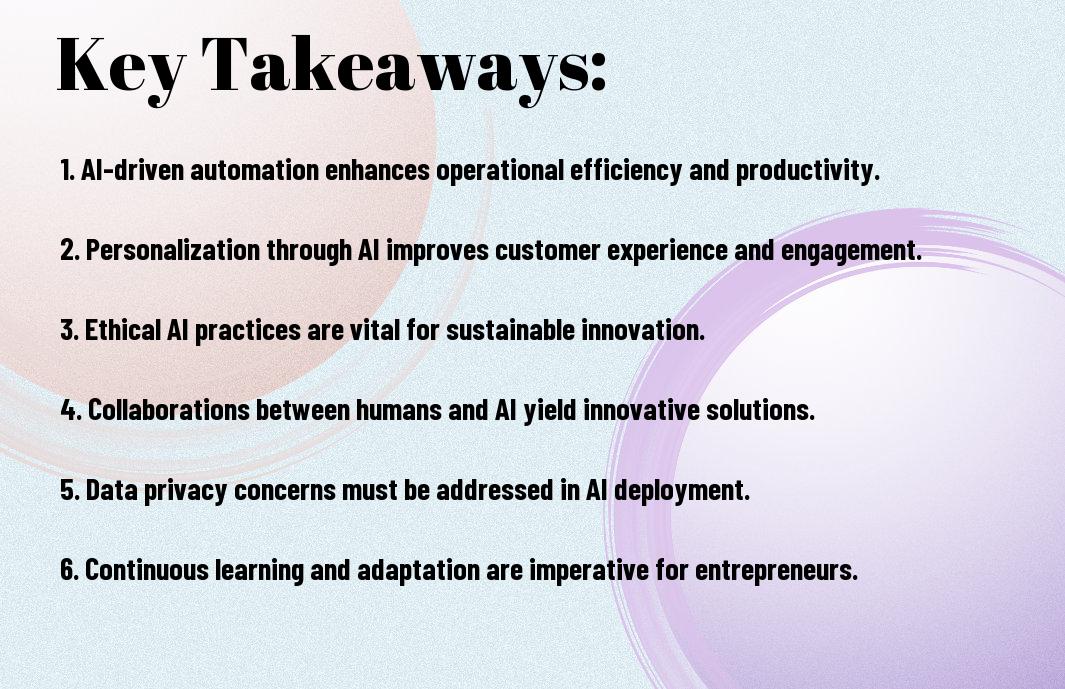
Key Takeaways:

  • Implementing AI solutions can significantly streamline business operations by automating repetitive tasks, enhancing efficiency, and reducing manual errors, leading to increased productivity and cost savings.
  • AI-driven analytics can provide valuable insights into customer behavior, market trends, and operational performance, enabling data-driven decision-making and strategic planning to drive business growth and profitability.
  • AI-powered chatbots and virtual assistants can improve customer service by providing 24/7 support, personalized experiences, and swift issue resolution, resulting in enhanced customer satisfaction and loyalty.
  • AI can help optimize supply chain management by predicting demand, managing inventory, and identifying potential disruptions, allowing businesses to respond quickly to changes and minimize losses.
  • By leveraging AI to optimize business operations, companies can gain a competitive edge, drive innovation, and unlock new revenue streams, ultimately leading to increased profitability and long-term success.
The Current Business Landscape

The modern business environment is characterized by rapid change and increasing competition, forcing you to adapt and innovate to stay ahead. You face numerous challenges in optimizing your operations, from managing complex supply chains to analyzing vast amounts of data. As you navigate this landscape, you must consider how to leverage technology to improve efficiency and drive profitability.

Traditional Operational Challenges

Tackling operational inefficiencies is key to your success, as you strive to streamline processes and reduce costs. You need to identify areas where manual processes are holding you back and explore ways to automate and optimize them. By doing so, you can free up resources to focus on high-value tasks and drive growth.

The Cost of Inefficiency

Challenged by outdated systems and processes, you may be leaving money on the table. You understand that inefficiency can have a significant impact on your bottom line, and you’re looking for ways to address these issues. As you assess your operations, you’ll likely uncover opportunities to reduce waste and improve productivity.

Operational inefficiencies can have far-reaching consequences, affecting not only your profitability but also your ability to compete in the market. You may be experiencing delays, errors, or wasted resources, which can erode customer trust and damage your reputation. By understanding the true cost of inefficiency, you can make informed decisions about where to invest in technology and process improvements, ultimately driving your business forward and achieving your goals.

AI Technologies Transforming Operations

There’s a significant shift in how businesses operate, thanks to AI technologies. You can now automate tasks, enhance decision-making, and improve overall efficiency. Your business can benefit from AI-powered solutions, leading to increased productivity and profitability.

Machine Learning Applications

To take your business to the next level, you can leverage machine learning applications. You’ll be able to analyze data, identify patterns, and make informed decisions. Your operations will become more streamlined, and you’ll gain a competitive edge.

Predictive Analytics Tools

Technologies like predictive analytics tools are revolutionizing business operations. You can now forecast trends, anticipate challenges, and make data-driven decisions. Your business will become more agile, and you’ll be able to stay ahead of the curve.

The predictive analytics tools at your disposal can help you uncover hidden insights, identify opportunities, and mitigate risks. You’ll be able to analyze large datasets, detect patterns, and make predictions about future outcomes. By leveraging these tools, you can optimize your operations, improve customer satisfaction, and increase your bottom line.

Implementation Strategies

Unlike other business initiatives, implementing AI requires a thoughtful and multi-step approach. You will need to consider your organization’s specific needs and goals, as well as the potential risks and challenges associated with AI adoption. By taking a strategic and informed approach, you can ensure a successful implementation that drives business value and increases profitability.

Assessment and Planning

Betwixt the initial decision to adopt AI and the actual implementation, you must conduct a thorough assessment of your organization’s readiness and develop a comprehensive plan. You should identify areas where AI can have the greatest impact, assess your data and infrastructure, and develop a roadmap for implementation.

Phased Deployment Approach

Around the time you start implementing AI, you will need to consider a phased deployment approach. You should prioritize your use cases, start with small pilots, and gradually scale up to larger deployments. This approach allows you to test and refine your AI solutions, address any issues that arise, and build confidence in the technology.

Approach your phased deployment with a focus on delivering business value at each stage. You should establish clear goals and metrics for success, monitor progress closely, and make adjustments as needed. By taking a phased approach, you can minimize risk, maximize returns, and ensure that your AI investments deliver tangible benefits to your organization. As you progress through each phase, you will be able to refine your strategy, build on your successes, and drive greater value from your AI initiatives.

Data Management for AI Success

Now that you’re exploring the potential of AI to optimize your business operations, effective data management is imperative to drive success. You need to ensure that your data is accurate, reliable, and relevant to your business goals.

Data Collection Frameworks

Before you can leverage AI, you need to establish robust data collection frameworks that capture relevant information from various sources, allowing you to make informed decisions and drive business growth.

Quality Control Measures

After collecting your data, you must implement quality control measures to ensure its accuracy and consistency, enabling you to trust your AI-driven insights and recommendations.

Considering the significance of quality control, you should implement measures such as data validation, data cleansing, and data normalization to ensure your data is reliable and consistent, which will ultimately enhance the performance of your AI systems and support your business decisions.

Measuring ROI from AI Initiatives

Not all AI initiatives yield immediate results, but with careful planning and measurement, you can determine their impact on your business. You need to establish a framework to assess the effectiveness of your AI investments and identify areas for improvement.

Key Performance Indicators

Above all, you should focus on metrics that matter most to your business, such as revenue growth, customer satisfaction, and cost reduction. You can use these indicators to evaluate the success of your AI initiatives and make informed decisions about future investments.

Long-term Value Metrics

Among the various metrics, long-term value metrics help you understand the sustained impact of AI on your business. You should consider metrics like customer lifetime value, retention rate, and return on investment to assess the long-term benefits of your AI initiatives.

And as you investigate deeper into long-term value metrics, you will discover that they provide a more comprehensive understanding of your AI investments. You can use these metrics to identify trends, anticipate challenges, and make strategic decisions that drive your business forward, ultimately increasing your profitability and competitiveness in the market. You will be able to refine your AI strategies, optimize your operations, and achieve your business goals more effectively.

Overcoming Resistance to AI Adoption

Keep in mind that introducing AI to your business operations may face resistance from employees. You need to address their concerns and provide a clear understanding of how AI will benefit your organization.

Employee Training Programs

Alongside this, you should develop training programs to help your employees acquire the necessary skills to work with AI systems, ensuring a smooth transition and increased productivity.

Cultural Transformation

Teaching your employees to embrace AI as a tool, rather than a replacement, is crucial for successful integration, and you should encourage collaboration between humans and machines to achieve your business goals.

Hence, as you commence on this cultural transformation, you will notice a significant shift in your employees’ mindset, from fearing AI to leveraging its capabilities to drive innovation and growth, ultimately leading to increased profitability and a competitive edge in the market, allowing you to make informed decisions about your business operations and strategy.

Summing up

Following this exploration of AI’s role in business, you now understand how to leverage AI to optimize your operations and increase your profitability. You can apply AI-driven insights to streamline processes, enhance decision-making, and drive growth. By embracing AI, you will be able to stay ahead of the competition and achieve your business goals more efficiently, ultimately boosting your bottom line and securing your position in the market.

FAQ

Q: What are the primary benefits of leveraging AI to optimize business operations?

A: Leveraging AI to optimize business operations can bring numerous benefits, including improved efficiency, enhanced decision-making, and increased productivity. AI-powered tools can automate routine tasks, analyze large datasets, and provide valuable insights, enabling businesses to make data-driven decisions and drive growth. Additionally, AI can help identify areas of inefficiency and optimize processes, leading to cost savings and improved profitability. By harnessing the power of AI, businesses can gain a competitive edge and stay ahead in today’s fast-paced market.

Q: How can AI be used to improve business operations and increase profitability in various industries?

A: AI can be applied to various industries, including manufacturing, healthcare, finance, and retail, to optimize business operations and increase profitability. For instance, AI-powered predictive maintenance can help manufacturers reduce downtime and improve product quality, while AI-driven chatbots can enhance customer service and reduce support costs in the retail sector. In healthcare, AI can help analyze medical images and diagnose diseases more accurately, leading to better patient outcomes and reduced costs. By leveraging AI in these ways, businesses can streamline operations, improve customer satisfaction, and drive revenue growth.

Q: What are the key considerations for businesses looking to implement AI solutions to optimize their operations and increase profitability?

A: When implementing AI solutions, businesses should consider several key factors, including data quality, integration with existing systems, and employee training. High-quality data is important for AI algorithms to produce accurate insights, so businesses must ensure that their data is accurate, complete, and well-organized. Additionally, AI solutions must be integrated with existing systems and infrastructure to ensure seamless operation and minimize disruptions. Employee training is also important, as workers must be able to effectively use and interpret AI-driven tools to maximize their benefits. By carefully considering these factors, businesses can ensure a successful AI implementation and achieve significant improvements in operational efficiency and profitability.

Transforming Your Business with AI – Lessons in Modern Entrepreneurship

As you navigate the ever-evolving landscape of modern entrepreneurship, you’re likely aware of the profound impact artificial intelligence (AI) can have on your business. You’re considering how to harness its power to drive growth, enhance efficiency, and stay competitive. Your ability to adapt and innovate will be key to unlocking AI’s full potential, and this post will guide you through the process, providing valuable insights and lessons to help you transform your business and thrive in an AI-driven world.

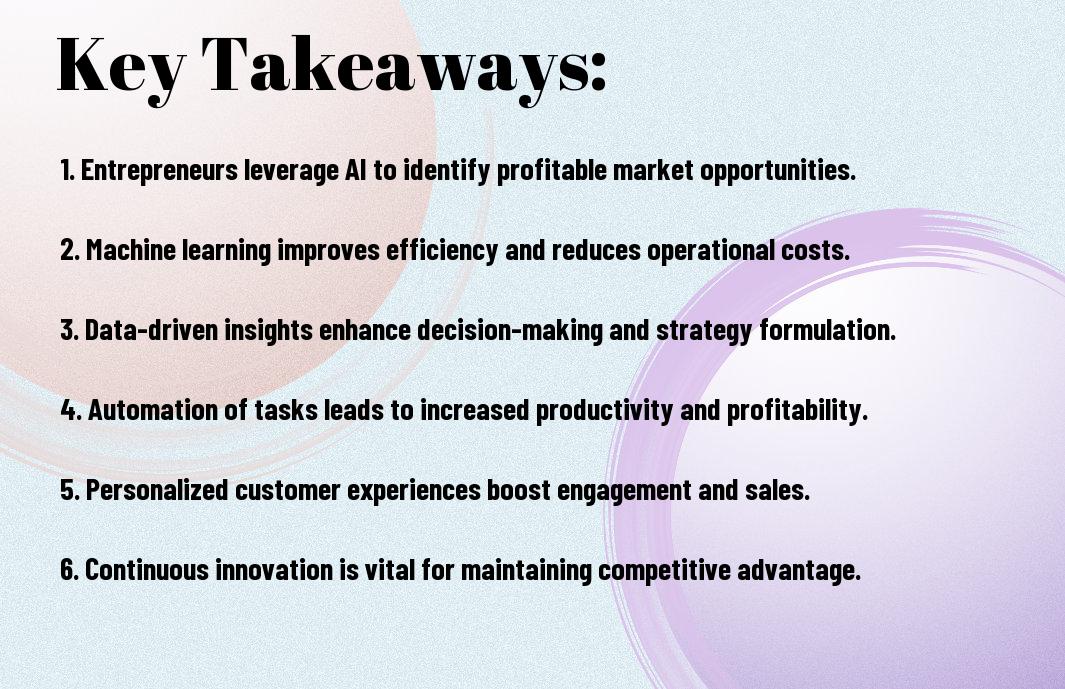
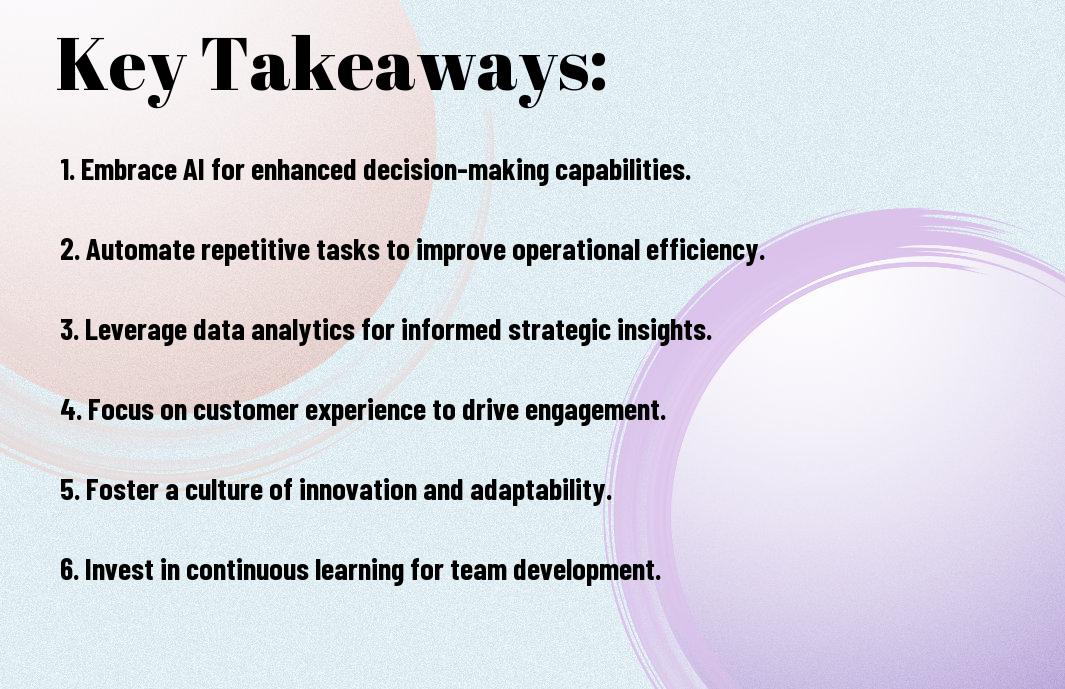
Key Takeaways:

  • Embracing AI technology can significantly enhance business operations, leading to increased efficiency and productivity, and ultimately driving growth and competitiveness in the market.
  • Successful AI integration requires a deep understanding of the technology and its potential applications, as well as a willingness to experiment and innovate in order to stay ahead of the curve.
  • AI can be used to automate routine tasks, freeing up human resources for more strategic and creative work, and enabling businesses to focus on high-value activities that drive innovation and revenue.
  • Effective AI adoption also depends on the ability to manage and analyze large amounts of data, and to use insights gained from this data to inform business decisions and drive strategy.
  • By leveraging AI, entrepreneurs can create new business models, products, and services that meet evolving customer needs and preferences, and establish a strong foundation for long-term success and sustainability.

The AI Revolution in Business

While embracing AI, you can revolutionize your business operations, enhancing efficiency and decision-making. AI-driven technologies help you streamline processes, analyze data, and gain valuable insights, ultimately driving growth and innovation in your organization.

The Tipping Point for AI Adoption

Besides the numerous benefits, you are likely considering the optimal time to integrate AI into your business. As AI technologies continue to advance, you will find more opportunities to leverage them, making now the perfect moment to start exploring their potential.

Small Changes, Big Results

Alongside other strategies, you can begin by implementing minor AI-powered adjustments to your daily operations. By doing so, you will be able to experience the positive impact of AI on your business without overwhelming your systems or staff.

This approach allows you to test and refine your AI integration, identifying areas where AI can have the most significant effect, and making data-driven decisions to drive further improvements, ultimately leading to significant benefits for your business, such as increased productivity, enhanced customer experience, and improved competitiveness in the market, all resulting from your thoughtful and incremental adoption of AI solutions.

Identifying AI Opportunities

Clearly, to transform your business with AI, you need to identify areas where AI can bring the most value. You must assess your operations, looking for tasks that are repetitive, time-consuming, or prone to human error, as these are prime candidates for AI integration.

Data as Your Business Compass

On the path to AI adoption, your data will serve as a guiding light, helping you understand where AI can be most effectively applied. You will use your data to pinpoint inefficiencies and opportunities for improvement, allowing you to make informed decisions about where to focus your AI efforts.

Automation Sweet Spots

For your business to reap the benefits of AI, you need to find the automation sweet spots – areas where automation can significantly enhance efficiency and productivity. You will look for tasks that are not only repetitive but also high-volume, as these will yield the greatest returns on your AI investment.

Understanding how to identify these automation sweet spots is key to successfully integrating AI into your business. You will need to analyze your workflows, looking for bottlenecks and areas where manual processing is holding you back, and then apply AI solutions to streamline these processes, freeing up your resources for more strategic and creative work, and ultimately driving your business forward with increased efficiency and innovation.

Implementation Strategies

To successfully integrate AI into your business, you need to develop a comprehensive plan, considering your goals, resources, and potential challenges. This involves assessing your current infrastructure, identifying areas where AI can add value, and creating a roadmap for implementation.

The Minimal Viable AI Approach

Vital to your AI strategy is starting small, testing, and iterating to ensure you’re on the right track. You’ll want to focus on a specific problem or process where AI can have the most impact, and then scale up as you gather more insights and confidence in the technology.

Building Your AI Team

Modest beginnings are often the best approach when assembling your AI team. You’ll need to bring together individuals with diverse skill sets, including data scientists, engineers, and domain experts, to ensure your AI solutions are effective and aligned with your business objectives.

Implementation of an AI team requires careful consideration of your organization’s structure and culture. As you build your team, you’ll need to provide ongoing training and support to help your staff develop the skills they need to work effectively with AI systems, and to ensure that your AI strategy is integrated into every aspect of your business, driving innovation and growth.

Customer Experience Transformation

Your business can greatly benefit from AI-driven customer experience transformation, enabling you to deliver personalized and efficient services to your clients, ultimately leading to increased customer satisfaction and loyalty.

Personalization at Scale

With advanced AI technologies, you can now offer tailored experiences to your customers, analyzing their behavior and preferences to provide them with relevant offers and services, thus enhancing their overall experience with your brand.

Predictive Service Models

After implementing AI-powered predictive models, you can anticipate and address customer needs proactively, reducing wait times and improving response rates, which can significantly boost your customer satisfaction ratings and retention.

At the heart of predictive service models lies the ability to analyze vast amounts of customer data, allowing you to identify patterns and trends that inform your decision-making, enabling you to provide your customers with timely and effective support, and ultimately driving business growth and success, as you continue to meet and exceed their evolving expectations.

Operational Excellence Through AI

Once again, you can leverage AI to streamline your business operations, enhancing efficiency and productivity. By implementing AI-powered tools, you can automate routine tasks, analyze data, and make informed decisions to drive growth.

Supply Chain Intelligence

Exemplary performance in supply chain management is achievable with AI. You can use AI-driven analytics to forecast demand, manage inventory, and optimize logistics, resulting in improved delivery times and reduced costs.

Resource Optimization

Along with AI, you can optimize your resources, allocating them more effectively to maximize output. You can use AI to identify areas of waste, predict maintenance needs, and improve overall resource utilization.

Indeed, optimizing your resources with AI can have a significant impact on your bottom line. You can expect to see reduced waste, improved productivity, and increased efficiency, allowing you to allocate resources to more strategic initiatives and drive business growth. By leveraging AI in this way, you can stay ahead of the competition and achieve your business goals.

Ethical Considerations

Despite the numerous benefits of AI, you must consider the ethical implications of its integration into your business, as you can learn more about How will AI shape the future of entrepreneurship? and make informed decisions.

Transparency in AI Systems

Transparently, you need to understand how AI systems work and make decisions, ensuring that your business operates fairly and without bias, as you implement AI solutions.

Privacy and Trust Building

Against the backdrop of increasing AI adoption, you should prioritize building trust with your customers by protecting their data and being transparent about your AI-driven processes.

Trust is imperative in establishing a strong relationship with your customers, and as you implement AI in your business, you must ensure that their privacy is respected and their data is secure, fostering a trustworthy environment for your business to thrive.

Final Words

With these considerations, you now have a solid foundation to transform your business with AI. You can leverage AI to drive innovation, enhance efficiency, and stay competitive. As you begin on this journey, your ability to adapt and evolve will be key to success. By applying the lessons in modern entrepreneurship, you will be well-equipped to harness the power of AI and take your business to the next level, achieving your goals and realizing your vision.

FAQ

Q: What are the key benefits of integrating Artificial Intelligence (AI) into my business operations?

A: Integrating AI into your business can significantly enhance efficiency, reduce operational costs, and improve decision-making processes. AI technologies such as machine learning and natural language processing can automate routine tasks, analyze large datasets to provide actionable insights, and personalize customer interactions. By leveraging these capabilities, businesses can innovate their products and services, stay competitive in the market, and achieve sustainable growth.

Q: How can entrepreneurs ensure that their AI-driven business strategies are aligned with ethical standards and social responsibility?

A: Ensuring that AI-driven business strategies are ethically sound involves several steps. Firstly, entrepreneurs should prioritize transparency in how AI is used, including clear communication about data collection and usage. Secondly, they must implement robust data protection measures to safeguard customer privacy. Additionally, businesses should adopt principles of fairness and accountability in AI decision-making processes to prevent bias and discrimination. Engaging in ongoing dialogue with stakeholders, including consumers, regulators, and ethical experts, can also provide valuable insights into maintaining ethical standards in AI integration.

Q: What skills and knowledge do entrepreneurs need to acquire to successfully transform their businesses with AI and thrive in modern entrepreneurship?

A: To successfully transform their businesses with AI, entrepreneurs need to develop a combination of technical, business, and soft skills. Technically, they should have a basic understanding of AI concepts, including machine learning, deep learning, and data analytics. From a business perspective, they need to be able to identify areas where AI can add value, develop strategies for AI adoption, and manage the change process within their organization. Soft skills such as leadership, creativity, and the ability to collaborate with AI experts are also necessary. Furthermore, staying updated with the latest AI trends, best practices, and regulatory environments through continuous learning is vital for making informed decisions and navigating the challenges of AI adoption.

The Future of Innovation – AI Trends Every Entrepreneur Should Watch

As you navigate the ever-changing landscape of business, you’re likely aware that artificial intelligence (AI) is revolutionizing industries. Your ability to adapt to these advancements will be key to staying ahead. You’ll need to understand the latest AI trends to drive your innovation forward. By exploring the current state of AI, you’ll be better equipped to make informed decisions about your business’s future, leveraging the power of AI to propel your success.

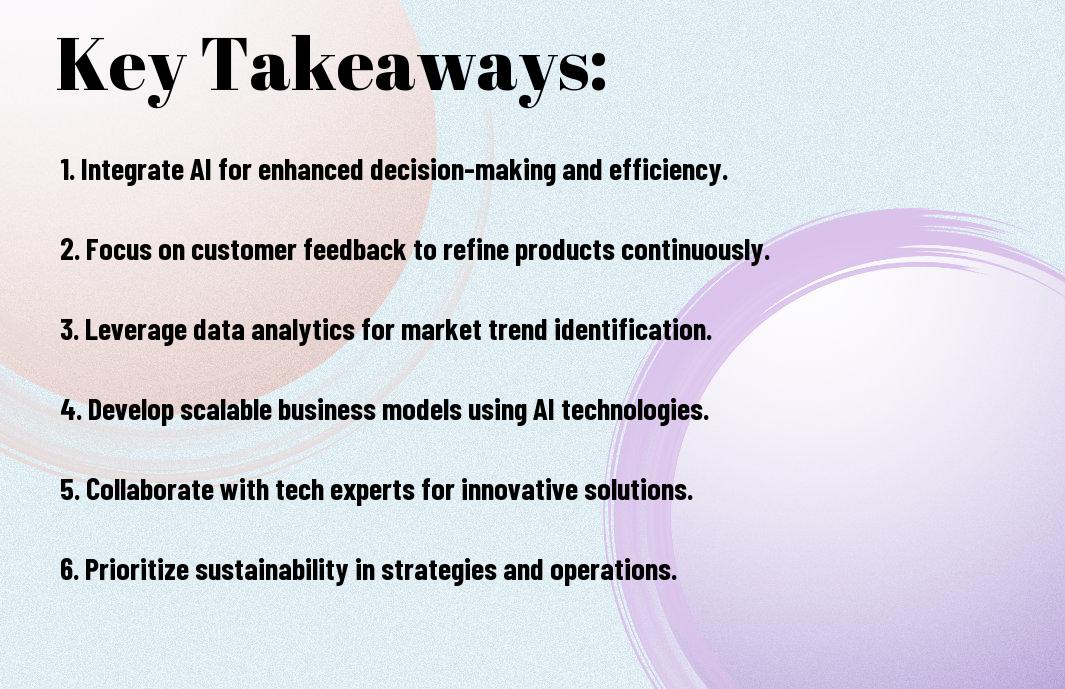
Key Takeaways:

  • Artificial intelligence (AI) is transforming the innovation landscape, and entrepreneurs should be aware of the latest trends to stay ahead of the curve, including the increasing use of machine learning and natural language processing.
  • AI-powered automation is expected to revolutionize industries such as healthcare, finance, and transportation, creating new opportunities for entrepreneurs to develop innovative solutions and business models.
  • The rise of explainable AI (XAI) is becoming more prominent, enabling entrepreneurs to build trust and transparency into their AI systems, which is imperative for widespread adoption and regulatory compliance.
  • Entrepreneurs should focus on developing AI solutions that augment human capabilities, rather than replacing them, to create more efficient and effective workflows, and to improve customer experiences.
  • The future of innovation will be shaped by the convergence of AI with other emerging technologies, such as blockchain, Internet of Things (IoT), and quantum computing, creating new possibilities for entrepreneurs to develop groundbreaking products and services.

The Evolution of Machine Learning

Your understanding of machine learning is likely rooted in its early applications, but the field has undergone significant transformations, paving the way for more advanced AI trends.

Supervised to Unsupervised Learning

Beneath the surface of traditional machine learning lies a shift from supervised to unsupervised learning, enabling your models to discover patterns and make decisions without labeled data.

Democratization of AI Tools

Against the backdrop of increasing complexity, AI tools are becoming more accessible, allowing you to develop and implement machine learning models without extensive expertise.

Indeed, the democratization of AI tools has opened up new opportunities for you to leverage machine learning in your business, from automating routine tasks to driving innovation and growth, and you can expect to see more user-friendly platforms and interfaces emerge in the future, making it easier for you to get started with AI.

Natural Language Processing Revolution

Any entrepreneur looking to stay ahead of the curve should be aware of the rapid advancements in natural language processing (NLP). You will see significant improvements in how machines understand and generate human-like language, enabling more efficient interactions between humans and computers.

Conversational AI for Business

Among the various applications of NLP, conversational AI is particularly relevant to your business, as it allows for more natural and intuitive interactions with customers, enhancing their overall experience and improving your customer service.

Content Creation and Analysis

About to revolutionize the way you approach content, NLP-powered tools will enable you to generate high-quality content, such as articles and social media posts, and analyze large amounts of data to gain valuable insights into your audience’s preferences and behaviors.

The ability to analyze and generate content using NLP will have a significant impact on your business, as you will be able to automate tasks such as content creation, sentiment analysis, and language translation, freeing up more time for you to focus on strategic decision-making and driving growth, and enabling you to make data-driven decisions to optimize your content strategy and improve your overall marketing efforts.

Computer Vision Breakthroughs

To stay ahead in the innovation curve, you need to keep an eye on computer vision breakthroughs, which are transforming industries and revolutionizing the way you interact with technology.

Visual Recognition in Industry

Across various sectors, you will find visual recognition being used to improve efficiency and accuracy, enabling you to make better decisions and drive your business forward.

Augmented Reality Applications

Along with advancements in computer vision, you can expect to see more augmented reality applications that will change the way you experience and interact with your surroundings.

Another significant aspect of augmented reality applications is their potential to enhance your customer experience, allowing you to provide immersive and engaging experiences that set your business apart from the competition, and as you explore these applications, you will discover new ways to leverage them to drive growth and innovation in your industry.

AI Ethics and Governance

Keep in mind that as you explore AI trends, you should also consider the ethical implications, and for more insights, you can check out What Every Entrepreneur Should Prepare for in 2025 to stay ahead.

Regulatory Landscapes

Along with the growth of AI, you will need to navigate the evolving regulatory landscapes that impact your business, ensuring your AI systems comply with new laws and standards.

Building Responsible AI Systems

Between the lines of code and data, you must consider the human impact, designing AI systems that prioritize transparency, fairness, and accountability, reflecting your values and mission.

Ethics play a significant role in building responsible AI systems, and as you develop your AI strategy, you should prioritize fairness, transparency, and accountability, considering the potential consequences of your AI systems on your customers, employees, and the broader community, and by doing so, you can ensure that your AI systems align with your values and mission, ultimately enhancing your reputation and building trust with your stakeholders.

AI-Human Collaboration Models

Many entrepreneurs are now exploring AI-human collaboration models to drive innovation in their businesses. You can leverage these models to enhance your decision-making processes and improve overall efficiency.

Augmented Decision Making

Alongside human intuition, AI can provide valuable insights, enabling you to make more informed decisions. You will be able to analyze complex data and identify patterns that may have gone unnoticed otherwise.

Workflow Automation Strategies

Any effective workflow automation strategy should prioritize tasks that are repetitive or time-consuming, allowing you to focus on higher-value tasks. You can use AI to streamline your workflows and increase productivity.

Due to the advancements in AI technology, you can now automate various aspects of your business, from data entry to customer service. You will be able to allocate your resources more efficiently and achieve your goals faster, making your business more competitive in the market.

Investment Trends in AI

Not surprisingly, investment in AI is on the rise, and you should be aware of the latest trends to stay ahead. You’ll notice a significant increase in funding for AI startups, and you can expect this trend to continue in the coming years.

Venture Capital Priorities

Following the surge in AI adoption, you’ll find that venture capital firms are prioritizing investments in AI-powered startups, and you should consider this when planning your own investments.

Corporate AI Integration Costs

Above the initial investment, you’ll need to consider the costs of integrating AI into your existing infrastructure, and you should factor this into your budget to avoid unexpected expenses.

With the cost of corporate AI integration in mind, you’ll want to carefully plan your implementation strategy to maximize your return on investment, and you should consider seeking guidance from AI experts to ensure a smooth transition and minimize costs, as you navigate the complex process of integrating AI into your business.

Final Words

Hence, as you begin on your entrepreneurial journey, you will witness the AI landscape evolving rapidly. You should stay informed about the latest AI trends to leverage their potential and drive your business forward. By doing so, you will be able to harness the power of AI and shape your company’s future, ultimately giving you a competitive edge in the market and enabling you to make informed decisions about your business’s innovation strategy.

FAQ

Q: What are the most significant AI trends that entrepreneurs should watch in the future of innovation?

A: The most significant AI trends that entrepreneurs should watch include the integration of Artificial General Intelligence (AGI), the rise of Explainable AI (XAI), and the increasing use of AI in cybersecurity. AGI has the potential to revolutionize industries by enabling machines to learn and apply knowledge across a wide range of tasks. XAI, on the other hand, focuses on making AI decision-making processes more transparent and understandable. Meanwhile, AI-powered cybersecurity solutions are becoming important for protecting businesses from sophisticated threats. By keeping an eye on these trends, entrepreneurs can stay ahead of the curve and leverage AI to drive innovation and growth.

Q: How can entrepreneurs apply AI trends to their businesses to drive innovation and stay competitive?

A: Entrepreneurs can apply AI trends to their businesses by identifying areas where AI can automate processes, enhance customer experiences, and improve decision-making. For instance, they can use machine learning algorithms to analyze customer data and develop personalized marketing strategies. They can also leverage natural language processing (NLP) to build chatbots and virtual assistants that provide 24/7 customer support. Additionally, entrepreneurs can use AI-powered predictive analytics to forecast market trends and make data-driven decisions. By embracing AI, entrepreneurs can streamline operations, reduce costs, and create new revenue streams, ultimately driving innovation and staying competitive in their respective markets.

Q: What are the potential challenges and limitations that entrepreneurs may face when adopting AI trends in their businesses?

A: Entrepreneurs may face several challenges and limitations when adopting AI trends, including the need for significant investments in infrastructure and talent, the risk of job displacement, and the potential for AI bias and errors. Moreover, ensuring the transparency and accountability of AI decision-making processes can be a challenge. To overcome these challenges, entrepreneurs should prioritize AI education and training, develop strategies for upskilling and reskilling their workforce, and implement robust testing and validation protocols to ensure AI systems are fair, reliable, and secure. By being aware of these challenges and taking proactive steps to address them, entrepreneurs can successfully navigate the adoption of AI trends and unlock their full potential for driving innovation and growth.

Profit-Driven AI – How Entrepreneurs are Monetizing Machine Learning

As you explore the potential of artificial intelligence, you’re likely wondering how to turn machine learning into a profitable venture. Your business can benefit from the latest advancements in AI, and many entrepreneurs are already leveraging this technology to drive revenue. You can learn from their strategies and discover new ways to monetize machine learning, optimizing your operations and increasing your bottom line. By understanding how to apply AI effectively, you can stay ahead of the competition and achieve your business goals.

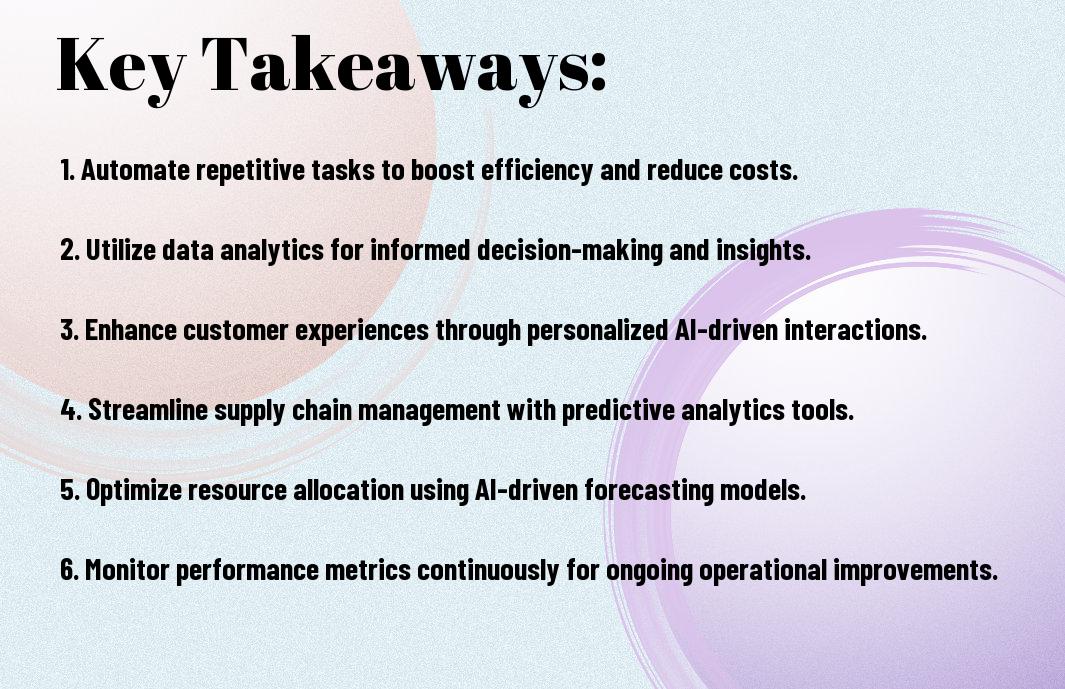
Key Takeaways:

  • Entrepreneurs are leveraging machine learning to develop innovative products and services that drive revenue and increase profitability, with many achieving significant returns on investment.
  • Profit-driven AI applications are being used to optimize business operations, such as predictive maintenance, supply chain management, and customer service, leading to cost savings and improved efficiency.
  • Monetization strategies for AI include offering subscription-based services, licensing AI-powered tools, and generating revenue through advertising and data analytics, providing entrepreneurs with diverse revenue streams.
  • The development of AI-powered chatbots and virtual assistants is enabling businesses to automate customer interactions, improve user experience, and reduce support costs, resulting in increased customer satisfaction and loyalty.
  • As the demand for AI solutions continues to grow, entrepreneurs who invest in machine learning and develop profitable AI-driven business models are well-positioned to gain a competitive advantage and achieve long-term success.

    The Machine Learning Gold Rush

    For entrepreneurs, the machine learning gold rush presents a lucrative opportunity to capitalize on emerging technologies and reap significant profits. You can leverage machine learning to develop innovative products and services, driving business growth and staying ahead of the competition.

    Market Trends and Opportunities

    Among the key drivers of the machine learning gold rush are advancements in data storage and processing power, enabling you to analyze vast amounts of data and make informed decisions. You can identify emerging trends and capitalize on new opportunities, giving your business a competitive edge.

    Entry Barriers and Capital Requirements

    Markedly, the entry barriers to the machine learning market are relatively low, allowing you to start small and scale your business as you grow. You can begin by investing in cloud-based services and gradually move to more advanced infrastructure, managing your capital requirements effectively.

    Gold standard machine learning models require significant investment in data, talent, and infrastructure, but you can start by developing simpler models and gradually scaling up. You can also partner with other businesses or invest in existing models, reducing your upfront costs and minimizing risk, as you navigate the machine learning landscape and identify opportunities to drive your business forward.

    Revenue Models for AI Ventures

    Assuming you’re looking to monetize your AI venture, you’ll need to explore various revenue models. You can leverage machine learning to create innovative products and services, generating revenue through multiple channels.

    Subscription-Based Services

    Before stepping into complex models, consider subscription-based services, where you offer access to AI-powered tools and platforms for a recurring fee, providing you with a steady revenue stream.

    Data Monetization Strategies

    Between collecting and analyzing data, you can uncover valuable insights, which can be sold to third parties or used to inform your own business decisions, creating new revenue opportunities for your AI venture.

    Further, as you probe into data monetization strategies, you’ll find that you can package and sell data analytics, provide data-as-a-service, or even create data-driven products, allowing you to capitalize on the data your AI systems collect and process, and helping you to maximize your revenue potential.

    Building AI Products That Sell

    Keep in mind that creating a successful AI product requires a deep understanding of your target market and their needs. You need to develop a product that solves a real problem and provides value to your customers.

    Problem-First Approach

    That being said, you should focus on identifying the problems your customers face and develop a product that addresses those issues. You will be more likely to create a product that sells if you prioritize the needs of your customers.

    Scaling Considerations

    Between the development and deployment of your AI product, you will need to consider how to scale your solution to meet the demands of a growing customer base. You should think about how your product will handle increased traffic and usage.

    At this stage, you will need to evaluate your infrastructure and ensure it can support the growth of your product. You should consider factors such as data storage, processing power, and network bandwidth to ensure your product can handle the increased demand, and you can continue to provide a high-quality experience for your customers.

    Industry-Specific Applications

    Not all industries are created equal when it comes to AI adoption, and you’ll find that some sectors are more ripe for disruption than others. As you explore the various applications of machine learning, consider the unique challenges and opportunities within each industry.

    Financial Services

    For instance, you can leverage AI to detect fraud, predict market trends, and personalize customer experiences in the financial sector, leading to increased efficiency and profitability.

    Healthcare Innovations

    Among the most exciting applications of AI is in healthcare, where you can apply machine learning to analyze medical images, develop personalized treatment plans, and improve patient outcomes.

    The potential for AI in healthcare is vast, and as you examine deeper, you’ll discover that machine learning can help you identify high-risk patients, optimize clinical workflows, and streamline administrative tasks, ultimately leading to better care and reduced costs, allowing you to make more informed decisions about your business and investments in the healthcare industry.

    The Technical Foundation

    Your understanding of the technical aspects of AI is vital to monetizing machine learning, and it starts with a solid foundation in data science and programming languages such as Python and R.

    Essential Infrastructure

    Any entrepreneur looking to leverage AI must have a robust infrastructure in place, including high-performance computing and storage solutions to handle large datasets and complex algorithms.

    Build vs. Buy Decisions

    Against the backdrop of rapidly evolving AI technologies, you must decide whether to build your own AI solutions or purchase existing ones, considering factors such as cost, customization, and scalability.

    Even as you weigh the pros and cons of building versus buying, you should consider your specific business needs and the level of expertise you have in-house, as well as the potential for integration with existing systems and the total cost of ownership over time, to make an informed decision that drives your business forward.

    Navigating Ethical Concerns

    Many entrepreneurs are leveraging AI to drive profits, but you must consider the ethical implications of your actions. As you develop and implement AI solutions, you need to think about the potential consequences on your customers, business, and society as a whole.

    Privacy Implications

    Ethically, you should prioritize the protection of sensitive information when using machine learning algorithms to process and analyze data. You must ensure that your AI systems are designed with privacy in mind, safeguarding your customers’ personal data and maintaining their trust.

    Transparency Requirements

    Transparently, you should be able to explain how your AI systems make decisions and provide insights into their inner workings. You need to be open about the data used to train your models and the potential biases that may exist, allowing your customers to understand how your AI-driven solutions operate.

    Indeed, as you research deeper into transparency requirements, you will find that it is important to provide your customers with clear and concise information about your AI-powered products and services. You should be prepared to disclose the limitations and potential risks associated with your AI systems, enabling your customers to make informed decisions about their interactions with your business.

    Final Words

    Summing up, you now have a deeper understanding of how entrepreneurs are leveraging profit-driven AI to monetize machine learning. You can apply these insights to your own business, capitalizing on the vast potential of AI to drive growth and revenue. By embracing this technology, you will be well-positioned to stay ahead of the curve and maximize your returns in an increasingly competitive market, transforming your business with the power of AI-driven innovation.

    FAQ

    Q: What is Profit-Driven AI and how are entrepreneurs leveraging it to monetize their businesses?

    A: Profit-Driven AI refers to the use of artificial intelligence and machine learning technologies to drive revenue growth and increase profitability in various industries. Entrepreneurs are leveraging Profit-Driven AI by integrating machine learning algorithms into their business models, such as predictive analytics, natural language processing, and computer vision, to automate decision-making, improve operational efficiency, and enhance customer experiences. By doing so, entrepreneurs can unlock new revenue streams, reduce costs, and gain a competitive edge in the market.

    Q: What are some common applications of Profit-Driven AI in different industries, and how are they generating revenue?

    A: Profit-Driven AI has numerous applications across various industries, including healthcare, finance, e-commerce, and marketing. For instance, in healthcare, AI-powered chatbots are being used to provide personalized patient support and streamline clinical workflows, resulting in cost savings and improved patient outcomes. In finance, machine learning algorithms are being used to detect fraudulent transactions and predict stock market trends, generating revenue through improved risk management and investment decisions. In e-commerce, AI-powered recommendation engines are being used to personalize product suggestions, increasing average order value and customer loyalty. These applications are generating revenue by improving operational efficiency, enhancing customer experiences, and unlocking new business opportunities.

    Q: What skills and resources do entrepreneurs need to develop and implement Profit-Driven AI solutions, and how can they measure the ROI of their AI investments?

    A: To develop and implement Profit-Driven AI solutions, entrepreneurs need to have a combination of technical and business skills, including data science, machine learning, and programming expertise, as well as industry knowledge and business acumen. They also need to have access to high-quality data, computing resources, and AI software tools. To measure the ROI of their AI investments, entrepreneurs can track key performance indicators (KPIs) such as revenue growth, cost savings, customer acquisition, and retention rates. They can also use data analytics and visualization tools to monitor the performance of their AI models and make data-driven decisions to optimize their AI strategies. By doing so, entrepreneurs can ensure that their AI investments are generating tangible business value and driving long-term growth and profitability.

From Concept to Cash – AI Strategies for Building a Sustainable Business

As you begin on building a sustainable business, you’ll need to leverage innovative technologies to drive growth. You’re likely aware that artificial intelligence (AI) can be a game-changer, but may be unsure how to harness its power. Your business can benefit from AI-driven strategies that streamline operations, enhance customer experiences, and boost revenue. By exploring the right AI approaches, you can turn your concept into a profitable reality, setting your business up for long-term success.

Key Takeaways:

  • Developing a solid business strategy that incorporates AI can significantly enhance a company’s ability to innovate and stay competitive in the market, leading to sustainable growth and increased revenue.
  • Implementing AI solutions requires a thorough understanding of the technology and its potential applications within the business, as well as a clear plan for integration and deployment.
  • A successful AI strategy involves identifying areas where automation and machine learning can improve efficiency, reduce costs, and drive innovation, and prioritizing these areas for development and investment.
  • Building a sustainable business with AI also involves considering the ethical implications of AI adoption, including issues related to data privacy, bias, and job displacement, and developing strategies to mitigate these risks.
  • Continuous monitoring and evaluation of AI initiatives is vital to ensure they are meeting business objectives and driving long-term value, and to make adjustments as needed to optimize performance and stay ahead of the competition.

    The AI Business Landscape

    The current state of the AI business landscape is evolving rapidly, and you need to stay informed to make the most of it. You will encounter various trends, technologies, and innovations that can help you build a sustainable business. Your understanding of this landscape will enable you to make informed decisions and create effective AI strategies.

    Current Market Opportunities

    Options abound in the AI market, and you can capitalize on them to drive your business forward. You can explore various sectors, such as healthcare, finance, and education, where AI is being increasingly adopted. Your ability to identify and leverage these opportunities will help you stay ahead of the competition.

    Competitive Analysis

    Assessing the competitive landscape is imperative for your business, and you should conduct a thorough analysis to understand your position in the market. You can analyze your competitors’ strengths, weaknesses, and AI strategies to inform your own decisions and create a unique value proposition.

    Further examination of your competitors’ AI adoption and strategies will help you identify gaps in the market and potential areas for innovation. You can use this information to develop a tailored approach that sets your business apart and drives long-term success. Your competitive analysis will be an ongoing process, and you should continuously monitor the market to stay informed and adapt to changes.

    Identifying Viable AI Concepts

    Assuming you have a solid understanding of AI and its applications, the next step is to identify viable concepts that can be developed into a sustainable business. You will need to evaluate various ideas and determine which ones have the potential to generate revenue and drive growth.

    Problem-Solution Fit

    Any successful AI concept starts with a clear understanding of the problem you are trying to solve. You need to identify a genuine need in the market and develop a solution that addresses it effectively, providing value to your customers and setting your business up for success.

    Market Validation Techniques

    Above all, you need to validate your concept with potential customers to ensure there is a demand for your solution. You can use various techniques to gather feedback and refine your idea, ultimately increasing your chances of launching a successful product.

    Techniques such as surveys, customer interviews, and prototyping can help you validate your concept and make informed decisions about your business. You can use these techniques to test your assumptions, gather feedback, and refine your idea, ensuring that your AI solution meets the needs of your target market and has a strong potential for growth and revenue generation.

    Revenue Model Design

    Keep your revenue model design aligned with your business goals and target audience. You need to consider various factors, including pricing, packaging, and revenue streams, to create a sustainable business model.

    Subscription vs. Transaction Models

    Beneath the surface of revenue models, you’ll find two primary options: subscription and transaction models. You can choose one or a combination of both, depending on your product or service and your customers’ preferences.

    Value-Based Pricing Strategies

    Between the lines of pricing strategies, value-based pricing stands out as an effective approach. You can set prices based on the value your product or service delivers to customers, rather than just costs or competition.

    This approach allows you to capture a share of the value you create for your customers, increasing your revenue potential. You can use techniques like tiered pricing, discounts, or premium services to implement value-based pricing, and continually assess and adjust your strategy as your business grows and customer needs evolve, ensuring your pricing remains competitive and aligned with the value you deliver.

    Technical Architecture Decisions

    Many technical architecture decisions will impact your business’s ability to scale and adapt to changing market conditions, so it’s crucial to consider your options carefully as you build your AI strategy.

    Build vs. Buy Considerations

    Building your own AI solutions can provide a high degree of customization, but buying existing solutions can save you time and resources, allowing you to focus on your core business.

    Scalability Planning

    Besides the initial development costs, you should also consider the long-term scalability of your AI systems, ensuring they can handle increased traffic and data volume as your business grows.

    Decisions about scalability planning will have a significant impact on your business’s future, and you should consider factors such as cloud infrastructure, data storage, and processing power to ensure your AI systems can handle increased demand, allowing you to focus on expanding your business and increasing revenue.

    Go-to-Market Strategy

    Unlike traditional approaches, an effective go-to-market strategy leveraging AI involves careful planning and execution to reach your target audience and drive business growth.

    Customer Acquisition Channels

    One of the key considerations is identifying the most effective customer acquisition channels for your business, and you will need to analyze data to determine which channels will yield the best results for your AI-driven products or services.

    Messaging and Positioning

    To develop a compelling narrative, you must craft a unique value proposition that resonates with your target market and differentiates your AI-powered offerings from the competition, allowing you to establish a strong market presence.

    Even as you refine your messaging and positioning, you will need to continuously test and refine your approach to ensure that it is resonating with your target audience and driving the desired outcomes for your business, and you can use AI tools to analyze customer feedback and make data-driven decisions to optimize your strategy.

    Operational Sustainability

    For your business to achieve long-term success, you need to focus on operational sustainability, which involves implementing strategies that reduce waste, optimize processes, and improve efficiency. This will help you build a strong foundation for your business and ensure its continued growth.

    Cost Management

    Above all, you should prioritize cost management to maintain a healthy financial balance, allowing you to allocate resources effectively and make informed decisions about investments and expenses, which will help you navigate your business towards profitability.

    Resource Allocation

    For your business to thrive, you need to allocate resources wisely, assigning them to areas that drive growth and innovation, and minimizing waste in non-vital areas, enabling you to maximize your return on investment and achieve your business objectives.

    Further, as you allocate resources, you should consider your business goals and priorities, ensuring that your resources are aligned with your strategy, and continuously monitor and adjust your allocation to respond to changing market conditions and customer needs, allowing you to stay competitive and achieve sustainable success.

    Conclusion

    Conclusively, you now have the tools to transform your concept into a thriving business using AI strategies. You can leverage AI to streamline operations, enhance customer experiences, and drive growth. By implementing these strategies, you will be well on your way to building a sustainable business that generates consistent cash flow and stays ahead of the competition, ultimately securing your success in the market and maximizing your returns on investment, allowing you to achieve your business goals.

    FAQ

    Q: What is the main focus of the “From Concept to Cash” approach in building a sustainable business using AI strategies?

    A: The main focus of the “From Concept to Cash” approach is to provide a comprehensive framework for entrepreneurs and business leaders to develop and implement Artificial Intelligence (AI) strategies that drive innovation, efficiency, and profitability. This approach emphasizes the importance of aligning AI initiatives with business goals, identifying opportunities for automation and optimization, and creating a culture of continuous learning and improvement. By following this approach, businesses can unlock the full potential of AI and achieve sustainable growth and success.

    Q: How can AI strategies help businesses move from concept to cash, and what are the key benefits of this approach?

    A: AI strategies can help businesses move from concept to cash by enabling them to develop and launch new products and services more quickly, improve operational efficiency, and enhance customer experiences. The key benefits of this approach include increased revenue, reduced costs, and improved competitiveness. Additionally, AI-powered analytics and insights can help businesses make data-driven decisions, identify new market opportunities, and stay ahead of the competition. By leveraging AI, businesses can accelerate their journey from concept to cash and achieve sustainable success.

    Q: What skills and resources are required to implement AI strategies and achieve success with the “From Concept to Cash” approach?

    A: To implement AI strategies and achieve success with the “From Concept to Cash” approach, businesses need to have a combination of technical, business, and leadership skills. This includes expertise in AI and machine learning, data science, and software development, as well as business acumen, market knowledge, and strategic thinking. Additionally, businesses need to have access to relevant data, computing resources, and AI tools and platforms. They also need to foster a culture of innovation, experimentation, and continuous learning, and be willing to invest in employee training and development to build the skills required to succeed with AI. With the right skills, resources, and mindset, businesses can unlock the full potential of AI and achieve sustainable success with the “From Concept to Cash” approach.

Skip to content