AI

The AI Blueprint – Crafting a Profitable Business Model from Scratch

You’re about to begin on a journey to create a successful business from the ground up, leveraging the power of AI. Your goal is to develop a profitable business model that drives growth and revenue. With the right guidance, you can navigate the process of designing and implementing an effective AI-driven business strategy, tailored to your unique needs and goals, and set your business up for long-term success.

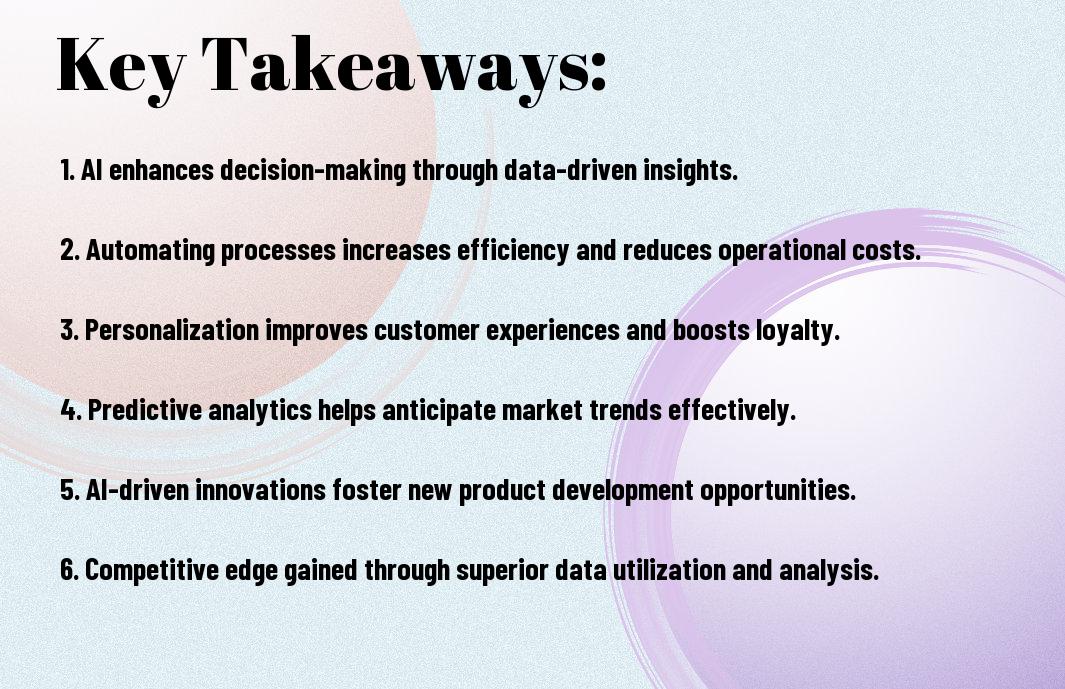
Key Takeaways:

  • Developing a successful AI business model requires a deep understanding of the market, including identifying potential customers, understanding their needs, and recognizing the competitive landscape to create a unique value proposition.
  • A well-defined business strategy is vital for the effective integration of AI into a company, ensuring alignment with overall business goals and maximizing the potential of AI technologies.
  • Building a profitable AI business model from scratch involves designing and implementing a robust revenue stream, managing costs, and continuously monitoring and adapting the model to changing market conditions and technological advancements.
  • Effective data management is a key component of a successful AI business, as high-quality data is necessary for training and improving AI algorithms, and for making informed business decisions.
  • Staying up-to-date with the latest advancements in AI and being open to innovation and experimentation are vital for maintaining a competitive edge and driving long-term growth in an AI-driven business.
The AI Landscape

The AI landscape is constantly evolving, and you need to stay up-to-date with the latest trends and technologies to craft a profitable business model. You will encounter various AI applications and innovations that can transform your business. Your understanding of the AI landscape will help you make informed decisions and create a successful business strategy.

Current Market Realities

Beneath the surface of the AI landscape, you’ll find a complex web of market realities that affect your business. You must consider these factors to develop a viable business model, and your ability to navigate them will determine your success.

Identifying Profitable Niches

With the vast array of AI applications available, you can identify profitable niches that align with your business goals. You should focus on areas where AI can add significant value, and your expertise can help you stand out from the competition.

In addition to identifying profitable niches, you need to analyze your target market and understand the specific needs of your customers. You can then develop AI-powered solutions that cater to these needs, setting your business up for success and helping you establish a strong presence in the market, which will ultimately drive your revenue and growth.

Core Business Models

Any successful AI-powered business starts with a solid foundation, and that begins with your core business model. You’ll need to consider how you’ll generate revenue, deliver value to your customers, and differentiate yourself from competitors. Your business model will serve as the backbone of your organization, guiding your decisions and shaping your strategy.

SaaS and Subscription Approaches

Above all, SaaS and subscription models offer a predictable revenue stream, allowing you to forecast and plan for the future. You can leverage these approaches to provide ongoing value to your customers, while also generating recurring revenue for your business. This can be an attractive option for AI-powered businesses, as it enables you to deliver continuous updates and improvements to your customers.

Custom Solutions and Consulting

By offering custom solutions and consulting services, you can tailor your AI offerings to meet the unique needs of your clients. You’ll work closely with them to understand their challenges and develop tailored solutions that address their specific pain points. This approach allows you to deliver high-value services and build strong relationships with your clients.

In fact, custom solutions and consulting can be a highly lucrative approach for AI-powered businesses, as you can command premium prices for your expertise and tailored services. You’ll have the opportunity to work with a range of clients, from small startups to large enterprises, and help them leverage AI to drive innovation and growth. As you deliver successful projects and build your reputation, you can attract new clients and expand your business, creating a strong foundation for long-term success.

Revenue Streams

To establish a profitable business model, you need to identify and develop multiple revenue streams. This involves creating a diverse range of income sources that can help your business grow and thrive.

Primary Income Sources

Sources of revenue are the foundation of your business, and you should focus on developing a strong primary income stream. You can achieve this by identifying your target market and creating products or services that meet their needs, allowing you to generate consistent revenue.

Diversification Strategies

With a solid primary income stream in place, you can explore diversification strategies to expand your revenue streams. You can consider offering complementary products or services, or targeting new markets to increase your revenue potential.

Streams of revenue can be developed through various channels, such as subscription-based models, advertising, or affiliate marketing. As you diversify your revenue streams, you can reduce your dependence on a single source of income, making your business more resilient and better equipped to handle market fluctuations, allowing you to achieve long-term success and increase your overall revenue.

Cost Structure Analysis

Unlike traditional businesses, your AI-powered venture requires a unique cost structure analysis. You need to consider the expenses associated with developing and maintaining your AI systems, as well as the operational costs of running your business.

Development Investments

About the initial investments, you should consider the costs of developing your AI technology, including talent acquisition, research, and development expenses. You will need to allocate funds for these investments to ensure your AI system is robust and efficient.

Operational Expenses

Around the operational aspects, you will incur expenses such as infrastructure, maintenance, and update costs. You should factor these expenses into your cost structure analysis to ensure your business remains profitable.

In addition to these expenses, you should also consider the costs of data storage, security, and compliance. You will need to ensure that your AI system is secure and compliant with relevant regulations, which may require additional investments in infrastructure and talent. As you develop your cost structure analysis, you should carefully consider these operational expenses to ensure your business remains competitive and profitable.

Customer Acquisition

Despite the complexity of AI technology, your customer acquisition strategy should be straightforward and focused on delivering value to your target audience. You need to understand your ideal customer’s needs and pain points to create an effective acquisition plan.

Marketing in the AI Space

Any successful marketing strategy in the AI space begins with a deep understanding of your target audience and the problems they are trying to solve. You will need to tailor your marketing efforts to speak directly to these needs, highlighting the benefits and value that your AI solution provides.

Sales Funnels That Convert

By designing a sales funnel that addresses the specific needs and concerns of your target audience, you can increase conversions and drive revenue growth. You should focus on creating a seamless and intuitive experience that guides potential customers through the sales process.

With a well-designed sales funnel in place, you can optimize your conversion rates and maximize the return on investment for your marketing efforts. You will be able to track the performance of your sales funnel, identify areas for improvement, and make data-driven decisions to refine your approach and achieve even better results.

Scaling Strategies

Your business model is now ready to be taken to the next level, and scaling is the key to unlocking its full potential, enabling you to reach new heights and expand your customer base.

From Prototype to Product

Against all odds, you have successfully developed a prototype, and now it’s time to refine it into a fully-fledged product that meets the needs of your target market, setting you up for success.

Growth Metrics That Matter

Strategically, you need to focus on the right growth metrics to measure your progress, including revenue, customer acquisition, and retention rates, which will help you make informed decisions about your business.

At this stage, you are likely to be closely monitoring your growth metrics, and you should be using this data to identify areas for improvement, optimize your operations, and make strategic decisions about investments and resource allocation, allowing you to drive your business forward and achieve your goals.

Conclusion

Summing up, you now have a comprehensive understanding of the AI blueprint, enabling you to craft a profitable business model from scratch. You can leverage this knowledge to create a tailored strategy, driving your business forward. By applying the principles outlined, you will be well-equipped to navigate the AI landscape, making informed decisions to propel your venture towards success, and ultimately, maximizing your returns on investment in the AI-powered market, shaping your business into a thriving entity.

FAQ

Q: What is The AI Blueprint and how can it help me in creating a profitable business model from scratch?

A: The AI Blueprint is a comprehensive guide that provides a step-by-step approach to crafting a profitable business model from scratch, leveraging the power of Artificial Intelligence (AI). It helps entrepreneurs and business owners to identify opportunities, develop a unique value proposition, and create a scalable business model that drives revenue and growth. By following The AI Blueprint, you can validate your business idea, develop a go-to-market strategy, and build a sustainable competitive advantage in your industry.

Q: What are the key components of The AI Blueprint and how do they contribute to the development of a profitable business model?

A: The AI Blueprint consists of several key components, including market analysis, customer segmentation, product development, marketing and sales strategy, and financial planning. These components work together to help you develop a deep understanding of your target market, create a unique and compelling product or service, and design a business model that is tailored to your specific needs and goals. By following The AI Blueprint, you can create a comprehensive business plan that takes into account the latest trends and technologies in AI, and sets you up for success in today’s fast-paced and competitive business landscape.

Q: How can The AI Blueprint help me to stay ahead of the competition and adapt to changing market conditions in my industry?

A: The AI Blueprint provides a flexible and adaptable framework for building a profitable business model, allowing you to stay ahead of the competition and respond to changing market conditions. By leveraging the power of AI and machine learning, you can analyze market trends, identify new opportunities, and make data-driven decisions that drive business growth. The AI Blueprint also provides guidance on how to continuously monitor and evaluate your business model, making adjustments as needed to stay competitive and achieve long-term success. With The AI Blueprint, you can build a business that is resilient, agile, and poised for success in an ever-changing business environment.

Accelerating Startup Growth with AI-Enhanced Market Insights

As you navigate the competitive startup landscape, you need to make informed decisions to drive your business forward. Your ability to analyze market trends and identify opportunities is key to success. With the advent of AI-enhanced market insights, you can now gain a deeper understanding of your target audience and stay ahead of the competition. By leveraging these insights, you can optimize your strategy and accelerate your startup’s growth, ultimately achieving your business goals more efficiently.

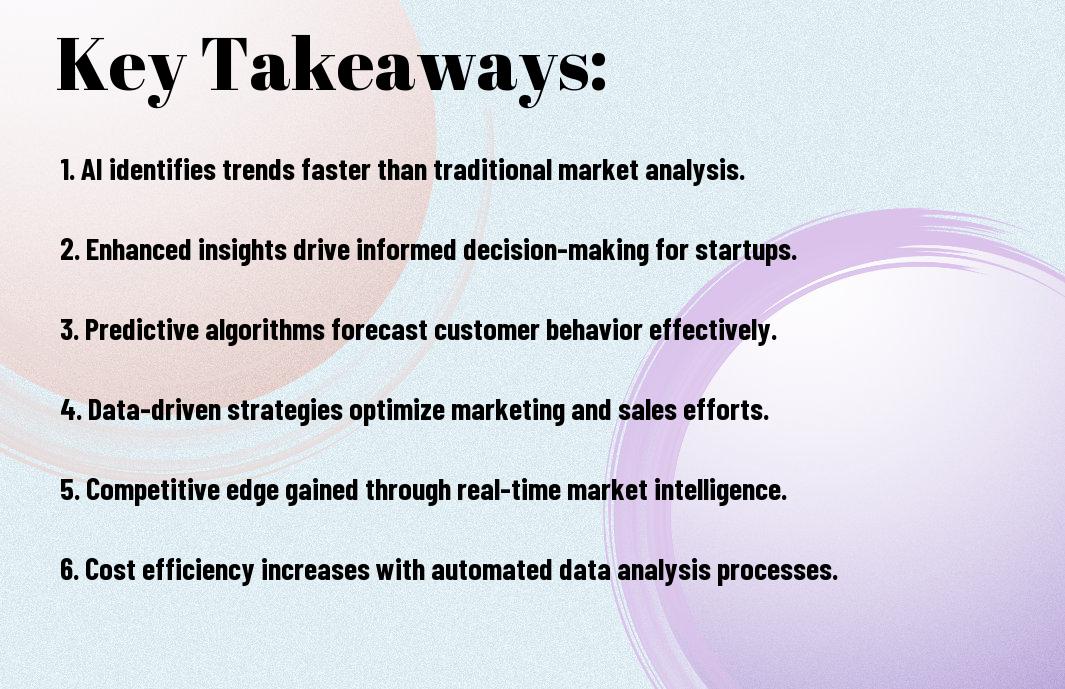
Key Takeaways:

  • Utilizing AI-enhanced market insights can significantly accelerate startup growth by providing data-driven decision-making capabilities, enabling businesses to respond quickly to market trends and stay ahead of the competition.
  • AI-powered market analysis can help startups identify new business opportunities, predict customer behavior, and optimize their marketing strategies to maximize ROI and improve customer engagement.
  • AI-driven market research can provide startups with real-time insights into their target audience, allowing them to develop more effective product development and marketing strategies that meet the evolving needs of their customers.
  • By leveraging AI-enhanced market insights, startups can reduce the risk of launching new products or services, as they can test and validate their ideas with data-driven confidence, minimizing potential losses and maximizing potential gains.
  • Integrating AI into market research and analysis can also help startups streamline their operations, automate routine tasks, and free up resources for more strategic and creative endeavors, ultimately driving innovation and growth.

    The Current Landscape of Market Intelligence

    A midst the rapid evolution of technology, you are likely aware that market intelligence plays a vital role in driving business growth, and you need to stay informed to make data-driven decisions.

    Traditional Methods and Their Limitations

    Beneath the surface of traditional market research methods, you will find limitations in terms of data analysis and insight generation, which can hinder your ability to respond quickly to changing market conditions.

    The Emergence of AI-Driven Analytics

    Across the market intelligence landscape, you are seeing a shift towards AI-driven analytics, which enables you to process vast amounts of data and uncover hidden patterns, giving you a competitive edge.

    This emergence of AI-driven analytics is transforming the way you approach market intelligence, as you can now leverage machine learning algorithms to analyze large datasets, identify trends, and predict future market developments, allowing you to make more informed decisions and drive your business forward with confidence.

    Core AI Technologies Transforming Market Research

    The integration of AI in market research has revolutionized the way you gather and analyze data, enabling your business to make informed decisions. You can now leverage AI-enhanced market insights to accelerate your startup’s growth.

    Machine Learning Algorithms for Pattern Recognition

    Beneath the surface of traditional market research lies a wealth of untapped data, and you can uncover it using machine learning algorithms that identify patterns and trends, helping your business stay ahead of the competition.

    Natural Language Processing for Sentiment Analysis

    Alongside machine learning, you have natural language processing, which enables your business to analyze customer sentiments and opinions, allowing you to tailor your products and services to meet their needs.

    Research indicates that natural language processing for sentiment analysis is a powerful tool, as you can use it to monitor social media, customer reviews, and feedback, providing valuable insights into your target audience’s preferences and pain points, helping you refine your marketing strategy and improve customer satisfaction, ultimately driving your startup’s growth and success.

    Implementation Strategies for Startups

    Now that you have decided to leverage AI-enhanced market insights, it’s time to develop a strategy for implementation, considering your startup’s unique needs and goals, to drive growth and stay competitive.

    Cost-Effective AI Solutions for Early-Stage Companies

    Alongside other considerations, an affordable and scalable AI solution is crucial for your early-stage company, allowing you to access valuable market insights without breaking the bank, and enabling you to make data-driven decisions that drive your business forward.

    Integration with Existing Business Processes

    Above all, seamless integration with your existing business processes is vital, ensuring that your AI-enhanced market insights are actionable and aligned with your overall business strategy, allowing you to maximize the benefits of AI and drive meaningful growth.

    Companies like yours can integrate AI-enhanced market insights into their existing business processes by identifying areas where data-driven decision making can have the greatest impact, and then implementing AI solutions that provide actionable insights, enabling you to refine your strategy and drive growth, as you continue to scale and evolve your business.

    Competitive Advantages Through Predictive Insights

    After gaining access to predictive insights, you can make informed decisions to drive your startup’s growth, staying ahead of the competition with data-driven strategies.

    Anticipating Market Shifts Before Competitors

    About the time your competitors are reacting to market changes, you can be proactively adjusting your approach, leveraging AI-enhanced market insights to anticipate shifts and capitalize on emerging trends.

    Dynamic Pricing and Product Positioning

    On the path to optimizing your startup’s market performance, you will find that AI-driven insights enable you to adjust pricing and positioning in real-time, ensuring your products or services meet the evolving needs of your target audience.

    Pricing strategies can be tailored to specific customer segments, maximizing your revenue potential, and with AI-enhanced insights, you can continuously monitor and refine your approach, ensuring your startup remains competitive and agile in a rapidly changing market landscape, allowing you to make the most of your resources and drive growth.

    Data Collection and Management

    Many startups struggle with collecting and managing large amounts of data, but you can overcome this challenge by implementing effective data collection and management strategies, allowing you to make informed decisions and drive growth.

    Ethical Considerations and Privacy Compliance

    Around the issue of data collection, you must consider ethical implications and ensure your practices comply with regulations, protecting your customers’ privacy and maintaining their trust in your brand.

    Building Robust Data Infrastructure

    Around the clock, your data infrastructure should be working seamlessly to support your business operations, and you can achieve this by designing a scalable and secure system that meets your specific needs.

    Data infrastructure is the backbone of your startup’s data-driven decision-making process, and as you build yours, you should focus on creating a system that can handle large volumes of data, provide real-time insights, and support advanced analytics, enabling you to gain a deeper understanding of your market and make informed decisions to drive your growth and success.

    Measuring ROI on AI Market Intelligence

    All businesses strive to maximize their return on investment, and AI-enhanced market intelligence is no exception. You need to assess the effectiveness of your AI-powered market insights to ensure they drive your startup’s growth. By doing so, you can refine your strategy and allocate resources more efficiently.

    Key Performance Indicators for Success

    Besides tracking revenue growth, you should also monitor metrics such as customer acquisition costs, retention rates, and market share. These key performance indicators will help you evaluate the impact of AI-enhanced market intelligence on your business and make data-driven decisions to optimize your strategy.

    Iterative Improvement Methodology

    Between each iteration of your AI-enhanced market intelligence strategy, you should assess what works and what doesn’t. You can then adjust your approach to better meet your business objectives, ensuring continuous improvement and maximizing your ROI.

    Understanding the iterative improvement methodology is key to getting the most out of your AI-enhanced market intelligence. You will be able to identify areas for improvement, refine your strategy, and ultimately drive your startup’s growth by continuously evaluating and adjusting your approach, allowing you to stay ahead of the competition and achieve your business goals.

    To wrap up

    On the whole, you now have the tools to accelerate your startup’s growth with AI-enhanced market insights. You can leverage these insights to inform your business decisions, drive innovation, and stay ahead of the competition. By harnessing the power of AI, you can unlock new opportunities and take your startup to the next level, achieving your goals and realizing your vision for your business, and ultimately driving your success.

    FAQ

    Q: What role does AI play in accelerating startup growth through market insights?

    A: AI-enhanced market insights play a significant role in accelerating startup growth by providing actionable data-driven recommendations. AI algorithms analyze vast amounts of market data, identifying trends, patterns, and consumer behaviors that inform strategic business decisions. This enables startups to refine their products, target the right audience, and optimize their marketing efforts, ultimately driving growth and competitiveness in the market.

    Q: How can startups leverage AI-enhanced market insights to inform their product development strategies?

    A: Startups can leverage AI-enhanced market insights to inform their product development strategies by utilizing machine learning models that analyze customer feedback, preferences, and pain points. This analysis helps identify areas of improvement and opportunities for innovation, allowing startups to develop products that meet the evolving needs of their target market. Additionally, AI-driven insights can facilitate the prioritization of product features, ensuring that development resources are allocated efficiently and effectively.

    Q: What are the key benefits of using AI-enhanced market insights for startup growth, and how can they be measured?

    A: The key benefits of using AI-enhanced market insights for startup growth include enhanced decision-making, improved product-market fit, and increased efficiency in marketing efforts. These benefits can be measured through key performance indicators (KPIs) such as customer acquisition costs, customer retention rates, revenue growth, and return on investment (ROI) from marketing campaigns. By tracking these metrics, startups can assess the effectiveness of their AI-driven market insights and make data-driven adjustments to their growth strategies, ensuring continuous improvement and accelerated growth.

Artificial Intelligence as a Competitive Advantage in Modern Business

As you navigate the complexities of modern business, you’re likely aware that staying ahead of the competition is key to success. Your ability to leverage technology can make all the difference, and artificial intelligence (AI) is emerging as a game-changer. By harnessing the power of AI, you can streamline operations, enhance decision-making, and drive innovation, ultimately giving your business a significant edge in the market. You will learn how AI can be a key differentiator for your company.

Key Takeaways:

  • Artificial Intelligence (AI) can significantly enhance business operations by automating repetitive tasks, improving efficiency, and reducing costs, thereby giving companies a competitive edge in the market.
  • AI-driven analytics can provide businesses with valuable insights into customer behavior, preferences, and market trends, enabling them to make informed decisions and stay ahead of the competition.
  • Implementing AI solutions can help businesses improve their customer service experience by providing personalized support, responding to queries in real-time, and offering tailored recommendations to individual customers.
  • AI can also facilitate innovation and drive business growth by enabling companies to develop new products, services, and business models that were previously unimaginable, and to explore new markets and revenue streams.
  • As AI technology continues to evolve, businesses that adopt and integrate AI into their operations will be better positioned to adapt to changing market conditions, mitigate risks, and capitalize on new opportunities, ultimately gaining a sustainable competitive advantage.

The Fundamental Principles of AI in Business

While exploring the role of artificial intelligence in business, you will discover that AI can be a game-changer for your organization. You can leverage AI to streamline operations, enhance customer experience, and drive growth. By understanding the fundamental principles of AI, you can unlock its full potential and gain a competitive edge in the market.

Machine Learning Algorithms and Business Intelligence

Alongside the development of AI, you will find that machine learning algorithms play a significant role in business intelligence. You can utilize these algorithms to analyze data, identify patterns, and make informed decisions that drive your business forward. By applying machine learning algorithms, you can uncover new insights and opportunities that might have gone unnoticed otherwise.

Predictive Analytics and Decision-Making Processes

Before exploring into the world of predictive analytics, you should understand how it can impact your decision-making processes. You will find that predictive analytics enables you to forecast future outcomes, identify potential risks, and make data-driven decisions that drive your business success. By harnessing the power of predictive analytics, you can stay ahead of the curve and make informed decisions that propel your organization forward.

Processes like predictive analytics can be integrated into your existing decision-making frameworks, allowing you to make more accurate predictions and drive business growth. You can use predictive analytics to analyze customer behavior, market trends, and other factors that impact your business. By doing so, you can identify opportunities to optimize your operations, improve customer satisfaction, and increase revenue. As you explore the possibilities of predictive analytics, you will discover new ways to drive your business forward and stay competitive in the market.

AI Implementation Strategies

Clearly, developing a well-planned AI implementation strategy is imperative for your business to reap the benefits of artificial intelligence. You need to assess your organization’s needs and goals to determine the best approach for integrating AI into your operations.

Scalable AI Solutions for Various Business Sizes

Sizes of businesses vary, and you should consider AI solutions that can adapt to your specific needs, whether you are a small startup or a large enterprise, to ensure seamless integration and maximum ROI.

Integration Challenges and Practical Approaches

Beside the numerous benefits, AI integration can also pose significant challenges, and you should be prepared to address them with practical approaches, such as phased implementation and employee training, to minimize disruptions to your business.

Considering the complexities of AI integration, you will need to evaluate your existing infrastructure, data quality, and workforce skills to identify potential challenges and develop strategies to overcome them, ensuring a smooth transition and optimal utilization of AI capabilities in your organization.

Transforming Customer Experience

Now, as you navigate the complexities of modern business, you’re likely aware that artificial intelligence (AI) is revolutionizing the way you interact with your customers, creating a more personalized and engaging experience that sets your business apart from the competition.

Personalization Through AI

On the forefront of this transformation is the ability to offer tailored experiences, as you leverage AI to analyze customer data and preferences, enabling you to deliver targeted marketing and tailored product recommendations that meet your customers’ unique needs.

Conversational AI and Customer Service Revolution

Customers today expect seamless and efficient support, which is where conversational AI comes in, allowing you to provide 24/7 customer service through chatbots and virtual assistants that can handle a wide range of inquiries and issues.

For instance, you can implement conversational AI to help your customers track orders, get answers to frequently asked questions, and even facilitate returns or exchanges, all without the need for human intervention, freeing up your staff to focus on more complex and high-value tasks, and ultimately enhancing your overall customer satisfaction and loyalty.

Operational Efficiency and Cost Reduction

Despite the initial investment, implementing AI in your business can lead to significant cost savings and increased efficiency in the long run, allowing you to allocate resources more effectively and make data-driven decisions to drive growth.

Process Automation and Resource Optimization

With the help of AI, you can automate repetitive tasks, streamline processes, and optimize resource allocation, enabling your business to run more smoothly and freeing up your team to focus on higher-value tasks that drive innovation and revenue.

Supply Chain Intelligence and Predictive Maintenance

Predictively, you can use AI to forecast demand, detect potential disruptions, and optimize your supply chain operations, reducing the risk of stockouts, overstocking, and other costly errors that can impact your bottom line.

A key aspect of supply chain intelligence and predictive maintenance is the ability to analyze vast amounts of data from various sources, including sensors, logistics providers, and customer feedback, to identify patterns and trends that inform your decision-making, allowing you to proactively address potential issues and capitalize on new opportunities, ultimately giving you a competitive edge in the market and enabling you to better serve your customers.

Competitive Intelligence Through Data Analysis

Once again, you will find that artificial intelligence plays a significant role in analyzing data to gain a competitive edge, enabling your business to make informed decisions and stay ahead of the competition.

Market Trend Identification and Forecasting

To effectively utilize data analysis, you can identify market trends and forecast future developments, allowing your business to adapt and evolve in response to changing market conditions.

Competitor Analysis and Strategic Positioning

Market dynamics are constantly shifting, and you must analyze your competitors’ strengths and weaknesses to position your business strategically and gain a competitive advantage.

Trend analysis is crucial in competitor analysis, as you can identify patterns and shifts in your competitors’ strategies, enabling you to adjust your own approach and stay ahead in the market, ultimately informing your business decisions and driving growth.

Ethical Considerations and Responsible AI

Keep in mind that as you implement AI in your business, you must consider the ethical implications. You need to ensure that your AI systems are transparent, accountable, and fair. This involves being aware of the potential risks and taking steps to mitigate them, such as ensuring data privacy and security.

Privacy Concerns and Data Protection

On the topic of data, you should be aware that AI systems often rely on vast amounts of personal data, which raises concerns about privacy and protection. You must ensure that your AI systems handle data in a way that respects individuals’ rights and adheres to relevant regulations.

Algorithmic Bias and Fairness in AI Systems

Across various industries, you may encounter AI systems that perpetuate existing biases and inequalities. You should be aware of these potential biases and take steps to address them, ensuring that your AI systems are fair and unbiased.

To address algorithmic bias, you can take several steps, such as diversifying your training data, testing for bias, and implementing fairness metrics. You should also consider the potential impact of your AI systems on different groups and ensure that they are transparent and explainable. By taking these steps, you can help ensure that your AI systems are fair, trustworthy, and aligned with your values and goals.

Conclusion

Conclusively, as you navigate the complexities of modern business, you will find that artificial intelligence can be a significant competitive advantage. You can leverage AI to streamline operations, enhance decision-making, and drive innovation. By embracing AI, you can stay ahead of the curve and differentiate your business from competitors, ultimately leading to increased success and growth in your industry. Your ability to adapt and utilize AI will be key to your long-term success.

FAQ

Q: What is Artificial Intelligence and how can it be used as a competitive advantage in modern business?

A: Artificial Intelligence (AI) refers to the development of computer systems that can perform tasks that typically require human intelligence, such as learning, problem-solving, and decision-making. In modern business, AI can be used as a competitive advantage by automating processes, analyzing large amounts of data to gain insights, and making predictions to inform strategic decisions. By leveraging AI, businesses can improve efficiency, reduce costs, and enhance customer experiences, ultimately driving revenue growth and staying ahead of the competition.

Q: How can Artificial Intelligence help businesses make data-driven decisions and improve their operations?

A: Artificial Intelligence can help businesses make data-driven decisions by analyzing large amounts of data from various sources, identifying patterns, and providing insights that can inform strategic decisions. AI-powered analytics tools can help businesses optimize their operations by predicting demand, managing supply chains, and identifying areas of inefficiency. Additionally, AI-powered chatbots and virtual assistants can help businesses improve customer service, provide personalized experiences, and enhance overall customer engagement. By leveraging AI, businesses can make more informed decisions, improve operational efficiency, and drive business growth.

Q: What are the potential risks and challenges associated with implementing Artificial Intelligence in a business, and how can they be mitigated?

A: The potential risks and challenges associated with implementing Artificial Intelligence in a business include job displacement, bias in AI algorithms, and cybersecurity threats. To mitigate these risks, businesses can implement strategies such as retraining and upskilling employees, ensuring diversity and inclusivity in AI development teams, and implementing robust cybersecurity measures to protect against potential threats. Additionally, businesses can establish clear guidelines and regulations for AI development and deployment, and ensure that AI systems are transparent, explainable, and accountable. By being aware of the potential risks and challenges, businesses can take proactive steps to mitigate them and ensure that AI is implemented in a responsible and beneficial way.

How AI is Democratizing Wealth – Opportunities for Every Entrepreneur

You are on the cusp of a revolution, as Artificial Intelligence (AI) transforms the way you approach wealth creation. With AI, you now have access to tools and resources that were previously reserved for large corporations. Your entrepreneurial spirit can thrive, as AI democratizes wealth, providing you with unprecedented opportunities to innovate, invest, and grow your business, regardless of your background or financial situation.

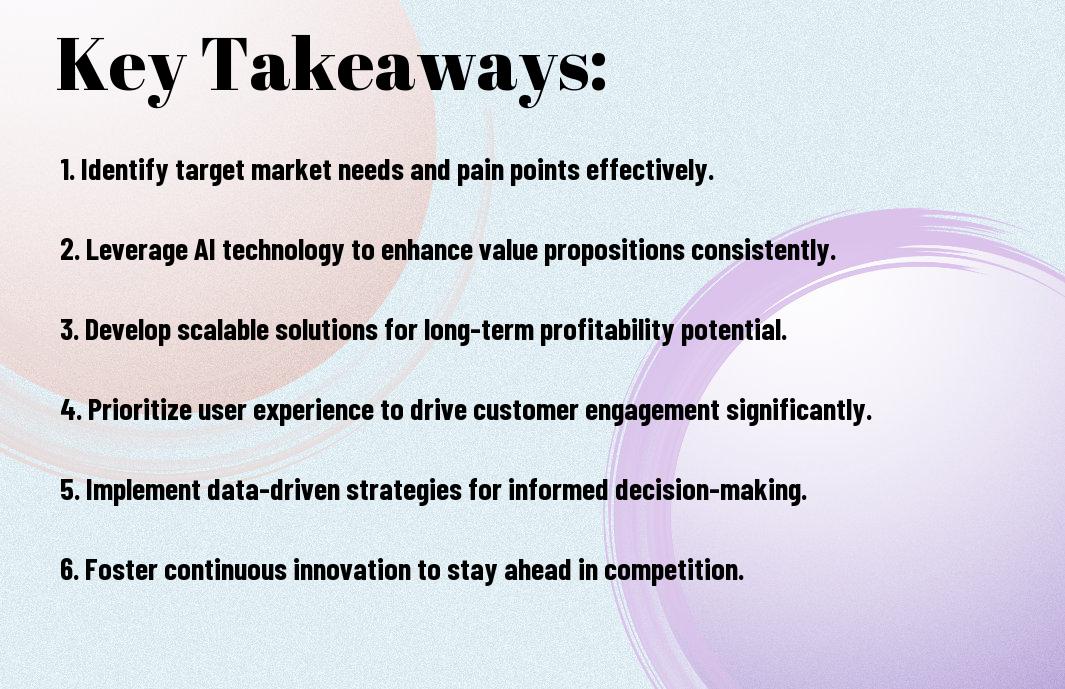
Key Takeaways:

  • AI is making wealth creation more accessible to a broader range of people, regardless of their background or financial situation, by providing tools and resources that were previously only available to large corporations and wealthy individuals.
  • The rise of AI-powered platforms and marketplaces is creating new opportunities for entrepreneurs to start and grow businesses, and to reach customers and investors from all over the world.
  • AI is also enabling the development of new financial instruments and investment vehicles, such as cryptocurrency and robo-advisors, which are making it easier for people to invest and manage their wealth.
  • The democratization of wealth through AI is also leading to a more level playing field, where small businesses and individual entrepreneurs can compete with larger corporations, and where anyone can access the resources and tools they need to succeed.
  • As AI continues to evolve and improve, it is likely to create even more opportunities for entrepreneurs and individuals to create wealth and achieve financial independence, and to make the global economy more inclusive and equitable.

The Wealth Gap in Traditional Business Models

The traditional business models have long been plagued by a significant wealth gap, limiting opportunities for many entrepreneurs. You may have noticed that accessing capital, networks, and resources is often a challenge, hindering your ability to start and grow a successful business.

Historical barriers to entrepreneurship

Any aspiring entrepreneur can attest to the numerous obstacles that have historically prevented people from pursuing their business goals. You will likely face significant hurdles, including lack of access to funding, mentorship, and social connections, making it difficult for you to get your business off the ground.

The capital-intensive startup paradigm

With the traditional startup model, you are often required to invest significant amounts of capital to get your business started. You will need to consider the costs of equipment, hiring employees, and marketing, which can be a significant burden on your finances.

Due to the high costs associated with starting a business, you may be forced to rely on external funding sources, such as loans or investors, which can be difficult to secure and may come with significant risks. You should consider the potential consequences of taking on debt or giving up equity in your company, and explore alternative models that can help you achieve your business goals while minimizing financial risk.

AI as the Great Equalizer

Some of the most significant advantages of AI are its ability to level the playing field, allowing you to compete with larger businesses. You can now access technologies that were previously reserved for big corporations, enabling you to innovate and grow your business.

Reduced entry costs through automation

Through the power of automation, you can reduce the costs associated with starting and running a business. You can automate tasks, streamline processes, and allocate your resources more efficiently, allowing you to focus on growth and development.

Scaling without proportional resource investment

By leveraging AI, you can scale your business without having to invest proportionally in resources. You can handle increased demand, expand your customer base, and explore new markets without breaking the bank.

A key aspect of scaling without proportional resource investment is that you can use AI to optimize your operations, making the most of your existing resources. You can analyze data, identify areas of improvement, and make informed decisions to drive your business forward, all while keeping costs under control and maximizing your return on investment.

Accessible AI Tools for Today’s Entrepreneur

Once again, you have the opportunity to leverage AI tools to grow your business, regardless of your background or resources. With the rise of AI, you can now access a wide range of tools and platforms that were previously unavailable to you.

No-code AI platforms transforming business operations

By utilizing no-code AI platforms, you can streamline your business operations and automate tasks without needing extensive coding knowledge, allowing you to focus on high-level decision-making and strategy.

Affordable AI-powered market research and analysis

The advent of affordable AI-powered market research and analysis tools has made it possible for you to gain valuable insights into your target audience and make data-driven decisions to drive your business forward.

A key benefit of affordable AI-powered market research and analysis is that you can now conduct thorough market analysis without breaking the bank, enabling you to identify trends, preferences, and behaviors that can inform your business strategy and help you stay competitive in your industry, allowing you to make informed decisions that drive your business towards success.

Democratized Expertise Through AI

To leverage AI, you can access advanced tools and insights, bridging the gap between your business and expert-level knowledge, allowing you to make informed decisions and drive growth.

Knowledge work without the expensive experts

Across various industries, you can now perform complex tasks without hiring costly specialists, as AI-powered solutions provide you with the necessary expertise to tackle challenging projects and achieve your goals.

Decision-making support for solo entrepreneurs

Entrepreneurs like you can benefit from AI-driven decision support, enabling you to analyze data, identify patterns, and make strategic choices that propel your business forward, all without the need for a large team.

Even as a solo entrepreneur, you can rely on AI to provide you with data-driven insights, helping you to navigate uncertain markets, anticipate trends, and adjust your strategy to stay competitive, ultimately giving you the confidence to make informed decisions that drive your business success.

The New Economic Landscape

Despite the uncertainty surrounding AI’s impact on the economy, you are now presented with unprecedented opportunities for wealth creation. As AI continues to advance, your ability to adapt and innovate will be key to success in this new landscape.

Micro-entrepreneurship enabled by AI

Betwixt the rise of AI and the fall of traditional barriers to entry, you can now launch and grow a business with relative ease, accessing global markets and customers like never before.

Redefining competitive advantage in the AI era

By leveraging AI, you can analyze vast amounts of data, identify patterns, and make informed decisions to stay ahead of the competition, redefining what it means to have a competitive edge in your industry.

The ability to redefine your competitive advantage in the AI era means you can focus on high-value tasks, such as strategy and creativity, while automating routine and repetitive ones, allowing you to differentiate your business and achieve greater success. As you navigate this new landscape, you will need to stay agile and open to new technologies and innovations, continually assessing how they can be used to improve your business and drive growth.

Navigating AI Ethics as a Small Business

Not all AI solutions are created equal, and as a small business owner, you need to be aware of the potential pitfalls and ensure that your AI adoption aligns with your values and goals.

Responsible AI use for sustainable growth

Among the key considerations for responsible AI use, you should prioritize transparency, accountability, and fairness to ensure that your AI systems are trustworthy and beneficial to your business and customers.

Building trust with AI-enhanced customer experiences

Customer-centric approaches to AI adoption can help you build trust with your audience, and as you implement AI-powered solutions, you should focus on creating seamless and personalized experiences that meet your customers’ evolving needs.

Growth through AI-enhanced customer experiences requires a deep understanding of your audience and a commitment to using AI in ways that are transparent, explainable, and respectful of your customers’ data and privacy, allowing you to foster loyalty and drive long-term success for your business.

To wrap up

Taking this into account, you can see how AI is bridging the wealth gap, offering your business unprecedented opportunities. As you explore these advancements, consider Democratizing data analytics and AI to level the playing field for small businesses, enabling you to make informed decisions and drive your enterprise forward, ultimately transforming your entrepreneurial journey.

FAQ

Q: What role is AI playing in democratizing wealth creation, and how can entrepreneurs benefit from it?

A: AI is playing a significant role in democratizing wealth creation by providing access to advanced technologies, tools, and platforms that were previously only available to large corporations. With AI, entrepreneurs can now automate tasks, analyze vast amounts of data, and make informed decisions, thereby leveling the playing field. This democratization of wealth creation opportunities enables entrepreneurs from diverse backgrounds to innovate, scale, and compete in the global market, regardless of their geographical location or financial resources.

Q: How can AI-driven tools and platforms help entrepreneurs overcome traditional barriers to wealth creation, such as lack of funding or limited access to networks?

A: AI-driven tools and platforms can help entrepreneurs overcome traditional barriers to wealth creation by providing alternative funding options, such as crowdfunding and peer-to-peer lending, and connecting them with potential investors and partners through online networks. Additionally, AI-powered platforms can offer resources and services such as digital marketing, e-commerce solutions, and business management tools, enabling entrepreneurs to reach a wider audience, manage their operations efficiently, and make data-driven decisions. This can help bridge the gap between entrepreneurs from underprivileged backgrounds and those with more resources, creating a more equitable playing field.

Q: What skills and knowledge do entrepreneurs need to acquire to effectively leverage AI and participate in the democratization of wealth creation, and how can they get started?

A: To effectively leverage AI and participate in the democratization of wealth creation, entrepreneurs need to acquire skills such as data analysis, digital literacy, and strategic thinking. They should also have a basic understanding of AI concepts, such as machine learning and natural language processing, and be able to apply them to their business models. To get started, entrepreneurs can take online courses, attend workshops and webinars, and join AI-focused communities and forums to learn from experts and network with peers. Furthermore, they can experiment with AI-powered tools and platforms, such as chatbots, virtual assistants, and predictive analytics software, to gain hands-on experience and develop practical skills.

The Roadmap to a Successful AI Startup – Strategies for Financial Growth

As you initiate on your AI startup journey, you need a clear plan to achieve financial growth. Your success depends on making informed decisions and leveraging the right strategies. You will face challenges, but with a well-defined roadmap, you can navigate them effectively. Your ability to adapt and innovate will be key to driving your business forward and staying ahead of the competition, ultimately leading to a successful and profitable AI startup.

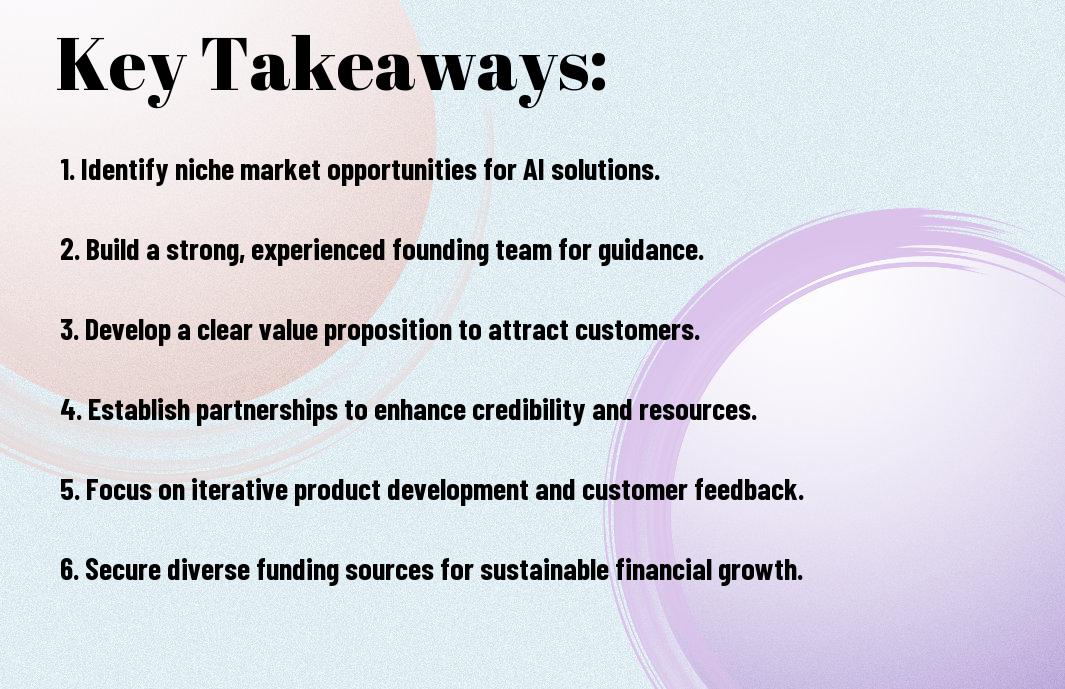
Key Takeaways:

  • Developing a clear and unique value proposition is necessary for an AI startup to differentiate itself in a competitive market and attract investors, customers, and top talent.
  • Building a strong team with a mix of technical, business, and industry expertise is vital for driving innovation, managing operations, and making informed strategic decisions.
  • A well-planned go-to-market strategy is necessary for AI startups to effectively reach their target audience, generate revenue, and achieve financial growth.
  • Securing funding through various channels, such as venture capital, grants, or partnerships, is necessary to support the development and scaling of AI technologies.
  • Continuous monitoring and evaluation of the startup’s performance, combined with a willingness to adapt and pivot when necessary, is necessary to stay competitive and achieve long-term success in the rapidly evolving AI landscape.

The AI Startup Landscape

While navigating the AI startup landscape, you’ll encounter various challenges and opportunities. Your ability to adapt and innovate will be key to success. You’ll need to stay informed about the latest trends and technologies to make informed decisions about your business.

Current Market Dynamics

By examining the current market, you can identify areas of growth and potential roadblocks. You’ll gain insights into how your competitors are using AI and where you can differentiate your business. This knowledge will help you make strategic decisions about your products and services.

Identifying Viable Niches

Beside the main players, there are numerous niches waiting to be explored. You can find opportunities in areas like healthcare, finance, or education, where AI can solve specific problems. Your goal is to find a niche that aligns with your strengths and interests.

Viable niches often emerge at the intersection of AI and other technologies, such as IoT or blockchain. You can explore these areas to find innovative solutions that meet the needs of your target market. As you examine deeper, you’ll discover opportunities to create unique products and services that set your business apart from others.

Building Your Financial Foundation

It is vital to establish a solid financial foundation for your AI startup, as this will determine your company’s ability to grow and scale. You need to consider your funding options, revenue streams, and expense management to ensure a stable financial base.

Bootstrapping vs Venture Capital

Building on your initial funding, you must decide whether to bootstrap or seek venture capital. You should weigh the pros and cons of each option, considering factors such as control, risk, and growth potential.

Creating Sustainable Revenue Models

Building a robust revenue stream is vital for your AI startup’s success. You should focus on developing a scalable and profitable business model that generates consistent revenue, allowing your company to grow and expand.

In fact, creating sustainable revenue models requires careful planning and execution. You will need to identify your target market, develop a unique value proposition, and design a pricing strategy that balances revenue goals with customer demand. As you refine your revenue model, you can continually assess and adjust your approach to optimize your financial performance and drive long-term growth.

Product Development Strategy

For a successful AI startup, your product development strategy is key to driving financial growth. You need to focus on creating a product that meets the needs of your target market, while also being scalable and adaptable to changing market conditions.

Minimum Viable Product Approach

Before launching a full-scale product, you should consider a minimum viable product approach, allowing you to test and refine your product with a smaller investment of time and resources, and gather valuable feedback from early adopters.

Scaling Technology Infrastructure

Minimal technology infrastructure is required to support your growing product, you will need to ensure that your infrastructure can handle increased traffic and data storage, and that you have the necessary tools and expertise to manage and maintain it.

A well-planned technology infrastructure will enable you to scale your product quickly and efficiently, and will provide a solid foundation for your startup’s long-term success, allowing you to focus on developing new features and improving user experience, and ultimately driving your financial growth and expansion.

Customer Acquisition Frameworks

To establish a successful AI startup, you need to develop effective customer acquisition frameworks that drive financial growth. Your strategy should focus on identifying and targeting the right audience, creating engaging experiences, and building strong relationships with your customers.

B2B vs B2C Considerations

One key aspect to consider is the difference between B2B and B2C customer acquisition strategies, as you will need to tailor your approach to your specific target market, taking into account the unique needs and preferences of your customers.

Metrics That Matter

On the path to financial growth, you will need to track and analyze key metrics that indicate the success of your customer acquisition efforts, such as customer lifetime value, acquisition costs, and retention rates, to make informed decisions about your strategy.

Due to the complexity of AI-driven customer acquisition, you will need to closely monitor these metrics and adjust your approach as needed to optimize your results and achieve your financial goals, ensuring that your startup remains competitive in the market and continues to grow and thrive over time.

Talent Acquisition and Retention

Your ability to attract and retain top talent is vital to the success of your AI startup, as it enables you to develop innovative solutions and drive business growth.

Assembling the Right Team

With the right combination of skills and expertise, you can build a team that is well-equipped to tackle complex AI challenges and develop cutting-edge solutions that meet your customers’ needs.

Equity Distribution and Incentives

For your team members to feel motivated and invested in your startup’s success, you need to offer competitive equity distribution and incentives that align with their contributions and performance.

In fact, a well-structured equity distribution plan can help you attract and retain top talent, as it provides a clear path for team members to share in the startup’s growth and success, and can be a key differentiator in a competitive job market, allowing you to build a loyal and dedicated team that is committed to driving your startup’s financial growth.

Navigating Regulatory Challenges

Despite the numerous benefits of AI, you will face regulatory challenges that can impact your startup’s growth. You must understand the laws and regulations surrounding AI to avoid potential pitfalls and ensure compliance.

Data Privacy Compliance

Regulatory frameworks governing data privacy vary by region, and you must familiarize yourself with the specific laws applicable to your business, such as GDPR or CCPA, to ensure your AI systems handle user data responsibly.

Industry-Specific Regulations

Between the lines of general regulations, you will find industry-specific rules that apply to your AI startup, such as healthcare or finance, which require specialized compliance measures to ensure your business operates within legal boundaries.

Privacy concerns are paramount when dealing with industry-specific regulations, and you should prioritize transparency and security in your AI systems to maintain user trust and avoid legal repercussions, considering the unique challenges and requirements of your industry to ensure your startup’s success.

Final Words

With these considerations, you now have a clear understanding of the roadmap to a successful AI startup. You can navigate your business towards financial growth by implementing the strategies outlined. Your ability to adapt and innovate will be key to staying ahead in the competitive AI landscape. By following this guide, you will be well-equipped to make informed decisions and drive your AI startup towards long-term success, achieving your business goals and maximizing your returns on investment.

FAQ

Q: What are the key factors to consider when developing a roadmap for a successful AI startup?

A: When developing a roadmap for a successful AI startup, it’s vital to consider several key factors, including a clear definition of the problem you’re trying to solve, a thorough understanding of your target market and competition, and a well-defined unique value proposition. Additionally, you should have a solid plan for data collection and management, a talented team with the necessary skills and expertise, and a strategy for securing funding and managing finances. A well-structured roadmap will help you navigate the challenges of building a successful AI startup and achieve financial growth.

Q: How can AI startups effectively measure and track their financial growth and progress?

A: AI startups can effectively measure and track their financial growth and progress by establishing key performance indicators (KPIs) such as revenue growth, customer acquisition costs, and retention rates. Regularly reviewing financial statements, including income statements and balance sheets, is also vital. Utilizing data analytics tools to monitor and analyze financial data can help identify trends and areas for improvement. Moreover, setting realistic milestones and benchmarks, and regularly assessing progress against these targets, will enable AI startups to make informed decisions and adjust their strategies as needed to drive financial growth.

Q: What strategies can AI startups use to secure funding and investment for financial growth?

A: AI startups can use several strategies to secure funding and investment for financial growth, including developing a compelling pitch and business plan, building a strong network of contacts and connections in the investment community, and leveraging crowdfunding platforms and incubators. Applying for grants and government funding programs specifically designed for AI and technology startups can also be beneficial. Additionally, considering partnerships and collaborations with established companies can provide access to resources, expertise, and funding. A well-prepared and persuasive approach to investors, highlighting the unique value proposition and growth potential of the startup, is also vital for securing the funding needed to drive financial growth and success.

Skip to content