Wealth

What role does budgeting play in the process of accumulating wealth

If you aspire to accumulate wealth, budgeting is an imperative process that serves as the blueprint for your financial success. By carefully planning and allocating your income to prioritize saving and investing, you pave the way for building a solid foundation for wealth creation. Budgeting empowers you to control your spending, identify areas for potential savings, and make informed decisions to grow your assets over time. It is the disciplined practice of budgeting that sets the stage for achieving your long-term financial goals and ultimately realizing your dreams of wealth accumulation.

Key Takeaways:

  • Financial discipline: Budgeting helps in fostering financial discipline by tracking expenses, prioritizing savings, and avoiding unnecessary spending.
  • Goal setting: Budgeting enables individuals to set clear financial goals, such as saving for retirement, purchasing a home, or investing in assets that contribute to wealth accumulation.
  • Long-term wealth accumulation: Consistent budgeting allows for the accumulation of wealth over time through disciplined saving, investment, and strategic financial planning.

Setting Financial Goals

A crucial step in the process of accumulating wealth is setting clear financial goals. By establishing specific objectives, you give yourself a roadmap to follow and a target to aim for. This clarity will help you stay focused and motivated on your journey towards financial success.

Identifying Short-Term and Long-Term Objectives

To begin, you need to identify both short-term and long-term financial goals. Short-term goals typically include building an emergency fund, paying off high-interest debts, or saving for a vacation. Long-term goals, on the other hand, may involve purchasing a home, funding your children’s education, or retiring comfortably. By distinguishing between these two types of objectives, you can create a balanced financial plan that caters to your immediate needs and secures your future.

Prioritizing Needs vs. Wants

To make progress towards your financial goals, it is necessary to prioritize your needs over your wants. Needs are necessities like food, shelter, healthcare, and transportation, while wants are luxuries such as dining out, designer clothes, or the latest gadgets. By differentiating between the two and focusing on fulfilling your needs first, you ensure that your financial resources are allocated sensibly and constructively.

ShortTerm It’s important to remember that prioritizing needs over wants does not mean depriving yourself of all enjoyment. It simply means making conscious choices that align with your financial goals and values. By cutting back on unnecessary expenses and redirecting those savings towards your long-term objectives, you are investing in your financial well-being and building a solid foundation for future wealth accumulation.

Creating a Budget

Some people view budgeting as a restrictive financial practice, but in reality, it is a powerful tool that can help you achieve your wealth accumulation goals. Creating a budget is the first step towards gaining control of your finances and making informed decisions about your money.

Tracking Income and Expenses

An necessary part of creating a budget is tracking your income and expenses. By keeping a record of how much money you earn and where it goes, you can gain a clear understanding of your financial habits and identify areas where you can make improvements. This step is crucial in helping you establish a solid foundation for your wealth-building journey.

Categorizing Expenditures

Categorizing your expenditures is a key component of creating an effective budget. By organizing your expenses into different categories such as housing, transportation, food, and entertainment, you can see where the majority of your money is being spent. This insight allows you to prioritize your spending and make adjustments to ensure you are allocating your resources wisely.

A well-crafted budget will not only help you track where your money is going but also enable you to set specific savings goals and monitor your progress towards achieving them. By categorizing your expenditures, you can identify areas where you can cut back on spending and redirect those funds towards your wealth accumulation goals.

Allocating Resources Effectively

With a detailed budget in place, you can allocate your resources effectively towards wealth accumulation. By setting aside a portion of your income for savings, investments, and debt repayment, you are actively working towards building long-term financial security. Budgeting allows you to make intentional decisions about how you want to use your money, ensuring that every dollar has a purpose in helping you achieve your wealth goals.

Expenditures such as dining out, shopping, and entertainment can quickly add up and derail your wealth accumulation efforts if left unchecked. By allocating your resources wisely and staying disciplined with your budget, you can make significant strides towards accumulating wealth and securing your financial future.

Managing Debt

Assessing Debt Levels

For you to effectively manage your finances and work towards accumulating wealth, the first step is to assess your current debt levels. Take stock of all your outstanding debts, including credit card balances, loans, and any other financial obligations you may have. Understanding the total amount of debt you owe is crucial in creating a strategic plan to pay it off.

Developing a Debt Repayment Plan

With a clear picture of your debt situation, the next step is to develop a debt repayment plan. This plan should outline how you will tackle each debt systematically, considering factors such as interest rates, due dates, and your financial capacity. By creating a structured repayment plan, you can stay organized and focused on reducing your debt effectively.

Managing debt can seem overwhelming, but breaking it down into manageable steps can make the process more achievable. Start by listing out all your debts, then prioritize them based on factors like interest rates or outstanding balances. This approach allows you to see the bigger picture and develop a clear strategy for paying off your debts.

Strategies for Reducing Debt

To successfully reduce your debt and move closer to your goal of accumulating wealth, consider implementing strategies such as the snowball or avalanche method. The snowball method involves paying off the smallest debts first to gain momentum, while the avalanche method focuses on tackling debts with the highest interest rates to save on interest costs over time.

For instance, you could start by committing to paying more than the minimum due on your highest-interest debt while making minimum payments on the others. Once the high-interest debt is cleared, you can move on to the next one, gradually eliminating your debts and freeing up more funds to save and invest for your future.

Building an Emergency Fund

Importance of Liquidity

Liquidity, the ease with which an asset can be converted into cash, is crucial when building an emergency fund. Having a liquid emergency fund ensures that you can quickly access funds in case of unexpected expenses or financial difficulties. By prioritizing liquidity in your emergency fund, you can safeguard yourself against unforeseen circumstances and avoid dipping into long-term investments that may carry penalties or fees for early withdrawal.

Calculating Emergency Fund Requirements

With the importance of liquidity in mind, calculating your emergency fund requirements involves analyzing your monthly expenses and determining how many months’ worth of expenses you should aim to save. Financial experts often recommend setting aside three to six months’ worth of living expenses in your emergency fund. This amount can vary based on your individual circumstances, such as job stability, health considerations, and overall risk tolerance.

  • Assess your monthly expenses to determine your financial safety net.
  • Consider any additional factors that may impact your emergency fund needs.

Requirements: To ensure that you have a sufficient cushion to weather financial storms, you should strive to continuously grow your emergency fund. Consistently saving a portion of your income each month and cutting unnecessary expenses can accelerate your progress in reaching your emergency fund goal. Keep in mind, emergencies are unpredictable, so being proactive in building and maintaining your emergency fund is key to your financial security.

Tips for Growing an Emergency Fund

Understanding the significance of having a robust emergency fund, here are some tips to help you grow your financial safety net:

  • Automate your savings by setting up recurring transfers to your emergency fund.
  • Cut back on non-crucial expenses and redirect those funds to your emergency fund.

After implementing these strategies, you will be better equipped to handle unexpected financial setbacks and stay on track towards building wealth and achieving your long-term financial goals.

Investing for the Future

Introduction to Investment Options

One of the key steps in accumulating wealth is investing for the future. By putting your money into various investment options, you have the potential to grow your wealth significantly over time. There are a wide range of investment options available to you, each with its own level of risk and potential return.

Risk Management Strategies

With any investment, there is an inherent level of risk involved. To mitigate these risks, it’s important to implement effective risk management strategies. Diversifying your investment portfolio is one such strategy that can help spread risk across different asset classes.

By diversifying, you reduce the impact of a poor performance in any single investment on your overall portfolio. This can help cushion the effects of market fluctuations and decrease the likelihood of incurring significant losses.

Diversifying Your Portfolio

One way to manage risk in your investment portfolio is by diversifying. By spreading your investments across different asset classes, such as stocks, bonds, real estate, and commodities, you can reduce the impact of any single asset underperforming. Diversification can help you achieve a more stable and balanced portfolio, which is crucial for long-term wealth accumulation.

The key is to find the right balance of investments that align with your risk tolerance, financial goals, and time horizon. Regularly reviewing and adjusting your portfolio to ensure it remains diversified in line with your financial objectives is necessary to long-term success.

Avoiding Lifestyle Creep

After creating a budget and starting your journey towards accumulating wealth, one of the biggest challenges you may face is avoiding lifestyle creep. This phenomenon occurs when your spending gradually increases as your income rises. It can be tempting to upgrade to a fancier lifestyle with every raise or bonus, but this can hinder your progress towards financial independence.

Recognizing the Dangers of Overspending

For you to reach your wealth accumulation goals, it’s crucial to recognize the dangers of overspending. Constantly increasing your expenses to match your income not only makes it harder to save and invest but also creates a cycle of dependency on a high income to maintain your lifestyle. This can leave you vulnerable to financial setbacks and limit your ability to build long-term wealth.

Strategies for Maintaining a Frugal Mindset

Strategies for maintaining a frugal mindset can help you combat lifestyle creep and stay on track towards your financial goals. One effective approach is to set strict budget limits for different spending categories and regularly track your expenses to ensure you’re not overspending. Additionally, consider automating your savings and investments to prioritize building wealth over unnecessary expenditures.

Strategies such as regularly reviewing your budget, setting specific financial goals, and avoiding impulse purchases can all contribute to maintaining a frugal mindset. By consciously choosing to prioritize long-term financial security over short-term gratification, you’ll be better equipped to resist the temptation of lifestyle inflation and make decisions that align with your wealth accumulation objectives.

Practicing Gratitude and Contentment

Overspending is often driven by a desire for more possessions or experiences, leading to a never-ending cycle of chasing material wealth. Practicing gratitude and contentment can help you break free from this mindset and appreciate what you already have. By focusing on the things that truly matter to you and finding joy in simplicity, you can reduce the urge to overspend on unnecessary luxuries.

For you, cultivating a sense of gratitude for your current financial situation and celebrating small milestones along your wealth accumulation journey can provide a sense of fulfillment that doesn’t depend on the accumulation of material goods. By embracing contentment with what you have and staying mindful of your financial goals, you can resist the pressures of lifestyle creep and stay committed to building lasting wealth.

Lifestyle

Lifestyle creep can be a significant obstacle on your path to financial success, but by recognizing its dangers and adopting strategies to maintain a frugal mindset, you can overcome this challenge and make significant progress towards accumulating wealth. Practicing gratitude and contentment can further reinforce your commitment to financial independence and help you appreciate the journey as much as the destination. By prioritizing long-term financial security over short-term indulgences, you’ll be better positioned to achieve your wealth accumulation goals and secure a prosperous future.

To wrap up

Considering all points discussed in this article, budgeting plays a crucial role in the process of accumulating wealth. By creating a budget, you gain better control over your finances, allowing you to track your spending, save more effectively, and invest wisely. Budgeting is the foundation upon which your financial success is built, helping you to achieve your long-term goals and build wealth over time. It is a powerful tool that empowers you to take charge of your financial future and make informed decisions about your money. To learn more about budgeting, saving, investments, and education, check out Budgeting, Saving, Investments & Education – BWSS.

FAQ

Q: What role does budgeting play in accumulating wealth?

A: Budgeting is important in accumulating wealth as it helps individuals track their income and expenses, identify areas where they can save money, and invest those savings to grow their wealth over time. By creating a budget and sticking to it, individuals can ensure they are living within their means and have funds available to put towards their long-term financial goals.

Q: How can budgeting help in achieving financial independence?

A: Budgeting is a crucial tool in achieving financial independence as it allows individuals to take control of their finances, avoid debt, and build savings that can support them in times of need. By following a budget, individuals can also prioritize their spending towards investments and assets that generate passive income streams, ultimately leading to financial freedom and independence.

Q: What are some tips for effective budgeting to accumulate wealth?

A: To effectively use budgeting to accumulate wealth, individuals should first track their income and expenses to understand their financial situation. They should then set clear financial goals, prioritize saving and investing, and regularly review and adjust their budget as needed. It is also important to avoid unnecessary expenses, live below one’s means, and consistently contribute to wealth-building vehicles such as retirement accounts and investment portfolios.

What are the best investment strategies for long-term wealth building

With the goal of achieving long-term wealth preservation and growth, it is important for you to understand the best investment strategies. In the world of finance, Benjamin Graham’s principles of value investing can guide your choices. By focusing on intrinsic value and margin of safety, you can navigate the market’s fluctuations with a disciplined approach to building wealth over time. To further enhance your knowledge, explore the 5 Best Long-Term Investments 2024 for insights into potential avenues to grow your wealth.

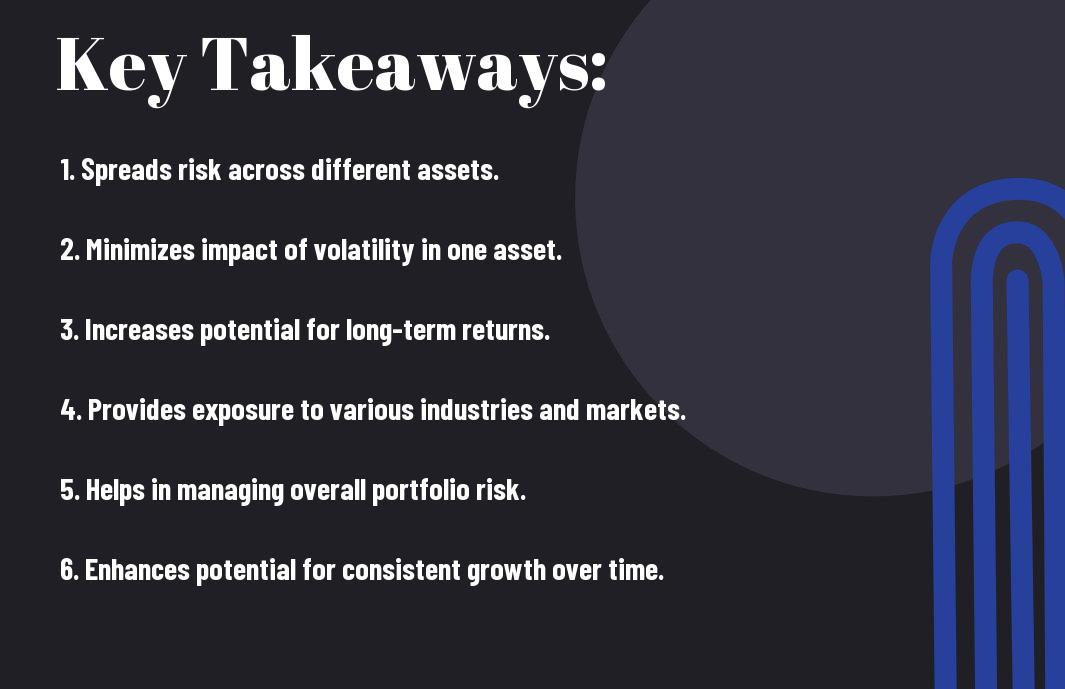
Key Takeaways:

  • Diversification: Investing in a variety of assets can help spread risk and minimize potential losses.
  • Consistency: Making regular contributions to your investments over time can help take advantage of compounding growth.
  • Patience: Long-term wealth building requires patience and a focus on the bigger picture, rather than short-term market fluctuations.

Setting the Foundation

Defining Long-term Wealth Building

With every investment decision you make, you are paving the way towards your long-term wealth building goals. Long-term wealth building is the process of strategically growing your assets over an extended period, typically years or even decades. It involves making consistent and informed investment choices that align with your financial objectives, risk tolerance, and time horizon. By focusing on the long term, you prioritize steady growth and compounding returns, rather than seeking quick gains through speculative endeavors.

Importance of a Well-Planned Investment Strategy

An important aspect of setting the foundation for long-term wealth building is establishing a well-planned investment strategy. This strategy serves as your roadmap, guiding your investment decisions, and helping you stay disciplined during market fluctuations. A well-thought-out investment strategy takes into account your financial goals, risk tolerance, time horizon, and diversification needs. It helps you avoid emotional reactions to market movements, keeping you focused on your long-term objectives.

Setting the foundation for long-term wealth building with a well-planned investment strategy is crucial for your financial success. It provides you with a framework to make thoughtful and informed investment decisions, reducing the impact of market volatility and emotional biases. By crafting a solid investment strategy, you can increase the likelihood of achieving your long-term financial goals and building lasting wealth over time.

Diversification Strategies

There’s a famous saying in the investment world: “Don’t put all your eggs in one basket.” This principle emphasizes the importance of diversification in your investment portfolio. Diversification is a strategy that involves spreading your investments across different assets to reduce risk.

Asset Allocation: Spreading Risk Across Markets

To effectively diversify your portfolio, you need to consider asset allocation. By spreading your investments across various markets, such as stocks, bonds, real estate, and commodities, you can reduce the impact of a downturn in any single market on your overall wealth. This strategy can help you achieve a more balanced and resilient portfolio over the long term.

Diversifying Across Asset Classes

Classes With diversification across asset classes, you can further enhance the risk-reducing benefits of your portfolio. Each asset class – such as equities, fixed income, and alternative investments – has its own risk and return characteristics. By investing in a mix of asset classes, you can capture the potential upside of different market segments while minimizing overall portfolio risk.

International Diversification: Investing Globally

For international diversification, you can expand your investment horizon beyond domestic markets. By investing in foreign stocks, bonds, or real estate, you can gain exposure to different economies, currencies, and geopolitical environments. This global approach can help you diversify away from any country-specific risks and take advantage of growth opportunities in other parts of the world.

Another benefit of international diversification is the potential currency diversification. When you hold assets denominated in different currencies, you can reduce the risk of being overly exposed to fluctuations in a single currency. This can help protect the purchasing power of your investments and enhance the overall stability of your portfolio.

Value Investing

The Principles of Value Investing

Investing in value involves looking for opportunities where the market has undervalued a particular stock or bond. The principle is to buy these assets at a discount to their intrinsic value, with the belief that their true worth will eventually be recognized by the market, resulting in significant returns.

Identifying Undervalued Stocks and Bonds

On your journey to identifying undervalued stocks and bonds, you will need to conduct thorough research and analysis. This may involve investigating financial statements, market trends, and competitive positioning to determine if a particular asset is trading below its intrinsic value.

Value investing requires a keen eye for spotting discrepancies between a stock’s price and its true worth. By delving deep into company fundamentals and market dynamics, you can uncover opportunities that others might overlook, allowing you to make informed investment decisions.

Patiently Holding onto Quality Investments

Quality investments are those that possess strong fundamentals, stable earnings, and a competitive advantage in their industry. When you have identified and acquired such assets at a discount, the key is to patiently hold onto them, allowing time for their value to appreciate.

By maintaining a long-term perspective and resisting the temptation to react to short-term market fluctuations, you give your investments the opportunity to grow steadily over time. This disciplined approach is a hallmark of successful value investors who prioritize the intrinsic value of their assets over short-term gains.

Growth Investing

Your journey towards long-term wealth building through investment involves understanding various strategies. Growth investing is one such strategy where you seek to maximize capital appreciation by investing in companies that have the potential for above-average growth in revenue and earnings.

Focusing on High-Growth Industries and Companies

An imperative aspect of growth investing is focusing on high-growth industries and companies. These are sectors or specific businesses that are experiencing rapid expansion and are expected to continue growing at a significant pace. By identifying and investing in these high-growth opportunities, you position yourself to benefit from the potential upside as these companies increase their market share and profitability.

Identifying Emerging Trends and Opportunities

Growth investing also involves identifying emerging trends and opportunities in the market. By staying informed about technological advancements, societal shifts, and consumer preferences, you can pinpoint companies that are at the forefront of these trends. Investing in companies that are well-positioned to capitalize on these emerging opportunities can lead to substantial returns over the long term.

Growth investors often look for companies that are disrupting traditional industries or creating entirely new markets. By recognizing these early signs of growth and innovation, you can capitalize on the potential for significant wealth accumulation.

Balancing Risk and Potential Return

High-growth investing, while promising significant returns, also carries inherent risks. It’s crucial to balance the potential for high returns with the risks involved in investing in companies with unproven track records or volatile market conditions. Diversification across industries and careful risk management are imperative aspects of mitigating these risks while aiming for long-term wealth accumulation.

By carefully evaluating the growth potential of companies, understanding the risks involved, and diversifying your investment portfolio, you can navigate the world of growth investing more effectively. Recall, the key is to balance the allure of high returns with a prudent approach to risk management in your pursuit of long-term wealth building.

Income Investing

All successful long-term investors know the importance of generating passive income to build wealth steadily over time. Income investing involves putting your money into assets that provide a regular income stream, such as dividends, interest payments, or rental income. By focusing on income-generating investments, you can supplement your active income and grow your wealth more effectively.

Generating Passive Income through Dividend-paying Stocks

Stocks of companies that pay dividends can be an excellent way to generate passive income. When you invest in dividend-paying stocks, you not only benefit from potential capital appreciation but also receive regular dividend payments. By reinvesting these dividends, you can harness the power of compounding and accelerate your wealth accumulation over the long term.

Investing in Bonds and Other Fixed-Income Securities

To further diversify your income sources, consider investing in bonds and other fixed-income securities. Bonds are debt securities issued by governments, municipalities, or corporations to raise capital. When you invest in bonds, you earn interest income based on the bond’s coupon rate and receive the principal amount back at maturity. This can provide a stable income stream while adding stability to your investment portfolio.

Other fixed-income securities, such as certificates of deposit (CDs) and treasury securities, offer additional options for income investors looking for steady returns. These investments typically have lower risk than stocks and can be suitable for conservative investors seeking income with capital preservation.

Real Estate Investment Trusts (REITs) and Master Limited Partnerships (MLPs)

On top of stocks and bonds, you can also explore alternative income investments like Real Estate Investment Trusts (REITs) and Master Limited Partnerships (MLPs). REITs allow you to invest in real estate properties without having to buy, manage, or finance them directly. They generate income through rental payments and can offer high dividend yields to investors. MLPs, on the other hand, are publicly traded partnerships that operate in the natural resources, energy, or real estate sectors. By investing in MLPs, you can benefit from steady cash flows and tax advantages.

Passive

Passive income investing through dividend-paying stocks, bonds, REITs, and MLPs can help you build long-term wealth by generating consistent income streams. By diversifying your portfolio with income-producing assets, you can set yourself up for financial success and a more secure future.

Risk Management Strategies

Many investors aspire to build wealth over the long term by following sound investment strategies. You can learn more about some of these strategies in our article on Investment Strategies for the Long Term. As you aim to grow your wealth, it is crucial to incorporate risk management strategies to protect your investments from potential downturns and uncertainties.

Hedging Against Market Volatility

With market volatility being a constant presence in the investment landscape, it’s vital to consider hedging strategies to safeguard your portfolio. Diversifying your investments across different asset classes can help offset losses in one sector with gains in another. Additionally, options such as purchasing put options or utilizing inverse ETFs can provide protection during market downturns.

Protecting Your Portfolio from Inflation

Risk management also involves protecting your portfolio from the erosive effects of inflation. Inflation can erode the purchasing power of your investments over time. To combat this, consider allocating a portion of your portfolio to assets that tend to perform well during inflationary periods, such as real estate, commodities, or Treasury Inflation-Protected Securities (TIPS).

Market fluctuations and inflation can pose significant risks to your investment portfolio’s long-term growth. It is crucial to implement risk management strategies to mitigate these risks and preserve the value of your assets over time.

Tax-Efficient Investing

For tax-efficient investing, you should consider strategies that aim to minimize the taxes you pay on your investment returns. This can include using tax-advantaged accounts like IRAs and 401(k)s, where your investments can grow tax-free or tax-deferred. Additionally, tax-loss harvesting, where you strategically sell investments at a loss to offset capital gains and reduce your tax liability, can be a valuable tool in tax-efficient investing.

Tax-efficient investing strategies can help you maximize your investment returns by reducing the impact of taxes on your portfolio. By incorporating these strategies, you can potentially increase your after-tax returns and accelerate your wealth-building efforts.

Summing up

Drawing together the various investment strategies discussed in this article, you can see that a diversified portfolio, focused on long-term growth, is key to building wealth over time. By investing in a mix of assets such as stocks, bonds, real estate, and possibly alternative investments, you spread out your risk and position yourself for long-term success.

Approaching investments with a disciplined, patient mindset, and focusing on fundamental analysis rather than short-term market fluctuations, can help you weather economic downturns and take advantage of opportunities for growth. Note, the path to long-term wealth building may not always be smooth, but by staying committed to your investment plan and remaining informed about market trends, you increase your chances of reaching your financial goals over time.

Q: What does long-term wealth building mean?

A: Long-term wealth building refers to the practice of investing and saving money over an extended period, typically with the goal of increasing one’s financial assets over time. This strategy involves making informed and strategic decisions to generate sustainable wealth for the future.

Q: What are some key investment strategies for long-term wealth building?

A: Some key investment strategies for long-term wealth building include diversification, consistent contributions to retirement accounts such as 401(k) or IRAs, investing in low-cost index funds or ETFs, regularly reviewing and rebalancing your investment portfolio, and staying invested through market fluctuations to benefit from compound interest.

How important is risk management in long-term wealth building?

A: Risk management plays a crucial role in long-term wealth building as it helps investors navigate market volatility and mitigate potential losses. By diversifying investments across different asset classes, setting clear investment objectives, and regularly reviewing your portfolio’s performance, you can better manage risk and improve the overall stability of your long-term wealth building strategy.

How does diversification in investments help in building wealth

With the volatile nature of the financial markets, diversification in your investments is key to building long-term wealth. By spreading your money across different asset classes such as stocks, bonds, real estate, and commodities, you can reduce the risk of significant losses and increase your chances of earning consistent returns over time. Diversification not only helps protect your capital but also allows you to benefit from various market trends and economic conditions, ultimately helping you achieve your financial goals more effectively.

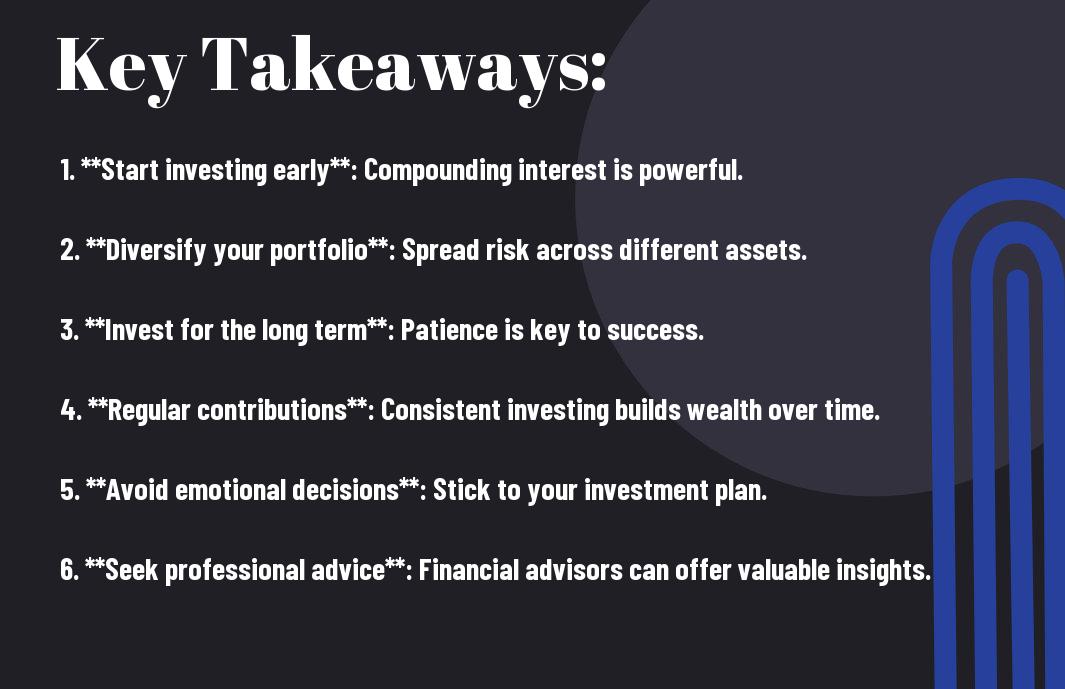
Key Takeaways:

  • Reduced Risk: Diversification helps in spreading risk across different assets, reducing the impact of poor performance of any single investment on the overall portfolio.
  • Enhanced Returns: By investing in a variety of assets, investors can benefit from the potential of different market sectors or industries performing well at different times, leading to enhanced returns.
  • Stability and Consistency: Diversification helps in providing stability and consistency to a portfolio, as losses from one investment can be balanced out by gains from others, leading to a smoother wealth-building journey.

The Importance of Diversification

The What Is Portfolio Diversification? Diversification is crucial in your investment strategy as it involves spreading your investments across different asset classes to reduce the overall risk in your portfolio. By not putting all your eggs in one basket, you can potentially minimize the impact of a poorly performing investment on your overall wealth.

Reducing Risk

On the path to building wealth, it’s important to remember that all investments come with some level of risk. However, by diversifying your portfolio, you can mitigate specific risks associated with individual assets or sectors. For example, if one industry is facing a downturn, having investments in other sectors can help cushion the impact on your overall portfolio.

Increasing Potential Returns

Risk is an inherent part of investing, and higher returns typically come with higher risk. However, by diversifying your investments, you can potentially enhance your overall returns while managing risk. Different asset classes perform differently under varying market conditions, so having a mix of investments can help capture opportunities for growth while balancing out potential losses.

Types of Investment Diversification

Clearly, diversification is key when it comes to building wealth through investments. It involves spreading your investment portfolio across different assets to reduce risk and enhance returns. Here are different types of investment diversification strategies that can help you on your path to financial growth:

Asset Allocation

Diversifying Across Industries

One of the most effective ways to diversify your investments is through asset allocation, where you distribute your funds among different asset classes such as stocks, bonds, real estate, and commodities. This strategy helps you mitigate risks associated with a particular asset class and can improve your overall portfolio performance.

Diversifying across industries involves investing in companies from various sectors. By spreading your investments in industries like technology, healthcare, consumer goods, and energy, you safeguard your portfolio from industry-specific risks. This strategy ensures that even if one sector underperforms, your overall portfolio remains stable.

Geographic Diversification

Diversification across different geographic regions is another crucial strategy to minimize risk in your investment portfolio. By investing in international markets alongside domestic ones, you can reduce the impact of economic downturns in a single country. This approach helps you capture opportunities in global markets and protects your investments from country-specific risks.

For instance, if your portfolio is heavily concentrated in one country and that economy faces a downturn, your investments could suffer significant losses. However, by diversifying geographically, you can cushion the impact of such events and potentially capitalize on growth opportunities in other regions.

Benefits of Diversification

Many financial experts agree that diversification is a key strategy in building wealth. Diversifying your investments means spreading your money across different asset classes like stocks, bonds, real estate, and commodities. According to What Is Portfolio Diversification? Guide, diversification can help reduce risk and increase the potential for higher returns in your investment portfolio.

Risk Management

The primary benefit of diversification is risk management. By investing in a variety of assets, you can lower the overall risk of your portfolio. For example, if one asset class underperforms or faces a downturn, the impact on your overall portfolio is minimized because other assets in different categories may still be performing well. This way, you can protect your investments from significant losses and maintain a more stable financial standing.

Improved Returns

With diversification, you not only manage risk but also have the potential for improved returns. Different asset classes have varying levels of returns and risks. By spreading your investments, you increase the likelihood of capturing opportunities for growth in different sectors of the market. This can lead to a more balanced and potentially higher overall return on your investment portfolio.

Another key advantage of diversification is Enhanced Portfolio Resilience.

Enhanced Portfolio Resilience

Risk management goes beyond just lowering the overall risk; it also enhances the resilience of your portfolio. By diversifying, you reduce the impact of market volatility on your investments. Market conditions can change rapidly, but a diversified portfolio can better withstand the impact of these fluctuations. This resilience can help you stay the course during turbulent times and avoid making hasty decisions that may negatively affect your long-term financial goals.

Improved portfolio resilience is crucial in achieving long-term financial success and weathering the ups and downs of the market.

Common Diversification Mistakes

Despite the benefits of diversification in investments, many people make common mistakes that can hinder their wealth-building efforts. Let’s look at some of these errors so you can avoid them and make the most of your investment strategy.

Over-Diversification

An over-diversified portfolio can actually dilute your returns. While spreading your investments across different asset classes is crucial, having too many holdings can lead to decreased performance. It’s crucial to strike a balance between diversification and concentration to optimize your returns.

Lack of Rebalancing

Lack of rebalancing is another common mistake investors make. Over time, the performance of your investments can cause your asset allocation to drift from your original targets. Without regular rebalancing, you may end up with a portfolio that is riskier than you intended. It’s crucial to review and adjust your investments periodically to ensure they align with your financial goals and risk tolerance.

Understanding how and when to rebalance your portfolio is crucial for maintaining an optimal asset allocation. By periodically reviewing and adjusting your investments, you can ensure that your portfolio remains in line with your risk tolerance and long-term financial objectives.

Inadequate Asset Allocation

Overdiversification can lead to inadequate asset allocation. It’s important to have a well-thought-out investment strategy that defines the proportion of your portfolio allocated to different asset classes such as stocks, bonds, real estate, and cash. Without a clear asset allocation plan, you may end up with a portfolio that does not align with your financial goals or risk tolerance.

Rebalancing your portfolio can help address inadequate asset allocation by ensuring that your investments are allocated according to your desired risk level and return expectations. By periodically reviewing and adjusting your asset allocation, you can optimize your portfolio for long-term growth and wealth-building.

Effective Diversification Strategies

Dollar-Cost Averaging

Strategies for effective diversification in investments can help you build wealth steadily over time. One such strategy is Dollar-Cost Averaging, where you invest a fixed amount of money at regular intervals, regardless of market conditions. This approach helps smooth out the impact of market volatility on your investments, as you buy more units when prices are low and fewer units when prices are high. This disciplined approach can lower the average cost per share of your investments over time.

Regular Portfolio Rebalancing

Rebalancing your portfolio regularly is another crucial diversification strategy that can help you optimize your investments. This involves periodically reviewing your asset allocation and adjusting it to maintain your desired level of risk and return. By selling off overperforming assets and buying more of underperforming ones, you can ensure that your portfolio stays diversified and aligned with your financial goals.

The key to successful portfolio rebalancing is to stick to your long-term investment plan and not give in to emotional reactions based on short-term market fluctuations. By periodically reviewing and adjusting your portfolio, you can stay on track to meet your financial objectives.

Tax-Efficient Investing

On top of diversifying your investments across different asset classes, you should also consider tax-efficient investing strategies to maximize your wealth-building potential. This involves investing in tax-advantaged accounts such as IRAs or 401(k)s, where your contributions can grow tax-deferred or tax-free until withdrawal. By minimizing the taxes you pay on your investments, you can accelerate the growth of your wealth over time.

Plus, certain investment vehicles like index funds or exchange-traded funds (ETFs) are known for their tax efficiency due to lower turnover and capital gains distributions. By incorporating these options into your portfolio, you can reduce the tax drag on your returns and keep more money working for you in the long run.

Real-World Examples of Diversification

Now let’s research into some real-world examples of how diversification in investments can help you build wealth. One notable figure known for his successful investment approach is Warren Buffett.

Warren Buffett’s Investment Approach

Any study of successful investors would be incomplete without mentioning Warren Buffett, one of the most renowned investors of all time. Buffett’s investment approach revolves around the concept of diversification. He emphasizes the importance of investing in a wide range of companies across different industries to mitigate risks and maximize returns. By spreading his investments across various sectors, Buffett reduces the impact of market fluctuations on his overall portfolio.

The Success of Index Funds

Success in investing can also be found through index funds. These funds are designed to track a specific market index, such as the S&P 500, providing instant diversification by including a multitude of stocks in one investment. Index funds have gained popularity for their simplicity, low fees, and historically strong performance compared to actively managed funds.

This investment strategy has proven to be highly effective for many investors, especially those looking for a hands-off approach to building wealth. By investing in index funds, you can achieve broad diversification without the need to constantly monitor and adjust your portfolio.

Diversification in Real Estate

On the real estate front, diversification plays a crucial role in building a resilient investment portfolio. Instead of putting all your money into a single property, you can diversify by investing in different types of real estate assets, such as residential properties, commercial real estate, or real estate investment trusts (REITs). This diversification helps spread risk and increase the likelihood of steady returns over time.

Plus, real estate diversification allows you to leverage the unique benefits of each property type. For example, residential properties may offer long-term appreciation potential, while commercial real estate can generate regular rental income. By diversifying your real estate investments, you can create a balanced portfolio that withstands market fluctuations and contributes to long-term wealth growth.

Summing up

By diversifying your investments, you are spreading your risk across different asset classes and industries, reducing the impact that a single investment’s poor performance could have on your overall wealth. This strategy helps you weather market fluctuations and can potentially lead to more stable and consistent returns over time. Note, the key to building wealth is not just about making money, but also protecting what you have already earned.

So, make sure you carefully consider diversification when creating your investment portfolio. Look beyond just stocks and consider other options like bonds, real estate, and even alternative investments. By having a well-diversified portfolio, you are setting yourself up for long-term success and increasing your chances of achieving your financial goals.

Q: How does diversification help in building wealth?

A: Diversification in investments helps in building wealth by spreading risk across different asset classes, industries, and regions. This reduces the impact of a single investment performing poorly, as gains in other areas can offset losses, resulting in a more stable overall return on investment.

Q: What are the benefits of diversifying investment portfolios?

A: Diversifying investment portfolios can help investors achieve better risk-adjusted returns by reducing the overall volatility of their investments. It also enables investors to take advantage of different market conditions and opportunities, leading to a more balanced and resilient investment strategy.

Q: How should one diversify their investments effectively?

A: To diversify investments effectively, one should consider allocating funds across various asset classes such as stocks, bonds, real estate, and commodities. It is also important to diversify within each asset class by investing in different industries, sectors, and geographical regions. Regularly reviewing and rebalancing the portfolio is key to maintaining an optimal diversification strategy.

How can real estate investments contribute to wealth building

Wealth creation can be greatly accelerated through strategic real estate investments. By diversifying with tangible assets like properties, you position yourself for long-term financial growth. One effective way to achieve this is by exploring the 7 Ways to Build Wealth Through Real Estate Investing – Caliber. These proven methods can pave the way to a prosperous future for your financial portfolio. Embrace the power of real estate to take your wealth-building journey to new heights.

Key Takeaways:

  • Diversification: Real estate investments provide diversification to an investment portfolio, reducing risk and increasing opportunities for wealth building.
  • Passive Income: Real estate investments can generate consistent passive income through rental payments, which can be reinvested to further grow wealth over time.
  • Appreciation: Real estate properties have the potential to appreciate in value over time, allowing investors to benefit from capital gains and build wealth through property appreciation.

The Power of Real Estate Investing

For many people, real estate investing has been a powerful tool in building wealth. Whether you are looking to generate passive income or increase your net worth, real estate can offer a variety of benefits that can help you achieve your financial goals.

Historical Performance of Real Estate Investments

Historical data has shown that real estate investments have consistently outperformed many other asset classes over the long term. While there may be fluctuations in the market in the short term, real estate has proven to be a stable and reliable investment option that can provide substantial returns over time. By investing in properties, you have the potential to benefit from both appreciation in property value and rental income, creating multiple streams of wealth generation.

Comparing Real Estate to Other Investment Options

Real Estate

Real Estate Other Investment Options
Diversification High returns
Unique tax benefits Greater liquidity

When comparing real estate to other investment options such as stocks or bonds, real estate offers unique advantages that make it an attractive choice for wealth building. Real estate investments provide diversification to your portfolio, reducing overall risk. Additionally, real estate offers unique tax benefits such as depreciation deductions and the ability to defer capital gains taxes through 1031 exchanges. While other investment options may offer higher liquidity, real estate can provide stable and consistent returns over the long term.

Wealth-Building Strategies

It is vital to have a solid wealth-building strategy in place when venturing into real estate investments. Refer to The Entrepreneur’s Guide to Building Wealth Through Real Estate for valuable insights. Let’s explore some key strategies that can help you build wealth through real estate investments:

Cash Flow Generation through Rental Properties

The primary benefit of investing in rental properties is the consistent cash flow they can generate. By renting out your properties, you can earn a steady stream of passive income each month. This income can help cover the property expenses, including mortgage payments, maintenance costs, and property taxes, while still leaving you with a profit.

Appreciation and Long-Term Growth

Real estate properties have the potential to appreciate over time, leading to long-term growth in your investment portfolio. As the demand for real estate increases and properties become more valuable, the value of your investment also grows. This appreciation can significantly boost your wealth over the years, providing you with a substantial return on investment.

Long-term growth in real estate investments is a key strategy for wealth building. By holding onto properties for an extended period, you can benefit from the compounding effect of appreciation and market growth, ultimately increasing your net worth significantly.

Leverage and Financing Options

One of the unique advantages of real estate investments is the ability to leverage your capital through financing options. By using a combination of your own funds and borrowed money, you can acquire properties that would otherwise be out of your financial reach. This leverage allows you to control a more extensive real estate portfolio and potentially increase your returns on investment.

To maximize your wealth-building potential, consider exploring various financing options such as mortgages, bank loans, or partnerships to acquire properties and diversify your real estate investment portfolio. Leverage can amplify your returns and accelerate your journey towards building substantial wealth through real estate investments.

Types of Real Estate Investments

Many types of real estate investments can help you build wealth over time. Here are some popular options:

Direct Property Ownership Real Estate Investment Trusts (REITs)
Real Estate Mutual Funds and Exchange-Traded Funds (ETFs)

Direct Property Ownership

An attractive option for many investors, direct property ownership involves purchasing a property and renting it out to tenants. This can provide you with a steady stream of rental income, as well as potential appreciation in the property’s value over time. However, it also requires hands-on management of the property, including dealing with maintenance issues and finding tenants.

This type of investment allows you to have full control over the property and its management. You can make decisions on rental prices, property improvements, and when to sell the property. This can be a more hands-on approach to real estate investing, but it can also offer potentially higher returns.

Real Estate Investment Trusts (REITs)

For a more hands-off approach to real estate investing, you may consider investing in Real Estate Investment Trusts (REITs). REITs are companies that own, operate, or finance income-producing real estate across a range of property sectors. By investing in REITs, you can gain exposure to the real estate market without having to directly buy, manage, or finance properties.

Understanding Real Estate Investment Trusts (REITs) can offer you the benefits of real estate investing without the responsibilities of property management. REITs typically pay dividends to investors, providing you with a steady income stream. Additionally, REITs are traded on major stock exchanges, offering you liquidity and ease of buying and selling compared to direct property ownership.

Real Estate Mutual Funds and Exchange-Traded Funds (ETFs)

Estate Mutual Funds and Exchange-Traded Funds (ETFs) pool money from multiple investors to invest in a diversified portfolio of real estate assets. By investing in these funds, you can gain exposure to a variety of properties and real estate projects without the need to directly purchase or manage them. Real Estate Mutual Funds and ETFs offer you diversification and professional management of your real estate investments.

Investments in Real Estate Mutual Funds and Exchange-Traded Funds (ETFs) can offer you access to a diversified real estate portfolio with lower investment costs compared to buying individual properties. These funds are managed by professional portfolio managers, who make decisions on property selection and management, helping you potentially achieve better returns with less risk.

Benefits of Real Estate Investing

Tax Advantages and Deductions

Advantages: Unlike other investments, real estate offers numerous tax advantages and deductions that can help you save money. You can deduct mortgage interest, property taxes, operating expenses, and even depreciation on your rental property. These deductions can lower your taxable income and increase your cash flow, allowing you to keep more of your hard-earned money.

Diversification and Risk Management

With real estate investing, you have the opportunity to diversify your investment portfolio and spread out your risk. By investing in different types of properties in various locations, you can reduce the impact of market fluctuations on your overall wealth. Real estate also tends to have a low correlation with stocks and bonds, further improving your portfolio’s resilience to economic downturns.

To further minimize risk, you can consider investing in real estate investment trusts (REITs) or crowdfunding platforms that allow you to pool your resources with other investors to access a diversified portfolio of properties without the need for direct ownership.

Physical Asset Ownership and Control

Advantages: One of the key benefits of real estate investing is that it provides you with tangible, physical assets that you can see and touch. Unlike stocks or other paper assets, real estate gives you a sense of ownership and control over your investment. You can make decisions about property improvements, tenant selection, rental rates, and more to enhance the value of your assets and increase your returns.

Apart from financial benefits, owning physical assets like real estate can also provide a sense of security and stability, knowing that you have a valuable asset that can appreciate over time and generate passive income for you and your family.

Overcoming Common Challenges

Managing Risk and Market Volatility

An important aspect of real estate investment is managing risk and market volatility. You can minimize risk by conducting thorough market research before stepping into any investment opportunity. Understand the local market trends, economic conditions, and potential risks that may impact your investment. Diversifying your real estate portfolio across different properties and areas can also help spread out risk and protect your wealth.

Finding and Funding Deals

Volatility in the real estate market can make it challenging to find and fund profitable deals. However, you can overcome this challenge by building a strong network of real estate professionals, such as agents, brokers, and other investors. These connections can provide you with insider knowledge about upcoming deals and potential investment opportunities. Additionally, you can explore various funding options like loans, partnerships, or crowdfunding to secure the necessary capital for your real estate investments.

Funding: As far as funding real estate deals, you have several options to consider. Traditional bank loans, private investors, or partnerships can all provide the capital you need to fund your real estate investments. Explore different funding sources to find the best fit for your financial goals and investment strategy.

Property Management and Maintenance

With real estate investments, property management and maintenance can be a significant challenge. Ensuring your properties are well-maintained and managed efficiently is crucial to protecting your investment and maximizing returns. Consider working with a professional property management company to handle day-to-day tasks like tenant relations, maintenance issues, and rent collection. This can free up your time and resources to focus on growing your real estate portfolio.

Overcoming: Overcoming common challenges in real estate investing requires a combination of knowledge, strategy, and perseverance. By staying informed, building a strong network, and leveraging available resources, you can navigate the ups and downs of the market and build long-term wealth through real estate investments.

Building a Real Estate Portfolio

Setting Clear Investment Goals and Objectives

Goals are crucial when building your real estate portfolio. By clearly defining your investment objectives, you can create a roadmap that guides your decision-making process. Consider factors such as your desired level of passive income, long-term wealth creation, or retirement goals. Knowing what you want to achieve will help you select the right properties and investment strategies to reach your financial objectives.

Developing a Diversified Portfolio Strategy

One key aspect of building a successful real estate portfolio is developing a diversified strategy. Instead of putting all your eggs in one basket, consider spreading your investments across different property types, locations, and risk profiles. Diversification helps mitigate risks and can enhance the potential for long-term returns.

Clear

Rebalancing and Adjusting Your Portfolio

Clear goals and objectives will guide you in regularly monitoring and assessing your real estate portfolio. As market conditions change and your financial goals evolve, it’s important to review your investments periodically. Rebalancing involves adjusting your portfolio by buying or selling properties to maintain your desired risk level and investment objectives.

Setting

Conclusion

To wrap up, investing in real estate can be a powerful way for you to build wealth over time. By purchasing properties that appreciate in value, generating rental income, and taking advantage of tax benefits, you can create a steady stream of passive income that contributes to your overall wealth. Recall, real estate investing requires commitment, education, and understanding of the market, but the potential rewards are well worth the effort.

If you’re interested in learning more about how real estate investments can contribute to wealth building, check out this informative article on the Top 10 Ways Real Estate Can Build Wealth. Educate yourself, take action, and start your journey towards financial freedom through strategic real estate investments.

Q: How can real estate investments contribute to wealth building?

A: Real estate investments can contribute to wealth building through various channels. One major way is through property appreciation, where the value of the property increases over time, allowing investors to realize capital gains when the property is sold. Additionally, rental income from real estate properties can provide a steady stream of passive income, which can be reinvested or used to cover expenses. Real estate investments also offer tax advantages such as property depreciation and deductions, which can help investors reduce their tax liability and increase their overall wealth.

Q: What are the benefits of diversifying a portfolio with real estate investments?

A: Diversifying a portfolio with real estate investments can provide several benefits. Real estate has a low correlation with traditional asset classes such as stocks and bonds, which means that it can help reduce overall portfolio risk and increase returns. Additionally, real estate investments offer a hedge against inflation, as property values and rental incomes tend to increase with inflation. By including real estate in a diversified portfolio, investors can achieve a more balanced risk-return profile and potentially enhance their long-term wealth-building goals.

Q: What are some key considerations for investing in real estate for wealth building?

A: When investing in real estate for wealth building, it is important to consider factors such as location, property type, market conditions, financing options, and risk management strategies. Conducting thorough research on potential real estate investments, including analyzing market trends, assessing property values, and understanding rental demand, can help investors make informed decisions. It is also crucial to develop a solid investment strategy, set clear financial goals, and regularly review and adjust the investment portfolio to ensure alignment with wealth-building objectives.

What are the tax implications of various wealth-building strategies

Tax Strategies for Making the Most of Your Wealth can significantly impact your financial growth. Wealth is not just about what you earn but also what you keep. Understanding the tax implications of different wealth-building strategies is crucial for maximizing your assets and securing your financial future. Whether it’s investing, saving, or retirement planning, being aware of tax-efficient methods can make a substantial difference in your overall wealth accumulation. Let’s explore into how various strategies can help you build and preserve your wealth smartly.

Key Takeaways:

  • Tax implications vary across different wealth-building strategies: It is important to understand the tax implications of each strategy such as investing in stocks, real estate, or starting a business.
  • Capital gains tax: Profits from investments such as stocks or real estate are subject to capital gains tax, which can vary based on the holding period and individual tax bracket.
  • Tax advantages of retirement accounts: Utilizing retirement accounts like 401(k)s or IRAs can provide tax benefits through contributions that are tax-deductible or grow tax-deferred until withdrawal.

Investing in Stocks

Your journey to wealth-building often includes investing in stocks, which can offer significant returns over time. However, it’s crucial to understand the tax implications associated with different investment strategies to maximize your gains while staying compliant with tax laws.

Tax implications of short-term capital gains

To begin, short-term capital gains are profits made on investments held for one year or less. These gains are taxed at your ordinary income tax rate, which can be higher than the rate for long-term capital gains. When you sell stocks within a year of purchase and make a profit, you’ll need to report these gains on your tax return and pay taxes accordingly. It’s crucial to factor in this higher tax rate when considering your investment timeline and overall financial goals.

Tax implications of long-term capital gains

One advantage of long-term capital gains is the potentially lower tax rate compared to short-term gains. Investments held for more than a year qualify for this lower rate, which can range from 0% to 20% depending on your income level. By strategically planning to hold onto your stocks for the long term, you can benefit from this reduced tax rate and potentially maximize your investment returns over time.

With careful consideration of your investment goals and timelines, you can navigate the tax implications of both short-term and long-term capital gains to make informed decisions that align with your wealth-building strategy.

Real Estate Investing

Tax benefits of rental properties

To leverage the tax benefits of rental properties, you can take advantage of deductions such as mortgage interest, property taxes, insurance, maintenance costs, and depreciation. These deductions can significantly lower your taxable income, leading to less tax liability. Additionally, if you incur losses on your rental property, you may be able to offset other income if you meet certain criteria set by the IRS.

Tax implications of flipping houses

For those considering flipping houses as a wealth-building strategy, it’s necessary to understand the tax implications. Profits made from flipping houses are typically considered ordinary income and are subject to both income tax and self-employment tax. If you’re regularly flipping properties, the IRS might even classify you as a dealer rather than an investor, which could have different tax implications. It’s crucial to keep detailed records of all transactions and consult with a tax professional to ensure you’re compliant with tax laws.

Estate:

Concerning estate taxes, if you inherit real estate property, the fair market value of the property at the time of the benefactor’s death becomes your new cost basis. This means any appreciation in the property’s value up to the date of inheritance is not subject to capital gains tax. However, if you sell the property in the future, you will be responsible for capital gains tax on any appreciation from the date of inheritance.

Retirement Accounts

Tax advantages of 401(k) and IRA contributions

Now, let’s talk about the tax advantages of contributing to 401(k) and Individual Retirement Accounts (IRAs). The money you contribute to these accounts is typically deducted from your taxable income, which can lower your current tax bill. This means that by contributing to these accounts, you are not only saving for your retirement but also reducing your tax liability today.

Tax implications of early withdrawals

For the tax implications of early withdrawals from your retirement accounts, it’s important to note that if you withdraw funds before the age of 59 ½, you may be subject to both income taxes and a 10% penalty on the amount withdrawn. This penalty is in addition to the regular income tax that you’ll owe on the withdrawn amount. Early withdrawals can significantly reduce the amount you have saved for retirement and may not be worth it due to the tax consequences.

Early withdrawals from retirement accounts should generally be avoided unless you have a qualifying exception, such as a disability or certain medical expenses. It’s crucial to consider the long-term impact of withdrawing funds early, as you may miss out on potential growth and incur hefty tax penalties. Before making any early withdrawals, consult with a financial advisor to understand the full implications on your taxes and retirement savings.

Dividend Investing

Once again, dividend investing can be a solid strategy for building wealth over the long term. When considering the tax implications of dividend investing, it is crucial to understand the differences between qualified and non-qualified dividends.

Tax implications of qualified dividends

An imperative point to note is that qualified dividends are taxed at the capital gains tax rate, which is typically lower than ordinary income tax rates. This can result in significant tax savings for you as an investor. By holding onto qualified dividend-paying stocks for the long term, you can benefit from these lower tax rates.

Tax implications of non-qualified dividends

Dividend income that does not meet the requirements to be classified as qualified dividends is considered non-qualified dividends. These dividends are taxed at your ordinary income tax rates, which can be higher than the capital gains tax rate. It’s important to factor in these higher tax rates when evaluating the overall returns from non-qualified dividend investments.

This highlights the importance of understanding the tax implications of the dividends you receive. By being aware of whether your dividends are classified as qualified or non-qualified, you can make more informed decisions about your investment strategy and minimize your tax obligations.

Peer-to-Peer Lending

To understand the tax implications of your financial planning strategy, especially in Peer-to-Peer lending, it’s crucial to consider how these investments are treated by the IRS. You can find valuable insights on this topic in the article about Tax Implications of Your Financial Planning Strategy.

Tax implications of interest income

Peer-to-Peer lending typically generates interest income, which is taxable. The interest earned from your P2P lending activity should be reported on your tax return as ordinary income. Depending on your tax bracket, this additional income may impact the taxes you owe.

Tax implications of defaulted loans

When considering defaulted loans in Peer-to-Peer lending, it’s vital to be aware that the IRS considers these loans as investment losses. In the event where a borrower defaults on a loan, the amount lost can potentially be deducted as a capital loss on your tax return. However, there are certain limitations and criteria that must be met for you to claim this deduction.

It’s important to keep detailed records of any defaulted loans and consult with a tax professional to navigate the complexities of claiming capital losses in these scenarios. Understanding the tax implications of defaulted loans in Peer-to-Peer lending can help you make informed decisions and manage your tax obligations effectively.

Business Ownership

Many individuals decide to pursue business ownership as a wealth-building strategy. Business ownership can provide you with the opportunity to generate a significant income and build wealth over time. With respect to tax implications, it’s important to consider how your business structure can impact your taxes. To learn more about tax planning strategies related to building wealth through business ownership, check out Tax Planning Strategies to Build Wealth.

Tax implications of pass-through entities (e.g., LLCs, S Corps)

Ownership structures like Limited Liability Companies (LLCs) and S Corporations are pass-through entities, meaning that the business itself is not taxed at the corporate level. Instead, the profits and losses “pass through” to the owners’ individual tax returns. This can offer tax advantages as the business income is only taxed once at the individual owner level. However, you should be aware of self-employment taxes that may apply to certain income generated through these entities.

Tax implications of C Corporation taxation

On the other hand, if you choose to structure your business as a C Corporation, the company is taxed separately from its owners. C Corporations face double taxation, where the business is taxed on its profits, and then shareholders are taxed on any dividends received. While this structure may offer certain benefits like limited liability and potential tax deductions, you should consider the implications of double taxation on your overall tax liability and wealth-building strategy.

Business ownership can be a rewarding path to building wealth, but it’s crucial to understand the tax implications associated with different business structures. By carefully considering how your choice of entity impacts your taxes, you can optimize your wealth-building strategy and make informed decisions that align with your financial goals.

Final Words

Ultimately, understanding the tax implications of various wealth-building strategies is crucial in maximizing your financial growth. By being aware of how different investments, savings accounts, and retirement plans are taxed, you can make informed decisions that benefit you in the long run. Remember to consult with a financial advisor or tax professional to ensure you are utilizing tax-efficient strategies to build and protect your wealth.

Q: What are the tax implications of investing in stocks?

A: When you invest in stocks, you may incur capital gains taxes on any profits made when selling the stocks. Additionally, you may receive dividends from your stock investments, which are subject to taxation as well.

Q: What are the tax implications of investing in real estate?

A: Investing in real estate can have various tax implications. Rental income is typically subject to income tax, and if you sell a property for a profit, you may incur capital gains taxes. However, there are also tax benefits such as mortgage interest deductions and depreciation that can reduce taxable income.

Q: What are the tax implications of saving in a retirement account?

A: Saving in a retirement account such as a 401(k) or an IRA can have significant tax advantages. Contributions to these accounts are often tax-deductible, reducing your taxable income. Additionally, investment earnings grow tax-deferred until you withdraw them in retirement, at which point they may be subject to income tax.

Skip to content